
Embracing Solitude: A Reflections on My Birthday Retreat

I didn’t need a party, a cake, or a crowd to feel celebrated this year. What I needed—what I gave myself—was space. Space to breathe, to wander, to listen to the rhythm of my own heart without interruption. From the quiet of Bowman’s Tower to the echoing songs of Ringing Rocks, every step of my solo birthday escape whispered, ‘You are becoming. And that is worth honouring.’

I never imagined I’d spend my birthday completely alone, not in the sad, lonely way, but in the free, expansive, soul-hugging way that only solitude can offer. This year, I gave myself a gift: time, quiet, and beauty. Just me, the golden leaves of early October, and a heart wide open.


Day 1: Stepping Into Stillness

I arrived in New Hope just after noon, the sleepy streets lined with changing leaves and cosy shops. My first stop was Bowman’s Hill Tower. The elevator was out of service, but I surprised myself by climbing all the stairs to the top. At the summit, I stood in awe. The view stretched endlessly. I felt the weight of my own growth. The kind you don’t always notice until you’re standing still, high above the chaos of everyday life. I stood there, breathless and smiling, soaking in a panoramic view that made the climb (and the year leading up to this moment) worth it.

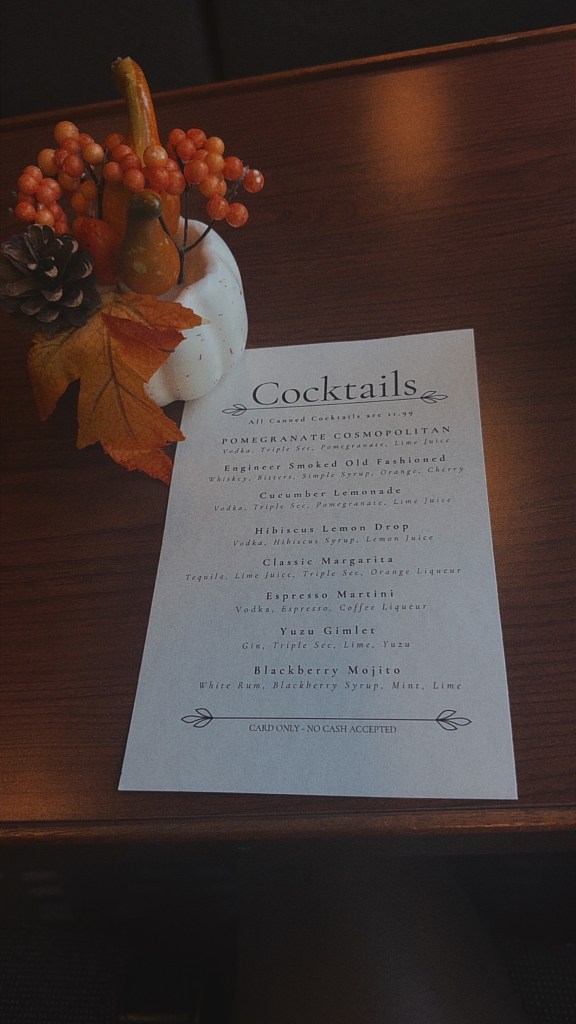
Checking into my sweet Yardley Airbnb felt like entering a cosy novel. I let the quiet sink in. Later, I made my way to Continental Tavern for dinner, where the warm lighting and murmurs of conversation made me feel both unseen and safely held. That night, I toasted myself with a glass of wine, danced barefoot in my PJs, and whispered a quiet “thank you” for the journey so far.

Alone. At peace. Grateful.


Day 2: Birthday Joy in Motion

The morning light felt like a birthday blessing. I spent time with God, then got ready for the day. I wandered through New Hope again, this time with no rush. I had wine and light bites at Nektar Wine Bar.

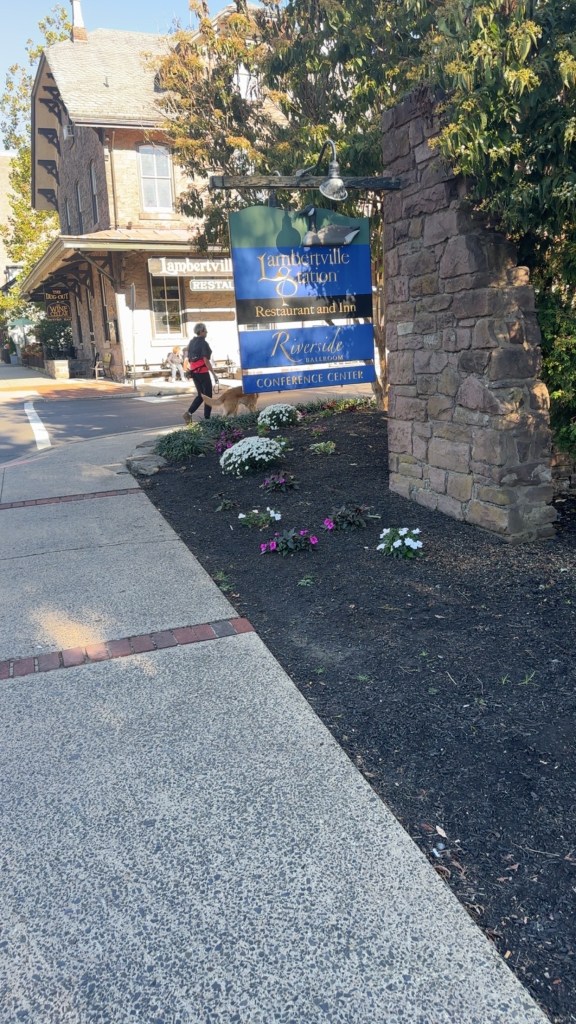
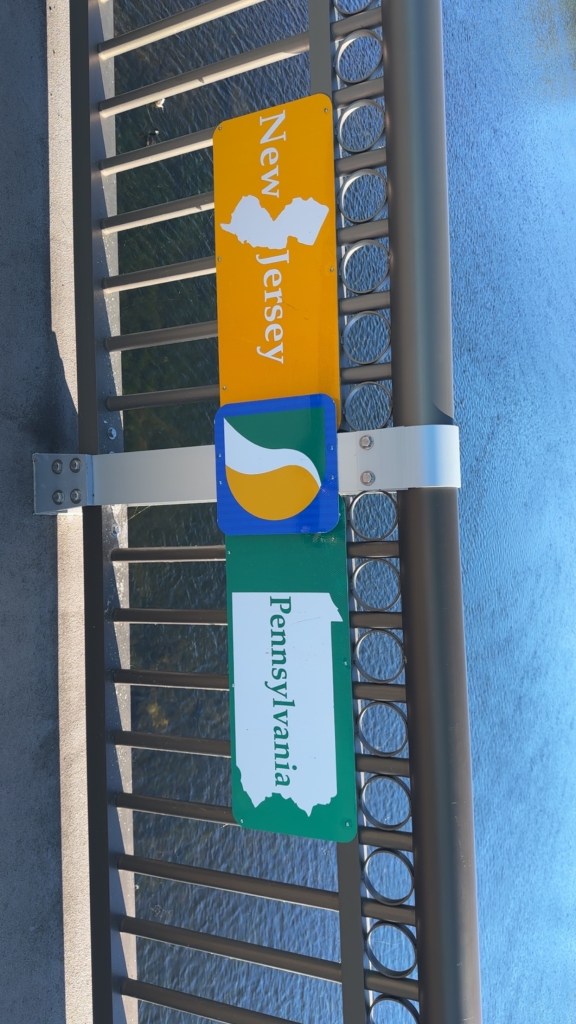
Crossing into Lambertville, I let my feet guide me. No itinerary. No pressure. I window-shopped, smiled at strangers, and admired the canal’s stillness. As the sun dipped low, I returned to Yardley for dinner at Vault Brewing. Sitting there, hearing the laughter of nearby tables, I didn’t feel alone—I felt whole. This birthday wasn’t extravagant, but it was mine. Every second of it.


Day 3: Rocks That Ring and Quiet Retreats

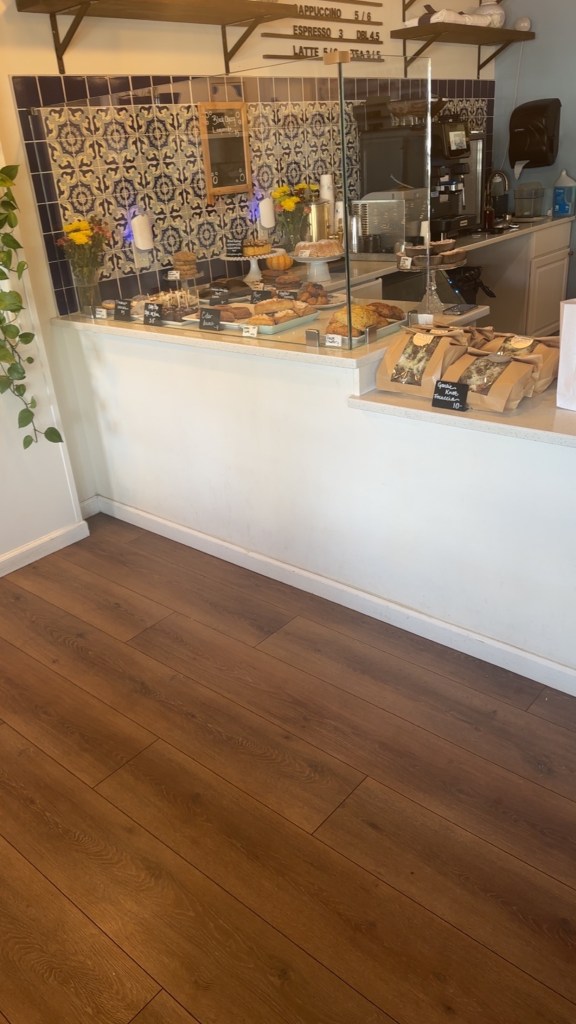
I had breakfast at Pretty Bird Café, then took a leisurely stroll around the area. I visited Panna and picked up a few sweet treats for later. Then I drove through winding roads to Upper Black Eddy and checked into my next Airbnb, a peaceful spot nestled in nature’s quiet. It felt like a transition point. The drive there was filled with reflection. It was a shift from celebration to contemplation.

Later, I drove to Ringing Rocks Park and spent the afternoon walking among boulders that literally sing when struck. Nature has its poetry, and that day, it was loud and clear.

Dinner was takeout from The Narrows. I wrapped up the evening with a movie, warm socks, and snacks. My heart felt quiet and filled.


Day 4: Riding into My Next Chapter

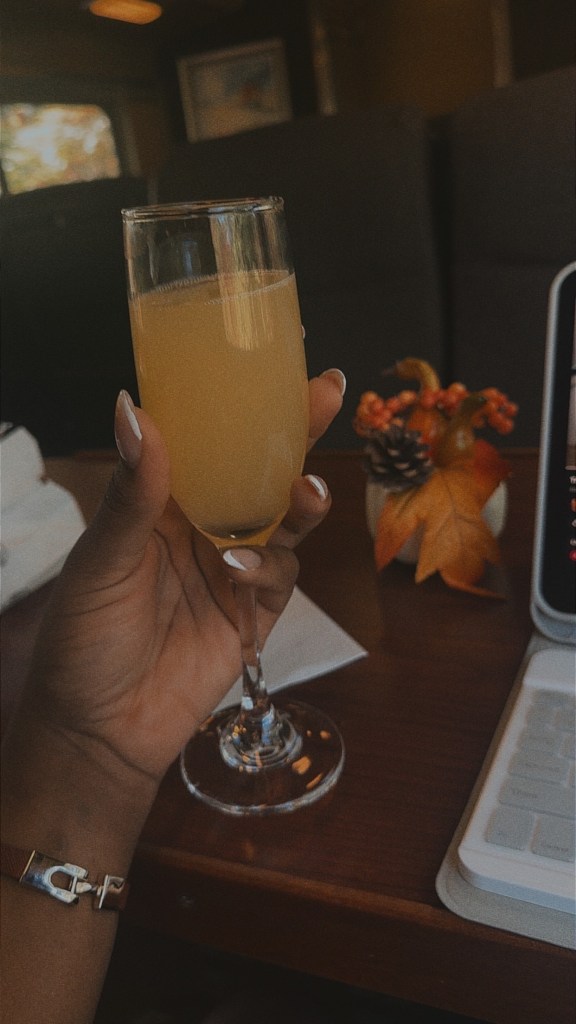
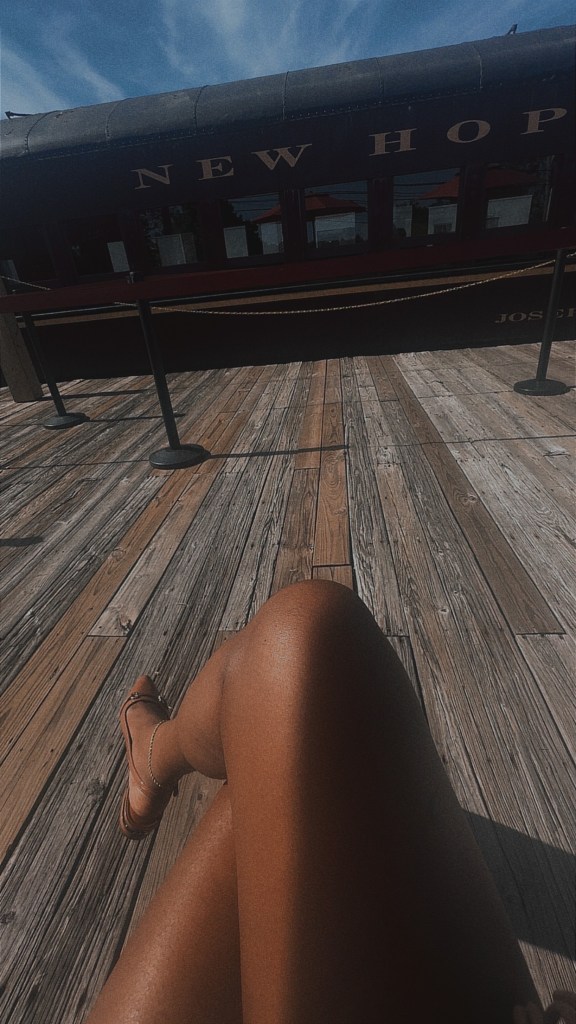
My final morning began with the New Hope Railroad. I booked a first-class ride on the Lahaska line, complete with a mimosa and warm pretzel. Riding through the fall foliage felt symbolic, like I was quietly celebrating the journey I’d taken to get here. The train creaked along slowly, and I stared out the window, tears welling in my eyes, not from sadness, but from the depth of appreciation.

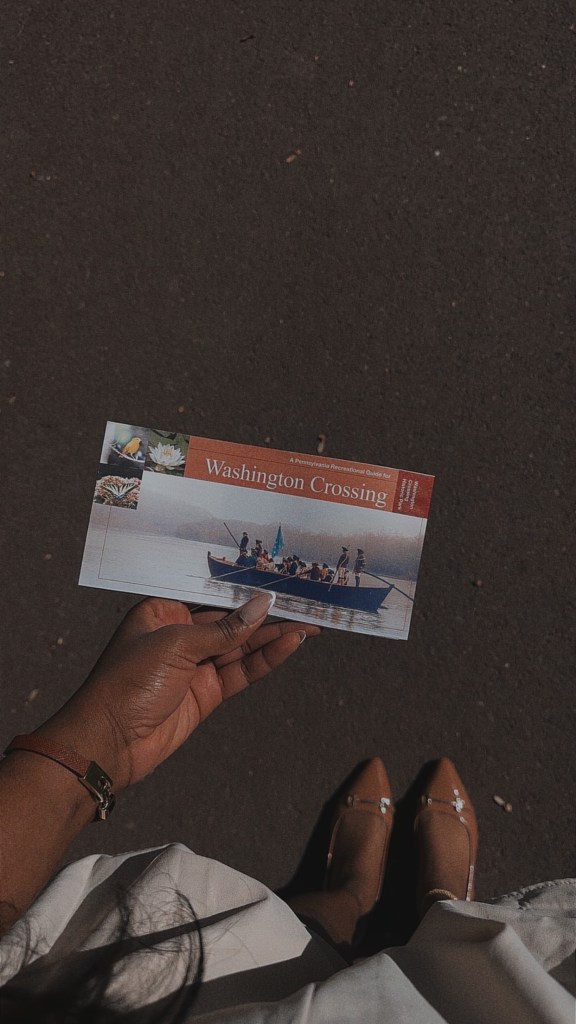
Before heading home, I stopped by Washington Crossing Historic Park to wander through the exhibits. As I made my way back home, it felt like I had gathered pieces of myself from every stop.


Closing Thoughts

There’s something powerful about choosing yourself. Something about intentionally creating space to reflect, celebrate, and reset. This solo birthday wasn’t extravagant. It was rich. Every sip of wine, every crunchy leaf underfoot, every silent moment under the sky felt like a love letter to the woman I’m becoming. This trip was more than a birthday celebration. It was a love letter to the parts of me that needed rest, recognition, and renewal. Each place I visited offered a mirror: the tower reminding me of my strength, the railroad inviting me to trust the journey, the ringing rocks reminding me that even the hard things can sing.

If you’ve never taken yourself on a solo trip, I highly recommend it. Even just a few days can change everything. You deserve to witness your own unfolding.

Question for You: Have you ever taken a solo birthday trip or retreat? What did it teach you about yourself? What would it look like to carve out space to celebrate you—on your terms?


With a grateful heart,
Abby

Understanding Love Through the Advent Season

The Advent series concludes with a reflection on love, emphasising its divine nature, exemplified by Jesus’s birth. True love is derived from God and challenges worldly definitions.

When I decided to do an Advent series, I realised it would summarise everything I had discussed since starting this blog. I won’t go in-depth to end the series because I already have a post dedicated to the last theme: love.

I went to church on Christmas day, and during his homily, the priest said something that stuck with me. I can’t recall precisely who he quoted, but he said that Jesus’s birth and life were God’s love personified. I felt such comfort after hearing it.

For God so loved the world, that he gave his only begotten Son, that whosoever believeth in him should not perish, but have everlasting life. -John 3:16

We probably all know John 3:16. It has been imprinted in my brain since childhood. Jesus’ birth fulfilled God’s promise of a Saviour. I want you to picture someone filled with so much love for you that they would give you something so precious to them for your sake. Is that not beautiful to think about? God sets the standard for what love truly is. It comes as no surprise that love is a fruit of the Spirit. In fact, these last two weeks’ themes of peace and joy are also gifts of the Spirit. God is so intentional.

We have the world’s definition of what these three things should be, but they will never come close to what God intended them to be for us. Without the knowledge of God, I can guarantee that we only grasp fleetingly what we think love, joy, and peace are.

That said, here is the love God calls us to embody.

How can you show God’s love to someone today? Let me know in the comments below.

Until next time,
Abby

Love and Faith: Why Taking Risks is Essential

Love and faith are intertwined risks that require vulnerability, yet they offer profound fulfilment. Both can lead to personal growth, deeper connections, and a meaningful life. Avoiding these risks might shield us from pain but also deprive us of joy and richness. Embracing love and faith enriches our lives despite uncertainties.

Love and faith—two of the most powerful forces in life, yet both involve stepping into the unknown. At their core, love and faith are both risks. They ask us to open our hearts, to trust in something beyond ourselves, and to give without guarantees of what we’ll receive in return. But why are love and faith so intertwined with risk, and why are they worth embracing despite the potential for disappointment?

The Risk of Love: Opening Your Heart Without Guarantees

What if the two things that could bring the most fulfilment to your life—love and faith—were also the riskiest decisions you’ll ever make?

To love someone, whether it’s a partner, friend, or family member, requires vulnerability. Love isn’t just about the romantic gestures or the warm feelings we get when things are going well. It’s about offering your heart to someone else with no certainty about how it will be treated. We’ve all heard the saying, “Love is a risk,” but what does that really mean?

When we love someone, we risk being hurt, misunderstood or let down. There’s always the chance that the love we give won’t be returned in the way we hope, or that the person we love will change or walk away, leaving us with wounds and heartache. But despite these risks, we continue to love. Why? Because love, even with all its uncertainties, brings immense beauty, joy, and connection into our lives.

The Risk of Faith: Trusting What You Cannot See

Just like love, faith requires a deep sense of trust. But while love is often directed toward other people, faith is rooted in trusting something greater than ourselves—whether it’s God, a higher purpose, or the belief that everything will work out in the end. And this, too, is a risk.

Faith asks us to believe in things we cannot see and to trust in promises that haven’t yet come to pass. It’s the risk of stepping out into the unknown, of following a path when the outcome isn’t clear. Hebrews 11:1 defines faith as “confidence in what we hope for and assurance about what we do not see.” But let’s be honest—living by faith isn’t always easy. It’s often filled with doubts, waiting, and the fear that things won’t turn out the way we planned.

Faith doesn’t come with guarantees. There are moments when you’ll wonder if your prayers are being heard and if the promises you’re holding onto will ever be fulfilled. You risk disappointment, delay, and confusion. But just as with love, the risk of faith is outweighed by the potential for transformation.

Love and Faith: Why They’re Both Worth the Risk

So, why take the risk of love and faith? Why put your heart on the line for something that might let you down? Because, despite the uncertainties, love and faith are the two wings that lift our lives, allowing us to soar above the ordinary and touch the heights of joy, connection, and purpose.

1. Love and faith are like fertile soil that grows resilience.

Love and faith are not just feelings; they are growth experiences. They stretch us beyond our comfort zones, making us stronger and more compassionate. Love, like a plant reaching for sunlight, grows through patience, kindness, and the ability to weather the sunshine and the storms. Faith, like roots pushing deep into the earth, builds a foundation of strength and resilience, especially when the winds of life are rough. In the end, we stand taller and stronger than before.

2. They create connections as rivers carve their way through valleys.

Love and faith are not just personal experiences; they are about connection. Love connects us deeply with others, forging relationships that are like rivers winding their way through valleys, nourishing the landscape of our lives. Faith connects us to God, offering peace and direction like a lighthouse guiding us home through the fog. Together, they weave bonds that sustain us through trials, bringing moments of stillness and clarity in a chaotic world.

3. They make life feel more vivid and meaningful, like stepping into full colour.

Without love and faith, life can feel like a series of greys and muted tones. Love and faith bring colour and dimension, filling life with purpose, joy, and depth. Love paints our days in vibrant hues of connection and warmth, while faith adds depth and shadows that shape our understanding of who we are and why we’re here. Together, they create a masterpiece, showing us life’s beauty in all its fullness.

By embracing the risks of love and faith, we’re invited into a richly textured and deeply felt life—a life that, despite its uncertainties, offers rewards that are well worth the journey.

The Dangers of Avoiding the Risks

Choosing not to love or not to have faith might protect us from pain in the short term, but it comes with its own consequences. When we refuse to risk love, we build walls around our hearts. We might keep the hurt out, but we also keep out the joy, fulfilment, and deep connection that love brings. Similarly, when we refuse to have faith, we limit ourselves to what we can control, missing out on the peace and possibilities that come with trusting something greater than ourselves.

It’s like living in a fortress. You’re safe from the storms but also cut off from the beauty of the world outside. Avoiding risk may keep you comfortable, but it also keeps you from fully experiencing life’s greatest blessings.

How to Embrace the Risks of Love and Faith

  • Be open to vulnerability: Loving and having faith both require vulnerability. You must be willing to open your heart, trust, and accept that you don’t have control over everything. It’s okay to feel afraid but don’t let that fear keep you from experiencing the beauty of love and faith.
  • Let go of perfection: Neither love nor faith requires perfection. You don’t have to be perfect in your relationships or in your spiritual journey. The important thing is showing up, doing your best, and allowing yourself to learn and grow along the way.
  • Lean on community: Both love and faith flourish when a supportive community surrounds us. Build relationships with people who encourage you to love deeply and live faithfully. In times of doubt, those relationships can help strengthen your resolve.
  • Trust the process: Both love and faith require patience and endurance. There will be moments when you want to give up because the journey feels too difficult or the outcome too uncertain. Trust that the process shapes you into a stronger, more compassionate person.

Conclusion: The Rewards of Risk

Love and faith are not for the faint of heart. They ask us to take chances, to trust without guarantees, and to give of ourselves even when it’s hard. But the risks are worth it. When we choose to love, we experience the fullness of human connection. When we choose to have faith, we find peace and purpose even in the face of uncertainty.

The greatest blessings in life often come when we step out of our comfort zones and embrace the unknown. So, take the risk. Love deeply. Believe fiercely. The rewards are greater than any fear that may hold you back.

Reflection Questions:

  1. In what areas do you hesitate to risk love or faith?
  2. How can you embrace vulnerability in your relationships and faith journey?
  3. What is one step you can take today to open yourself up to the risks of love or faith?

Feel free to share your thoughts in the comments below. Let’s support each other in taking these beautiful risks!

Be sure to check out Understanding Love.

Until next time,
Abby

“Only those who will risk going too far can possibly find out how far one can go.”T.S. Eliot

Why Coping Alone Doesn’t Work: The Need for Support in Healing

When life gets overwhelming, we often rely on familiar coping mechanisms to shield us from pain, but not all of them lead to healing. We aren’t meant to fight our battles alone. True healing begins when we set aside pride, reach out for support, and intentionally face our struggles.

We all have coping mechanisms that we turn to when life gets overwhelming—some healthy, like prayer or exercise, and others not so much, like isolating ourselves or numbing the pain with distractions. When things aren’t going how we want, we gravitate toward what’s familiar because it feels safe and comfortable. But here’s the hard truth: what feels familiar isn’t always best for us. While we might believe we can handle things alone, the reality is that no one is meant to walk through struggles by themselves.

Why We Turn to Unhealthy Coping Mechanisms

When we face pain or disappointment, our first instinct is often to protect ourselves. Maybe it’s turning on autopilot and staying busy to avoid thinking about what’s hurting us. Perhaps it’s shutting people out because we don’t want to feel vulnerable. We lean on these habits because they’re comfortable. They’re our defence mechanisms against feeling weak or out of control.

But succumbing to these habits can be dangerous. We end up numbing our emotions, pushing away people who want to help, and shutting off parts of ourselves that need to be heard and healed. Over time, what started as a way to cope becomes a destructive pattern that can wreak havoc on our lives.

The Danger of Isolation: Why We Can’t Do It Alone

There’s a common misconception that we can handle everything on our own, but that couldn’t be further from the truth. The Bible clearly shows us that we are not meant to be alone. In Genesis 2:18, God said, “It is not good for the man to be alone.” This statement goes beyond the context of marriage—it’s a foundational truth about human nature. We were created for connection, for community, for support.

When we try to fight our “demons” alone, we set ourselves up for failure. It’s like trying to lift a heavy weight without a spotter—it’s only a matter of time before we buckle under the pressure. This is why isolation is so dangerous. Ecclesiastes 4:9-10 reminds us, “Two are better than one… If either of them falls down, one can help the other up. But pity anyone who falls and has no one to help them up.” We weren’t designed to carry our burdens alone, and pride often stands in the way of us reaching out for help.

Pride: The Barrier to Healing

Pride keeps us from accepting help from others and traps our pain deep within.

Have you ever found yourself saying, “I don’t need anyone’s help”? I have. During tough seasons, I would put on a brave face, insisting I could handle everything. But all that did was bury my pain deeper and isolate me from people who could have helped me heal.

Pride tells us that needing support is a weakness. LIES! Reaching out for help is an act of courage, not weakness. When we allow pride to keep us from asking for support, we prolong our suffering and prevent ourselves from experiencing the healing that comes through connection.

Suppression Leads to Survival Mode

When we refuse to face our pain, we end up suppressing it—burying it deep and pretending it’s not there. But suppressed emotions don’t go away. They simmer under the surface and show up in unexpected ways, often when we least expect them. Maybe it’s snapping at a friend over something trivial or feeling overwhelmed by simple tasks. This happens when we live in “survival mode”—we’re constantly on edge, bracing for the next emotional hit because deep down, we know we haven’t dealt with what’s really happening.

Over time, suppression can lead to burnout, anxiety, and even physical symptoms. We become experts at functioning on the outside, but we’re falling apart on the inside. Psalm 34:18 reminds us, “The Lord is close to the brokenhearted and saves those who are crushed in spirit.” God doesn’t want us to suppress our pain. He invites us to bring it to Him, to let Him carry our burdens, and to lean on others who can support us.

When Unresolved Pain Spreads: Healing is Contagious, but So Is Hurt

If we don’t deal with our pain, it doesn’t just go away. It spreads into other areas of our lives. Have you ever noticed how an unresolved issue at work can affect your mood at home? Or how a difficult family relationship make you irritable and defensive in other friendships? This is because pain that isn’t addressed becomes contagious. It leaks out into our relationships, our work, and our health.

“Time heals all wounds” is a popular saying, but it’s a myth. Time alone doesn’t heal anything—intentionality does. We can’t just sit back and hope that our pain will eventually fade away. We have to be active participants in our healing. That means facing our emotions head-on and doing the hard work of processing them with the help of others.

Steps to Move Out of Isolation and into Healing

So, how do we break the cycle of isolation and face our pain with courage? Here are some practical steps to get started:

  1. Acknowledge your need for support: Admit that you can’t do this alone. This isn’t a sign of weakness; it’s a step toward healing. Take a moment to pray, asking God to guide you toward people who can support you this season.
  2. Reach out and connect: Take the first step to connect, whether it’s a friend, family member, counsellor, or support group. Ecclesiastes 4:12 reminds us, “A cord of three strands is not easily broken.” When we invite others into our healing, we become stronger.
  3. Be honest about your struggles: Vulnerability is hard but necessary. Share what you’re going through honestly, without fear of judgment. Sometimes, simply speaking our pain out loud is the first step toward freedom.
  4. Identify your unhealthy coping mechanisms: Take note of the habits you turn to when you’re stressed or hurting. Are you isolating, numbing, or suppressing? Recognize these patterns and ask yourself, “What am I trying to avoid?”
  5. Replace harmful coping mechanisms with healthy ones: Find healthier ways to process your emotions through journaling, prayer, exercise, or speaking with a trusted friend or therapist. Proverbs 27:17 says, “As iron sharpens iron, so one person sharpens another.” Let others support and guide you.

Conclusion: We Heal in Community

None of us will ever fully heal until we realize we need support. God created us for connection, community, and relationships that build us up when we struggle. We can’t keep numbing and running from our pain because, at some point, it will catch up. Healing requires facing what we’re going through head-on, and it takes intentionality on our part.

So, if you’re struggling, remember: You don’t have to fight alone. God is with you, and there are people who want to support you. Healing is not a solo journey. It’s a process we walk through together, step by step, day by day.

Reflection Questions:

  1. What unhealthy coping mechanisms do you turn to when you’re stressed or hurting?
  2. Who in your life can you reach out to for support today?
  3. How has pride kept you from seeking help in the past, and how can you overcome it moving forward?

Take the First Step

If you’ve been struggling alone, I encourage you to take that first step today. Reach out to someone you trust. Ask for prayer, share your story, or even just let them know you’re struggling. Don’t let pride keep you isolated—healing happens in community. Share your thoughts and experiences in the comments below. Let’s support one another in the journey toward wholeness.

By leaning into community and trusting God’s guidance, we can break free from isolation and step into the fullness of healing He has for us.

Until next time,
Abby