
The Power of Holiness and Gratitude

Holiness calls us to live set apart, while gratitude shifts our hearts to recognise God’s hand in every moment. Together, they transform our perspective, helping us grow closer to God and embrace His purpose for our lives—even in the unexpected.

Sometimes, the plans we make for ourselves take an unexpected turn, leading to a divine encounter we didn’t even realize we needed. That’s precisely what happened the other day when I had the opportunity to visit The Church of Jesus Christ of Latter-day Saints in Naperville, Illinois.

What began as a simple outing turned into a moment where God’s timing and purpose became undeniable. My friend and I were outside taking photos in the cold when two men approached us, offering to take a picture of us together. Afterwards, they introduced themselves as missionaries and invited us to attend their church. Without hesitation, we accepted. They prayed for us before leaving, and we parted ways with that simple commitment.

Although I’d initially planned to attend Mass at a Catholic church that Sunday, I felt an undeniable push to accept their invitation. As it turned out, their invitation aligned perfectly with God’s plan for me that day.

A Warm Welcome and a Timely Message

Sunday morning arrived, and my friend and I went to the church. We were met with warmth and hospitality from the moment we stepped through the doors. The first person we saw—a man sitting on a bench with a baby—greeted us with a genuine smile, setting the tone for the entire experience. Everyone we met was welcoming and kind, creating an atmosphere that felt like home.

The service that day was centred on hope, and while deeply moved, I’ll save that discussion for next week’s post. At the end of service, they split into groups alternating between Sunday school and men’s and women’s studies each week. That day, it just so happened to be the latter. The study that day was on two themes: holiness and gratitude. Both topics spoke deeply to my heart, reminding me of the transformative power of these virtues in our walk with God. Sitting there, I couldn’t help but feel this was exactly where I was meant to be.

Holiness: A Call to Set Apart

Holiness is often associated with being “set apart” for a divine purpose. In a world that constantly pulls us in different directions, striving for holiness means choosing to live in alignment with God’s will and allowing Him to shape our character and purpose.

The study that day emphasized that holiness isn’t about perfection but about our willingness to draw closer to God. 1 Peter 1:15-16 says, “But just as He who called you is holy, so be holy in all you do; for it is written: ‘Be holy, because I am holy.'” This scripture is a reminder that holiness begins with our daily choices— faith over fear, love over resentment, and gratitude over entitlement. An interesting question was put out for us to ponder. Is holiness a mindset or a task on a to-do list? I kept thinking that it’s both, but it requires intentionality. What was the next slide? Holiness requires intentionality. The Spirit was moving! I wanted to slap myself for not speaking up. Ha! Holiness is about setting aside time for God, seeking Him through prayer, scripture, and reflection, and allowing His presence to sanctify our lives. It’s a process, not a destination, and each step brings us closer to reflecting His image. One of the women said it’s seeing God in the most mundane tasks, such as doing laundry.

Gratitude: A Heart Aligned with God

The second theme, gratitude, is equally powerful. Gratitude is more than simply saying “thank you” for blessings; it’s a posture of the heart that recognizes God’s hand in every circumstance. Even in difficult seasons, cultivating gratitude allows us to see how God works for our good.

1 Thessalonians 5:18 reminds us, “Give thanks in all circumstances; for this is God’s will for you in Christ Jesus.” Gratitude transforms our perspective, helping us to focus on what we have rather than what we lack. It shifts our hearts from complaining to praising, from worry to trust.

During the study, I was struck by how closely linked holiness and gratitude are. Holiness calls us to align our lives with God’s will, and gratitude helps us recognize His presence at every step of that journey. Together, they create a cycle: the more grateful we are, the more we see God’s holiness at work in our lives, and the more we pursue holiness, the more we find reasons to be grateful.

God’s Plan vs. Our Own

Reflecting on that day, I can’t help but marvel at how perfectly God orchestrated everything. If I had stuck to my original plan, I would have missed out on an opportunity to experience this community and the holiness and gratitude message that resonated deeply with me. It’s a reminder that God’s plan often takes us where we least expect but always where we need to be. I spoke about it here.

We often make plans based on what feels comfortable or logical, but Proverbs 16:9 tells us, “In their hearts humans plan their course, but the Lord establishes their steps.” Trusting God’s plan requires humility and faith, often leading us to places of growth, transformation, and unexpected blessings.

Embracing Holiness and Gratitude in Everyday Life

As I left the church that day, I felt a renewed sense of purpose, inspired to carry the lessons of holiness and gratitude into my daily life. Here are a few ways we can all cultivate these virtues:

  1. Make Time for God: Dedicate daily moments to prayer, scripture reading, or simply sitting in God’s presence. Holiness starts with spending time with the One who makes us holy. Elder Wilson and Dishman, the missionaries we encountered, left us with this: CPR—Church, Praise, and Reading the Scripture.
  2. Practice Gratitude Daily: Write down three things you’re grateful for daily. This simple habit can shift your mindset and help you focus on God’s blessings, even in tough times.
  3. Live with Intention: Strive to make choices that align with God’s will. Whether it’s how you treat others, manage your time, or respond to challenges, let your actions reflect a heart set apart for Him.
  4. Look for God’s Hand in the Unexpected: Be open to divine interruptions. Sometimes, life’s detours are where God’s greatest lessons and blessings are found.

Conclusion: A Divine Encounter

That visit to the church wasn’t just about accepting an invitation; it was a reminder of how God works through others to draw us closer to Him. The themes of holiness and gratitude were precisely what I needed to hear, and they left a lasting impact on my heart.

If you feel the nudge to step out of your plans and trust God’s direction, I encourage you to follow it. You never know where He might lead you or how it could transform your perspective. Holiness and gratitude are not just virtues to aspire to—they are pathways to experiencing the fullness of God’s love and purpose.

Reflection Questions:

  1. How can you create space for holiness in your daily life?
  2. What are three things you’re grateful for today, even in challenging circumstances?
  3. Have you experienced a moment where God redirected your plans for something greater?

Call to Action:

  1. Take some time this week to reflect on areas where you can pursue holiness and gratitude.
  2. Whether you set aside time for prayer or simply thank God for the small blessings, invite Him to transform your perspective.
  3. Share your thoughts or experiences in the comments below—let’s encourage one another to walk in faith and thankfulness!

Until next time,
Abby

Understanding Guilt and Shame

Guilt and shame are distinct yet intertwined emotions that can hinder our peace. Guilt acknowledges mistakes, prompting change, while shame attacks our identity, leading to isolation. Breaking the cycle involves acknowledging feelings, seeking forgiveness, separating actions from identity, challenging shame, and embracing God’s unconditional love, leading to freedom and growth.

Guilt and shame—are two heavy emotions that can cloud our minds, paralyze our hearts, and keep us feeling disconnected from the peace and joy God intends for us. They’re often used interchangeably, but they carry distinct differences that have unique impacts on our lives. Guilt is the feeling that arises when we’ve done something wrong; it tells us, “I made a mistake.” Shame, however, goes deeper. It says, “I am the mistake.” While guilt can motivate us to seek forgiveness and make amends, shame can trap us in self-loathing and isolation.

Guilt: The Catalyst for Change

Guilt, at its core, is a natural response to wrongdoing. It’s the inner voice that alerts us when we’ve acted in a way that goes against our values, and it can be a powerful catalyst for change. When we feel guilty, we’re often moved to make amends, seek forgiveness, and strive to do better.

For instance, if you’ve hurt someone with your words, guilt is the feeling that urges you to apologize and make things right. It’s a response that can be constructive, pushing us toward growth and reconciliation. 2 Corinthians 7:10 reminds us, “Godly sorrow brings repentance that leads to salvation and leaves no regret, but worldly sorrow brings death.” Here, we see that when we experience guilt in a healthy way, it brings us closer to God and leads to positive change.

But guilt can also become a burden when it turns into something excessive or unresolved. If we constantly replay our mistakes and let guilt linger without seeking forgiveness or growth, it can start to weigh us down. In these cases, guilt no longer serves its purpose of prompting change but instead becomes a chain holding us back.

Shame: The Lie That Destroys Self-Worth

Shame goes beyond guilt. While guilt says, “I did something wrong,” shame whispers, “There’s something wrong with me.” Shame is not focused on our actions but on our identity, leading us to believe that our mistakes define us. Shame can arise from mistakes we’ve made, but it often comes from external sources—words spoken over us, criticisms, or experiences that make us feel unworthy.

“Shame derives its power from being unspeakable. That’s why it loves perfectionists—it’s so easy to keep us quiet.”Brene Brown

Shame feeds on silence and isolation, making us feel like we can’t let anyone see who we really are.

Romans 8:1 speaks directly to this, assuring us, “There is now no condemnation for those who are in Christ Jesus.” The Bible reminds us that through Christ, we are no longer condemned by our mistakes or our perceived inadequacies. Shame tries to keep us stuck, making us believe we’re unworthy of love, forgiveness, and growth. But God tells us that we are His beloved, not defined by our failures but by His grace.

The Destructive Cycle of Guilt and Shame

When left unchecked, guilt and shame can create a destructive cycle that’s hard to escape. We make a mistake and feel guilty; if we don’t address it, that guilt can evolve into shame. As shame grows, it tells us we’re unworthy of love and acceptance, which can lead to isolation. In our isolation, we’re more likely to make decisions that continue the cycle, leading to more guilt and deepening shame.

This cycle becomes a barrier to God’s love. It makes us believe we’re too flawed or broken to be redeemed. But nothing could be further from the truth. Psalm 34:18 reminds us, “The Lord is close to the brokenhearted and saves those who are crushed in spirit.” God does not distance Himself from us in our guilt and shame; instead, He draws near, ready to offer healing and restoration.

Moving from Guilt and Shame to Freedom

So, how do we break the cycle? How do we move from carrying the heavy burden of guilt and shame to experiencing the freedom that God promises?

  1. Acknowledge and Accept: The first step is to acknowledge your feelings. Trying to bury or deny guilt and shame only gives them more power. Admit your mistakes, and accept that while you may have fallen short, you are not beyond redemption.
  2. Seek Forgiveness: First start with forgiving yourself. Forgiving yourself frees you from the weight of regret and allows you to embrace positive change.1 John 1:9 says, “If we confess our sins, He is faithful and just to forgive us our sins and to cleanse us from all unrighteousness.” Guilt can only be resolved by seeking forgiveness from God and those we may have wronged. Confession is not about dwelling on our mistakes but releasing them and accepting God’s grace.
  3. Separate Identity from Actions: It’s crucial to recognize that while we may make mistakes, they do not define us. You are valuable, loved, and capable of growth.
  4. Challenge the Lies of Shame: Shame thrives on lies about our worth. Identify the negative beliefs you hold about yourself and replace them with God’s truth. Remind yourself that you are a child of God, forgiven, and worthy of love. Write down verses that reinforce your identity in Christ and revisit them whenever shame tries to creep back in.
  5. Share Your Struggles: Guilt and shame flourish in secrecy. We rob these emotions of their power when we open up to others. Find a trusted friend, family member, or spiritual mentor and share your struggles. Vulnerability breaks the isolation shame thrives on and allows for mutual support.
  6. Embrace God’s Love and Grace: Above all, accept that God’s love for you is unconditional. God’s grace covers every mistake, every regret, and every flaw. When we choose to rest in His love, we experience a freedom that lifts the burdens of guilt and shame.

Moving Forward: Embracing Freedom Over Fear

Living with guilt and shame is like walking with a heavy weight on your shoulders—it drags you down and keeps you from experiencing the fullness of life. But by confronting these feelings, seeking forgiveness, and embracing God’s grace, we begin to replace our burden with a sense of freedom.

We are all works in progress, learning to walk in the truth of who God created us to be. Romans 8:28 reminds us, “And we know that in all things God works for the good of those who love Him, who have been called according to his purpose.” Even our mistakes can be used for good when we surrender them to God. Our past does not define our future; God’s grace does.

So, when guilt tries to keep you focused on your mistakes, remember that you are forgiven. And when shame tries to make you feel unworthy, remember that you are deeply loved. Embrace the truth of God’s love, and step into the freedom that comes from knowing you are redeemed.

Reflection Questions:

  1. Are there specific areas in your life where you feel guilt or shame? How have these feelings affected your relationship with yourself, others, and God?
  2. What steps can you take to release guilt and move forward in freedom?
  3. How can you remind yourself daily of your worth in Christ, especially when feelings of shame creep in?

Call to Action: Take some time in prayer or journaling to reflect on any lingering guilt or shame in your life. Ask God to reveal the truth of His love and forgiveness, and consider sharing your journey with a trusted friend or mentor. Embracing freedom from guilt and shame is a decisive step toward a life rooted in God’s grace.

Until next time,
Abby

Understanding Love

The essence of love extends beyond feelings; it involves intentional actions rooted in selflessness and understanding. Breaking down 1 Corinthians 13 reveals true love encompasses patience, kindness, and forgiveness. Effective communication and adapting to one’s partner’s love language are vital, fostering deeper connection and ensuring both partners feel valued and fulfilled.

One of the most challenging yet transformative lessons I’ve had to learn is the true nature of love. Love isn’t just about feelings; it’s an intentional, often sacrificial act that requires a deeper understanding of ourselves and our partners. For me, breaking down 1 Corinthians 13 was the key to this realisation. I came across a sermon that left my eyes wide open. It’s linked below.

1 Corinthians 13: A Blueprint for Love in Relationships

In 1 Corinthians 13, the Apostle Paul offers a profound description of love. He writes, “Love is patient, love is kind. It does not envy, it does not boast, it is not proud.” These verses are often quoted at weddings, but they hold even more meaning when applied to the complexities of day-to-day relationships. True love isn’t just about grand gestures or romantic moments; it’s about showing patience, kindness, humility, and forgiveness when things get tough.

When we measure our relationships against these qualities, we realise how much we still have to learn. I thought I knew what love was, but I didn’t fully understand the selflessness it requires—loving someone for who they are, not just for how they make me feel.

Loving Your Partner the Way They Want to Be Loved

One of the biggest misconceptions in relationships is that love comes naturally and that we should automatically know how to love one another. While certain things like respect, kindness, and consideration are fundamental, the truth is that we’re not mind readers. What one person considers love might not align with their partner’s needs or expectations. This is why it’s crucial to love your partner how they want to be loved, not just how you prefer to show love.

This was a hard lesson for me to learn. I used to believe that my way of expressing love—through acts of service and words of affirmation—was enough. I would cook meals, offer encouraging words, and assume I was doing everything right. But I wasn’t asking my partner what they needed from me. They craved quality time and physical touch, which I often neglected because I was focused on showing love my way, not their way. We tend to assume our love language is universal, but it’s not. Love requires communication—ask your partner what makes them feel valued, seen, and cherished, and then act on that.

“Ask, and you shall receive.” This principle applies not just to prayer but also to relationships. When you express your needs clearly and ask your partner how they feel loved, you open the door to a deeper, more fulfilling connection. And when both people know better, they can do better.

Pitfalls of Miscommunication and Assumptions

Miscommunication is one of the biggest relationship pitfalls. We often make assumptions about what our partner should know or feel without ever expressing it clearly. I learned this the hard way when I felt hurt by something my partner did, yet I never told them why. I expected them to “just know” they had upset me. But when we leave our feelings unsaid, we create space for resentment to grow.

In relationships, it’s essential to avoid making assumptions. Assuming our partner can read our minds, we set ourselves up for disappointment. Likewise, thinking we know what they need without asking can lead to unmet expectations and hurt feelings. Clear communication is the foundation of love—it’s not about being right but understanding each other better.

The Importance of Communication: Learning to Love Better

I also used to believe that I was doing everything right if my intentions were good. But the truth is, we all have shortcomings in our love, and we only recognize them when we allow God to search and purify our hearts. For me, this was a turning point. When I asked God to reveal areas where I could grow, He showed me that while I wasn’t wrong in my approach, there was much more to learn. He “clocked” me, as they say!

It’s not that I didn’t know love, but I didn’t fully grasp what it truly entails—the ongoing work, the humility, the grace.

A Thin Line Between Love and Hate

When love is used as a bargaining tool, it becomes transactional, and this conditional approach can lead to deep emotional pain when the “rules” of love are broken. Love, by nature, is supposed to be a safe space where trust, vulnerability, and mutual care thrive. However, when someone uses love to manipulate or control, it creates an imbalance of power, shifting the relationship into a fragile space where affection is given and withheld as leverage. This leads directly to the concept of “a thin line between love and hate.” The shift from love to hate can be rapid when one feels betrayed or used, as the emotional investment in love is high, making any breach of trust or manipulation feel like a deep personal wound.

It hurts so much when these rules are broken because genuine love is built on trust and openness. When that foundation is shattered, the emotional fallout is a betrayal of our most intimate feelings. The line between love and hate becomes thinner when expectations aren’t met, or love is taken advantage of, turning once beautiful emotions into resentment. The hurt runs deep because, in a sense, we expect love to be unconditional, and when it’s not, it feels like a rejection of the very essence of who we are.

Be careful not to view love as a bargain. Give it freely without expecting anything in return.

Putting It Into Practice: The Journey of Loving Better

In my own life, learning this lesson wasn’t easy. I fell victim to worldly patterns—keeping score or retreating into pride. But I’ve found that when I love according to God’s standards, the peace and growth that follow are far more rewarding.

Here are some practical steps I’ve learned through my journey to love more intentionally:

  1. Ask, don’t assume. Take time to ask your partner how they feel most loved and heard. You’ll be surprised how much more connected you feel when you love them in ways that resonate with them. Example: If your partner feels loved through quality time, plan a date night where you’re fully present. Leave the phone behind, engage in meaningful conversation, and show them their time matters to you.
  2. Practice humility. Pride often blocks true intimacy. When disagreements arise, pause and ask yourself if you’re more focused on being right or loving. Example: In moments of conflict, instead of reacting immediately, take a breath and respond with empathy. Ask your partner how they feel and tell them you care about their emotions.
  3. Forgive as God forgives. Don’t keep score or hold grudges. Love doesn’t keep a record of wrongs (1 Corinthians 13:5), and neither should we. If we want to experience God’s grace in our relationships, we must extend that same grace to our partner. Example: The next time your partner makes a mistake, address the issue at hand instead of bringing up past hurts with a clean slate. Approach it from a place of love and understanding.
  4. Check in regularly. Love is not a one-time decision; it’s an ongoing commitment. Make it a habit to check in with your partner about how things are going and whether their needs are being met. Example: Set aside a weekly or monthly time to discuss your relationship. Ask open-ended questions like, “How can I support you better?” or “Is there anything we can work on together?”

The World vs. God’s Definition of Love

In today’s culture, we’re often taught to keep score, be petty, and “get even” when we feel wronged. Social media encourages the idea that relationships should be easy, and if they’re not, it’s time to move on. But God’s definition of love is radically different. In Mark 12:31, Jesus teaches us that the greatest commandment is to love—love unconditionally, love sacrificially, and love without keeping a record of wrongs.

God doesn’t hold our sins against us. When Jesus died on the cross, He paid the ransom for all our mistakes, giving us a fresh start. If God can forgive us completely, we can extend that same forgiveness and grace to those we love. This isn’t about ignoring boundaries or tolerating abuse; it’s about choosing to love with the same grace we’ve been given. Forgiveness is not just an act but a crucial element in our relationships, allowing us to love more deeply and unconditionally.

Conclusion: Learning to Love with Intention

Learning to love better is a journey, not a destination. It requires constant self-reflection, communication, and a willingness to grow. When we align our love with God’s definition—patient, kind, humble, and forgiving—we improve our relationships and experience deeper intimacy and fulfilment.

Remember these key takeaways:

  • Love your partner how they want to be loved. Ask them directly what makes them feel cherished.
  • Communicate openly. Don’t assume your partner knows what you need or how you think—express it.
  • Forgive freely. Don’t keep score; approach your partner with grace and understanding.
  • Keep learning. Relationships evolve, and so should your approach to love. It’s essential to adapt to changes in a relationship. Regularly check in with your partner to grow together. By following these principles, we can transform our relationships from transactional love to intentional love—the kind that reflects God’s grace and brings true fulfilment.

Reflection Questions

Take a few moments to reflect on your relationships:

  • What is your love language, and have you communicated it to your partner?
  • How do you show love in your relationships, and does it align with how your partner wants to be loved?
  • What assumptions have you made in the past that may have led to miscommunication? How can you address these moving forward?

Call to Action

Have you ever experienced a breakthrough in your relationship by asking your partner what they need instead of assuming? Share your story in the comments below! Let’s learn from each other and grow together in love.

Love Language Quiz

If you’re unsure of your love language, take this quick quiz to discover how you and your partner can best show and receive love. Understanding your love language can strengthen your relationship and bring joy and connection to your daily lives.

Click here to take the Love Language Quiz.

Until next time,
Abby

Make Prayer Your Daily Steering Wheel

I recently went to see The Forge and boy, was it good! The movie hit home for me in many ways, especially because it touched on much of what I’ve written about here on the blog. But there was one line that really stood out and lingered with me long after the credits rolled.

One of the characters said:

“We can’t treat prayer like some spare tire that you only pull out in an emergency. No. Prayer has to be more like the steering wheel that you hold tightly every day no matter where you’re going.”

What a powerful metaphor, right? It got me thinking about how often we’re all guilty of this—only turning to God when things go wrong when we’re desperate for a way out. But how different would our lives look if we held onto prayer like a steering wheel—something we rely on daily to guide us through every situation?

Prayer: Not a Last Resort, but a Daily Guide

We’ve all been there. A crisis hits—financial trouble, a relationship breakdown, or perhaps a health scare—and we’re praying fervently, asking God for help. In those moments of desperation, we treat prayer like a lifeline, an SOS call to heaven. And, of course, God hears us. But what happens when the storm passes? Do we keep praying? Often, we don’t.

This is where the metaphor of the steering wheel comes in. Prayer isn’t just for the tough times—it’s meant to guide us daily through calm and stormy weather. Think about how a steering wheel operates. You don’t just grab it when you’re headed for a crash; you hold it tightly the entire journey, constantly adjusting your course, even if the road seems straight. Prayer should be the same. It should guide our decisions, help us navigate life’s challenges, and even keep us grounded when everything seems to go our way.

A Personal Journey: Learning to Pray Daily

Let me share a bit of my own story here. There was a time when I only prayed during difficult moments. If things were going smoothly, I would get caught up in the busyness of life and forget to thank God for all the good in my world. It wasn’t intentional, but looking back, it’s clear that I treated prayer like that spare tyre—something I pulled out when the wheels were falling off, but not something I relied on daily.

Everything changed during a particularly challenging season. I was facing a lot of uncertainty—transitioning out of the Army, trying to figure out the next steps in my career, and dealing with personal struggles all at once. It felt like everything was unravelling, and I prayed more than I ever had. But this time, something clicked. Instead of just using prayer to ask for help, I began using it to stay connected to God.

I started praying not just for solutions but also for guidance, clarity, and even the strength to face whatever was ahead. Over time, I noticed a shift in how I approached life’s challenges. I wasn’t just waiting for things to get tough to turn to God; I was walking with Him through every step. Prayer has become my steering wheel, and life has been beautiful since, despite the challenges.

Biblical Examples: Consistency in Prayer

The Bible is filled with examples of people who used prayer as their guiding force, not just in moments of crisis but throughout their daily lives. One of the most powerful examples comes from Daniel. He prayed consistently, even when it put his life in danger. Daniel didn’t just pray when he was about to be thrown into the lion’s den—he prayed three times a day, every day (Daniel 6:10). His relationship with God wasn’t just about asking for deliverance in an emergency; it was about maintaining that connection day in and day out.

Another great example is Jesus Himself. Despite the demands of His ministry, He regularly withdrew to quiet places to pray (Luke 5:16). Even though He was the Son of God, Jesus demonstrated the importance of consistent communication with the Father. If He needed that daily connection, how much more do we?

Practical Tips: Making Prayer Your Steering Wheel

So, how do we move from treating prayer as an emergency response to making it our steering wheel? Here are a few practical tips that have helped me:

  • Set Aside Daily Time: Consistency is key. Carve out time to pray every day, whether first thing in the morning, during your lunch break, or right before bed. It doesn’t have to be a long or complicated prayer. The important thing is to make it a habit.
  • Be Honest and Authentic: Sometimes, we don’t need the “perfect” words when praying. But God wants us to be real with Him. Whether you’re feeling joyful, anxious, or frustrated, bring those feelings to Him in prayer.
  • Pray for Guidance, Not Just Solutions: It’s easy to pray when we need something, but shift your focus toward asking for guidance and wisdom. This way, you invite God to walk you through every decision, not just when you need a way out.
  • Gratitude is a Form of Prayer: Don’t forget to acknowledge God when things are going well. Thank Him for the little and big things in your life. Gratitude keeps us humble and reminds us that every good thing comes from Him (James 1:17).

Final Thoughts: Keep Holding On

It’s easy to let prayer slip into the background when life is going smoothly, but the truth is, we need it just as much during the calm as we do during the storm. Think of prayer as your steering wheel, something you hold onto no matter where life takes you. When you make that shift, you’ll find yourself more grounded, connected, and prepared for whatever comes your way.

I’d love to hear your thoughts on this! Have you ever found yourself treating prayer like a spare tyre? How do you stay consistent in your prayer life? Let’s discuss this in the comments below.

Until next time,
Abby

Breaking the Silence: My Battle with Mental Health

Trigger Warning: This post contains discussions about suicide and mental health struggles. If you or someone you know is in crisis, please reach out to a mental health professional or call a suicide prevention hotline.

Feelings of rejection can leave you questioning your worth and doubting your place in this world. In honour of Suicide Awareness Month, I want to share a part of my story—a chapter that I have kept hidden for far too long but one that I believe needs to be told.

I remember that day vividly; it wasn’t just a bad day—it felt like the culmination of rough years that seemed to stretch endlessly. On this particular day, I felt like I was carrying the world’s weight on my shoulders. The crushing feelings of loneliness, loss, rejection, and hopelessness seemed to all converge at once. I found myself lying alone in a hotel room, feeling utterly isolated. At that moment, the thought of ending my life crept in, not as a fleeting idea but as a seemingly viable solution to all the pain I was feeling. It terrified me that I was even considering it.

I’ve always had a relationship with God. He has been a source of strength for me through many trials. But during those dark years, I had unknowingly pushed Him to the back burner. I wasn’t leaning on Him or drawing from the well of faith that had sustained me before. Instead, I was consumed by my despair. In a desperate moment of clarity, I reached out—I texted two of my closest friends. Their words and love pulled me back from the edge that night, convincing me to hold on, even when I felt like letting go.

But the relief I felt was quickly replaced by a deep shame and guilt. How could I, someone who outwardly seemed so strong, ever have considered such a thing? I have struggled with this shame ever since, carrying it like an invisible scar. That day wasn’t the only time I battled with those thoughts, but it was the first time I truly understood how close I had come. And the memory of it still haunts me.

We live in a society where the ‘heavy stuff’ is often left undiscussed, swept under the rug as if ignoring it will make it disappear. In my culture, especially, conversations about mental health and suicide are almost taboo. We don’t talk about it because it makes people uncomfortable or perhaps because we’re taught to suffer in silence, to keep pushing forward without acknowledging our genuine pain.

But here’s the thing: the more we talk, the less heavy the burden becomes. By sharing our stories, we strip away the shame, stigma, and silence surrounding these struggles. We begin to see that we are not alone, that others have walked this path and survived. We start to understand that our worth is not determined by the moments when we feel broken, but by the courage, it takes to keep going, to reach out, and to heal.

The Importance of Speaking Up

According to the most recent data from the World Health Organization (2023), more than 700,000 people die by suicide every year—it’s a global crisis that knows no boundaries, affecting people of all ages, cultures, and backgrounds. In the United States alone, suicide is the 10th leading cause of death overall and the second leading cause among individuals aged 10 to 34 (National Institute of Mental Health, 2023). For every suicide, there are many more who contemplate or attempt to end their lives.

These numbers are staggering but also highlight the urgency of breaking the silence. We need to normalize conversations about mental health and create spaces where people feel safe to express their pain and seek help without judgment or fear. We must remember that reaching out for support is not a sign of weakness; it’s an act of courage.

How to Seek Help or Support Others

If you or someone you know is struggling with thoughts of suicide or severe depression, it’s essential to know that there is help available. You don’t have to face this alone.

  • Call a Suicide Prevention Hotline: In the U.S., the Suicide & Crisis Lifeline is available 24/7 at 988. You can also contact the National Suicide Prevention Lifeline at 1-800-273-TALK (8255) or chat online at suicidepreventionlifeline.org.
  • Text a Helpline: If talking feels too difficult, text “HELLO” to 741741 to connect with a trained crisis counsellor through the Crisis Text Line.
  • Reach Out to Someone You Trust: Sometimes, talking to a friend, family member, or trusted colleague can make a huge difference. If you notice signs of distress in someone else, don’t be afraid to ask how they’re doing and let them know you’re there to support them.
  • Seek Professional Help: Therapists, counsellors, and psychiatrists can provide the support and tools needed to manage feelings of depression, anxiety, or suicidal thoughts. Many communities have local mental health centres or services that offer sliding scale fees or insurance coverage.

To Anyone Who Feels This Way: You Are Not Alone

If you are struggling, please know that you are not alone. Some people care, who want to help, and who will listen without judgment. Your life is valuable and worthy of love and light, even on your darkest days.

“I am bent, but not broken. I am scarred, but not disfigured. I am sad, but not hopeless. I am tired, but not powerless. I am angry, but not bitter. I am depressed, but not giving up.” — Anonymous

Encourage Open Conversations

Let’s work together to break the silence around mental health. Start by having open, honest conversations within your circles—whether with friends, family, or colleagues. Share your stories, listen without judgment, and offer support. By doing so, we can contribute to a culture of understanding and compassion where everyone feels safe to speak up. The more we talk, the less alone we feel, and the more we heal.

Your voice matters, and your story could be the lifeline someone else needs. Your story is significant, and it deserves to be heard. Share it, and let it make a difference.

Let’s continue to speak up, share our stories, and support one another.

References:

National Institute of Mental Health. (2023). Suicide Statistics. https://www.nimh.nih.gov/health/statistics/suicide

World Health Organization. (2023). Suicide worldwide in 2023: Global Health Estimates. https://www.who.int/news-room/fact-sheets/detail/suicide

If you or someone you know is in crisis, reach out to a mental health professional, call a suicide prevention hotline, or text a friend or family member. You don’t have to face this alone.

Until next time,
Abby

Finding Purpose in Being a Beacon of Light

I always felt inherently different, like a calling woven into my being. Surrendering my pain and anger to God brought me back to who I am—a loving person made to reflect His light. Despite hardships, I refuse to be changed for the worse. I choose to forgive and be a light in the world.

I have always felt that God created me differently. We all hold that belief about ourselves, sensing something unique and extraordinary within us. But for me, it’s always felt so much more profound, almost like a calling that’s woven into the fabric of my being. I can’t fully articulate what I mean. Still, those who truly know me understand that this feeling goes beyond mere individuality—it’s an intrinsic part of my soul, something that has shaped my entire existence.

Recently, a friend asked me a question that made me reflect deeply. I answered without hesitation because I’ve become clear about who I am and what I stand for.


I do not wish harm on those who have hurt me. If we spend our lives waiting for others to suffer as we have, we only trap ourselves in an endless cycle of bitterness and pain. I’m not saying that the initial feelings of hurt and betrayal aren’t real; they are intense and, at times, all-consuming. They make us vulnerable to the devil’s whispers, tempting us to hold onto anger and seek revenge. For a while, I was lost in that darkness. I allowed those feelings to cloud my heart and mind and pull me away from the person I knew God created me to be.

But then, I chose to surrender it all to God. I laid my pain, anger, and confusion at His feet, and in return, He welcomed me back home with open arms. He reminded me of who I am—a wholesome, loving person who was made to reflect His light, not to be consumed by the shadows of this world.

I struggled with why bad things happen to good people for a long time. It’s a natural question, especially when you’ve poured kindness, grace, and love into someone only to be met with betrayal or cruelty. It’s easy to feel disillusioned, to ask, “Why me?” But I’ve realised that life isn’t always so black and white. It doesn’t matter if you’re good or bad; doing good does not make you immune to the hardships of this world. We live in a world that is broken and sinful, a world where everyone, in some way or another, will feel the sting of wrongdoing or the touch of evil. Yet, despite this reality, I refuse to let the actions of others change me for the worse. I will continue to be who I am, who God made me to be.

I will not allow what I’ve been through to harden my heart or make me cynical. Instead, I choose to keep praying for those who have hurt me. This is no easy task—it requires immense strength and humility, but I believe it is the right path. Who am I to judge, after all? I am far from perfect, and as much as I wish to think otherwise, I know I have been the antagonist in someone else’s story. I have been the villain, the one who caused pain or misunderstanding. Maybe that’s true for all of us in some way. But there is freedom in letting go, choosing peace over resentment, finding comfort in God’s love rather than human approval.

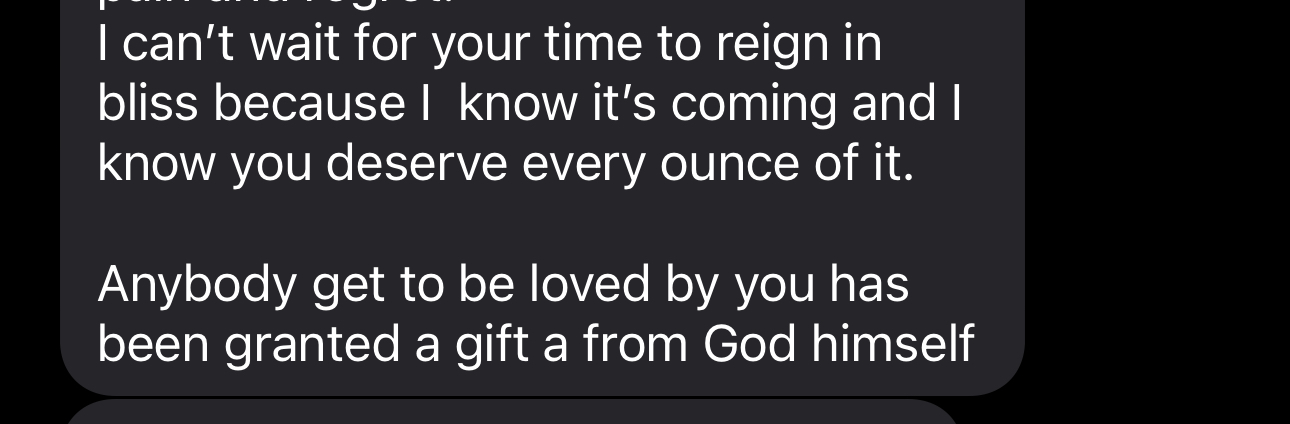
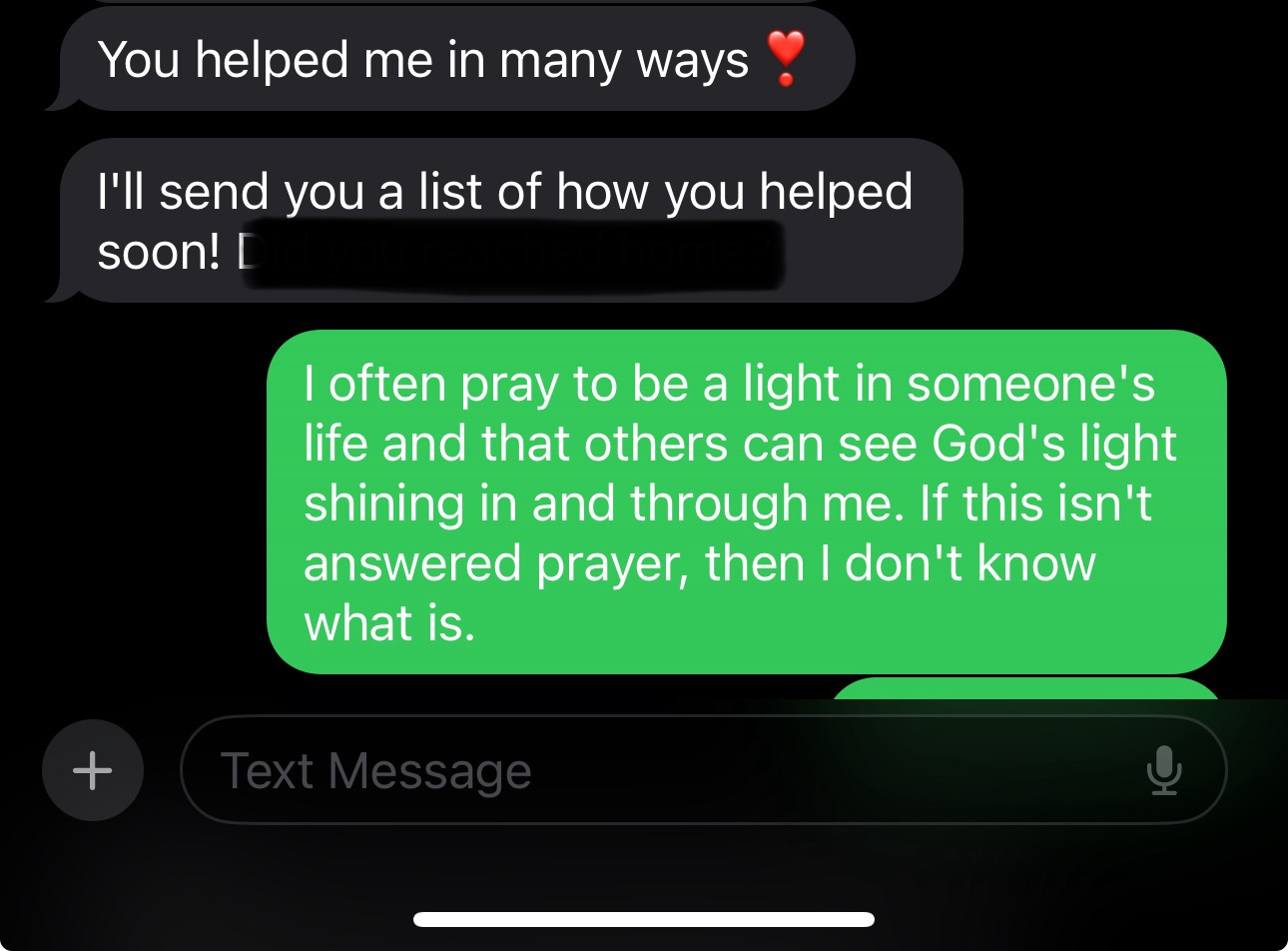
The other night, I stumbled upon a video that felt like a mirror to my soul. It explained who I am at my core in a way that resonated deeply with me. I realised that I don’t often give myself enough credit for the person I’ve become. So today, I will, not out of arrogance or pride but out of a genuine understanding and acceptance of myself and my impact on others. I frequently pray to be a light in someone’s life, to let God’s light shine through me in every encounter. Everything I do is done without ulterior motives, driven purely by the desire to reflect His love. The sincerity and purity of my heart are not of my own making but a testament to God’s work within me.

I know that embracing this truth is not about being perfect; it’s about recognising the unique role God has given me and stepping into it with confidence and humility. It’s about understanding that my journey, with all its ups and downs, has a purpose beyond what I can see. I was made to be different, love deeply, forgive freely, and be a beacon of light in a world that often feels so dark. And for that, I am deeply grateful.

So, I invite you to reflect on your journey. Is there someone you need to forgive or a part of yourself to reclaim? How can you be a light in someone else’s life today? Share your thoughts or experiences in the comments—I’d love to hear how you’re navigating these challenges uniquely.

Until next time,
Abby

https://www.tiktok.com/t/ZP8JkC4QF/

Feedback from friends.

Reflecting on the Beautiful Chaos of Parenthood

Abby’s unexpected experience with four children transformed her perspective on love and parenting, challenging her insecurities. Over time, she became fiercely protective, adapting her lifestyle and parenting approach. Their departure left a profound impact, teaching her about love’s strength and our lasting influence on each other. Abby embraces the imperfections of parenting, cherishing the memories and embracing the power of love to shape lives.

If you want to make God laugh, tell Him about your plans. I was adamant I did not want children, nor would I date someone who had any of their own. Well, for eight short months, I was partly responsible for not one but four incredible children who opened my heart’s capacity for love. God sure does have a sense of humour!

I won’t come here to sugarcoat and say it was easy because it was not. The first day I met them, I was cowering away behind a façade of indifference. Four pairs of eyes stared back at someone who would now be in control of their well-being. I, on the other hand, was petrified. I didn’t think I was up for the task; most of all, I had a strong feeling that they did not like me. My insecurities were rearing their ugly heads.

In the following months, I became fiercely protective of them, and to this day, I want and wish to save them from the people who are supposed to love them the most. They were no longer some kids-they were my kids. My entire existence changed. There was nothing I wouldn’t do for them, and I would go to hell and back for them. Their coming into my life was one of the highlights of my year, and forming an even closer relationship was the icing on top. Through them, I learnt so much about myself and what it means to be a parent. I had no idea what I was getting myself into, but I know I did a heck of a job!

My entire world revolved around them. There was no decision I made without considering them. There was no store that I walked into and left empty-handed. If I saw something that reminded me of them, I just had to get what it was. They consumed every thought, their needs, and what they would like. Through all this, I knew that I had some changes to make on my own. I didn’t have the ideal childhood, and I’m thankful for how I was raised, but I knew I had to do things differently. So, as any millennial parent, I was entertained by the gentle parenting technique. All over my social media fyps were posts about gentle parenting. I wanted to make a difference. I made sure to apologise to them when I was wrong. I corrected them. I included them, but most of all, I respected them. There were some things that I was bullheaded about, such as cleanliness. I am an “everything has its place,” and being in the military does not help. Ha!

It’s important to remember that children are humans, too. Have conversations with and include them. There is so much they learn from us. I never thought that I would be on the phone for hours talking to an eight-year-old or a thirteen-year-old. Sometimes, neither of us said anything, but we had peace of mind knowing that there was someone on the other end of the line. These shared experiences shape who we are and who we become. When they look back years from now, I hope they remember the lessons and the love and support that surrounded them. I hope they remember that their voices mattered and that they were never alone in their journey.

We talked through their problems. It wasn’t just about solving them for them but about letting them know they were heard and valued. These conversations were not always filled with words of wisdom but with moments of mutual understanding and support.

These interactions taught me the importance of being present and patient. They also taught me resilience, empathy, and the power of open communication. They told me everything! As painful as it was at times, I am thrilled I could be a source for them to confide in. I hope these lessons stay with them as they grow, reminding them that they are never alone and that someone cares deeply for them.

My time with them abruptly and unexpectedly came to an end. My world shattered, and the pain that came from losing them is inexplicable. It blows my mind when I think of parents intentionally hurting their children. I cannot fathom how anyone can look into the innocent eyes of children and take out all their frustrations on them. Yes, it sometimes gets overwhelming, but that is no excuse for mistreatment. Children are looking at what we do more so than what we say. The things we do and say shape their behaviours and development. Parenting involves selflessness. It is essential to be discerning about who to bring around your child(ren). I can’t imagine being away from my child, nor can I understand parents choosing to walk away.

No child asked for permission to be on this Earth. It is not their responsibility to be thankful and appreciative of the sacrifices we make. It may seem like a sacrifice to us, but to children and wise folks, that is simply parenting. I am no expert, but my entire perspective changed when I was with them. It’s true when they say you never really know what you have until it’s gone. I miss them a lot. I miss the chaos, and I miss the mess. Why? Because it was beautifully chaotic, and there was nowhere else, I would rather be.

In the middle of our bubble being pricked, an eight-year-old told me I was her best friend and that she wanted to follow in my footsteps. That shattered my heart into a million pieces! It also solidified what I knew to be true: I made a fantastic impact. I will always have space to carry my love for them. I am also profoundly apologetic to them for not being able to protect them and give them the life they deserved.

Thank you, God, for bringing them to me and showing me beauty in chaos. I know they will never see this post, but to the four innocent souls who opened my eyes, heart, and purse! I love you with every fibre of my being. I miss our playful banter, nicknames, enthralling conversations, and lessons where the four of you were the teacher at different times. I will always carry the memories we made with me.

Sometimes, I find myself reminiscing about the small moments that defined our time together—cooking together, putting furniture together, café dates and McDonald’s runs, laughing until our stomachs hurt, the innocent questions only children can ask, and the heartfelt conversations about their dreams and fears. These moments, though fleeting, are etched in my heart forever.

I also learnt to embrace the imperfections of parenting. There were days when I felt utterly exhausted, overwhelmed, and unsure of myself. But in those moments, I discovered the true strength of love. It’s not about having all the answers or being perfect; it’s about showing up, being present, and loving with all your heart. And that’s precisely what I did.

My journey with those four incredible children has taught me the profound impact we can have on each other’s lives. It’s a reminder that love knows no bounds and that our connections can transcend time and circumstance’s limitations.

To anyone in a similar situation, embrace the chaos, cherish the moments, and never underestimate love’s power in transforming lives.

With love,
Abby

Understanding Forgiveness: The Journey to Spiritual Renewal and Healing

Amid a difficult breakup, the writer confronts the challenge of true forgiveness. Through introspection and spiritual renewal, they realize the superficiality of their forgiveness and its impact on their relationships. Drawing from personal and religious insights, they acknowledge forgiveness as an ongoing process and share practical strategies for cultivating it.

Introspection is humbling but, at the same time, freeing.

A few months ago, I went through a breakup. I took it badly. Amid it, he told me he couldn’t forgive and forget, and I took it personally because I thought it was the opposite for me. I believed I had forgiven and forgotten. I was being a hypocrite. Using terms such as “you always” or “you never” indicates we have not forgiven. I was guilty of using these words. As much as I wanted to tell myself otherwise, how we truly feel on the inside always comes out when emotions are heightened. I had not forgiven. At least he was honest about how he felt. Kudos to him.

As I am on this journey of spiritual renewal, there are moments when I am hit by thoughts that leave me with no choice but to examine them deeply. This most recent one is forgiveness. I came across a book, “Forgiving What You Can’t Forget” by Lysa TerKeurst, and I immediately purchased it. Seeing the title instantly made me realise that I was struggling with forgiveness and that to be free from the hurt I was feeling, I needed to let go.

Before that, I thought I was leading by example and doing what God asks of us—praying for those who hurt us—and believe me, I have prayed. After realising my struggle, I asked myself, were those prayers a show, knowing that my heart harboured resentment towards that person, or were they sincere? Like I said earlier, introspection is very humbling.

One specific experience stands out. I remember an argument where my ex said something hurtful, and I retaliated by bringing up his past mistakes when I spoke about it with my friends. While I may not have said it to him specifically, it was clear then that my forgiveness was superficial. Instead of addressing the underlying hurt, I used it as ammunition. This realisation was painful but necessary for my growth.

There are many references in the Bible where God tells us to forgive. After all, the most outstanding example of forgiveness was God sending Jesus to die for our sins. How can I, a mere human, refuse to forgive those around me? Who am I to judge? I know how much it hurts, but when we hold on to feelings of betrayal, anger, hurt, pride, and defeat, they only fuel the fire of unforgiveness.

I have learned that forgiveness is a process. It’s ongoing. It’s intentional. It’s easy to say we forgive, but the key is doing the work afterwards and knowing how to navigate the emotions that arise when we are triggered positively. It’s knowing how not to secretly want the other person to hurt in the way that they hurt you. It’s knowing what it means to let go genuinely. That, my friends, is what it means to be intentional. I won’t lie. It’s hard. However, our wounds never heal when we hold on to all the negative feelings. Whenever a memory surfaces, and we view it from an earthly perspective, we inflict more damage on that wound, and it never heals.

“But if you do not forgive others their trespasses, neither will your Father forgive your trespasses.” Matthew 6:15. There are so many times I have asked for our Father’s forgiveness, knowing that I have unforgiveness in my heart. Abby, be so for real!

I also realised that my inability to forgive had caused other relationships to fall apart. I said I forgave, but at the slightest inconvenience, I either threw it back in their faces or took it out on them in some other way. For instance, I often withdraw or become passive-aggressive with friends when old wounds are unintentionally reopened.

Here are a few practical strategies that have helped me cultivate forgiveness in my daily life:

  1. Prayer and Meditation: These practices help center my thoughts and remind me of the bigger picture. They connect me with peace and purpose beyond my immediate emotions.
  2. Mindfulness: Staying present helps me avoid ruminating on past hurts. It keeps me focused on the here and now, where I have the power to change my responses. When memories of betrayal overwhelm me, I take time to pray and meditate, which helps me bring about a feeling of calmness to see the situation with compassion rather than anger.
  3. Seeking Counsel: Talking to a trusted friend or therapist can provide new perspectives and help me navigate complex emotions.
  4. Practising Empathy: Seeing the situation from the other person’s perspective can soften my heart and open the door to forgiveness.

In addition to the Bible, various other traditions offer valuable insights on forgiveness. For example, Buddhist teachings emphasise releasing attachment to anger and resentment. They advocate for compassion towards oneself and others, recognising that everyone is on a path of growth and learning. Similarly, many Indigenous cultures view forgiveness as a communal act essential for restoring harmony and balance within the community.

Forgiveness is not about condoning hurtful actions but about freeing ourselves from the chains of resentment. It’s about healing and moving forward with a lighter heart. As I continue this journey, I strive to embrace forgiveness as a concept and a daily practice, one step at a time.

Until next time,
Abby

Finding True Happiness and Healing Through the Lord

A personal journey of pain and faith, seeking solace in God and finding strength in a supportive community.

This is the second consecutive week I’ve felt compelled to write and post spontaneously, diverging from my prewritten and scheduled posts. This is a sign that the Lord is speaking to and guiding me. Once again, I heard a song that deeply moved me, resonating with my current state of mind and heart.

Last week was particularly challenging—not just a tough day, but a series of difficult days. I found myself crying at the most unexpected times. I’ve been pouring out my heart to God, telling Him how much it hurts. While I can try to pretend that I’m okay, the truth is that the pain is overwhelming. It hurts so deeply. There were moments when I felt hopeless, focusing only on the one thing that went wrong, overshadowing all the other areas where I was thriving. It’s difficult to celebrate my accomplishments when the pain seems all-consuming.

The Trap of Temporary Relief

Pain has a way of pulling us in, making it easy to give in to it or seek temporary relief. We might turn to alcohol, drugs, sex, or meaningless relationships, convincing ourselves that these will provide us with happiness and renewal. While these might offer fleeting comfort, they are not lasting solutions. True happiness, joy, and peace come from the Lord and are found within ourselves through Him.

Finding Strength in Faith

Lyrics from “Lead Me On” by Chandler Moore:

“I don’t know what season you’re in right now
I don’t know what giant you’re looking right now
But just let Him lead you on
Know it looks hard, I know it looks hard
Know it’s uncomfortable
But You can trust Him, just let Him lead you on
I didn’t know where else to go
I tried so many other options
But I’m left with Him, really walking by faith now”

These lyrics perfectly capture what I’m experiencing. It’s hard, and the temptation to let go and follow my path is strong. However, Ecclesiastes 3 reminds us that there is a time for everything. Rushing or skipping crucial parts of my healing process would only do me a disservice. So, I will cry as much as I need to because I trust that when the time is right, the Lord will fulfil His promises, just as He said.

Personal Insights and Practical Tips

  1. Surrounding Myself with a Supportive Community: Leaning on a faith community has been crucial. Sharing my struggles with trusted friends and mentors allows me to receive their prayers, encouragement, and wisdom. Remembering that we don’t have to endure tough times alone is essential.
  2. Meditative Prayer and Worship: I spend time in meditative prayer and worship, focusing on God’s presence and letting His peace wash over me. Worship songs like “Lead Me On” become prayers that soothe my soul and remind me of His constant presence.
  3. Journaling My Prayers: I will incorporate journaling into my days. Writing down my thoughts and feelings may help me process my emotions and bring me closer to God. It will also remind me of His faithfulness when I look back and see how He has answered my prayers over time.

Embracing the Healing Process

There’s something humbling about admitting our struggles and turning to God in our darkest hours. In these times of desperation and raw honesty, we often find our most significant growth and transformation. The tears, the cries, and the feelings of brokenness are not signs of weakness but rather steps in the healing process that God is orchestrating in our lives. Each tear shed is a prayer, each cry a call for divine intervention, and each moment of pain an opportunity for God to demonstrate His boundless love and grace.

Moving Forward with Faith

It’s easy to fall into the trap of comparing our pain to our achievements, wondering why we can’t seem to find joy in our successes. But God’s plan for us often involves walking through the valleys to appreciate the mountaintops fully. Many significant figures, from David to Job, experienced immense suffering in the Bible before finding redemption and fulfilment. Their stories remind us that our journeys, with all their ups and downs, are part of a larger narrative that God is writing.

The world offers many distractions and temporary fixes, but they are just that—temporary. True, lasting fulfilment comes from a deep, abiding relationship with God. He is the source of our strength, the anchor in our storms, and the healer of our hearts. When we seek Him earnestly, we find a peace that surpasses all understanding, a joy that endures even in the face of adversity.

As I reflect on these truths, I’m reminded of Isaiah 40:31: “But those who hope in the Lord will renew their strength. They will soar on wings like eagles; they will run and not grow weary, they will walk and not be faint.” This promise is a beacon of hope, a reminder that our struggles are temporary and that with God, we will emerge stronger and more resilient.

So, to anyone reading this who is also going through a tough time, know that you are not alone. Trust in God’s timing and His plan for your life. Allow yourself to grieve, to cry, and to heal. And remember, when the time is right, the Lord will bring you out of the valley and into the light, just as He has promised.

Let us continue to walk by faith, leaning on His understanding and not our own. Let us allow His love to fill the cracks in our hearts and His peace to calm the storms in our minds. Together, we can find the strength to keep moving forward, knowing that God is with us every step of the way.

Until next time,
Abby

Embracing Self-Worth: A Guide for Women in Relationships

You are never too much and should never apologise for your ambitions, emotions, or standards. Hold on to your worth, and never lower your standards for anyone. Embrace your journey to self-love and acceptance, and know that the right person will see your worth and love you unconditionally. Keep believing in yourself.

You are never too much. Let me say that again. You are never too much. First, I want to start by saying I’m sorry. I’m sorry if someone made you feel less than, undeserving, worthless, or useless. I am sorry.

You were never and will ever be those things. It’s the person who made you feel all these things and left you questioning your sanity that was not enough. We all have standards for a reason. However far out of the park they are, we have them for a reason, and we should hold on dearly to them, especially if they are uncompromisable. There is always some truth to cliches. Do with them as you will. Never lower your standards for anyone.

The day you do so is the day you start losing yourself. I think we as women believe that when we have a lot going on for ourselves, are educated and beautiful, and have our heads screwed on tightly to our bodies that it will be hard to form relationships. Romantic ones, especially. I am here to tell you, sister, you’re mistaken. There is someone out there for whom you were made perfectly. Someone who will complement you and make the perfect companion. Just as God created Eve from Adam’s spare rib, so, too, did He create the person just for you.

As women, we pour so much of ourselves into relationships. When our cups run empty, it is so easy for men to move on to the next. We are then left shattered, lost and hurt. We anguish about the times wasted, knowing that when we first had that inclination to leave, we should have. Those are times that we will never get back. Don’t get me wrong, there is no problem with falling in love with potential. However, for potential to be fruitful, the other individual must be willing to change. They must be willing to learn and grow. If not, falling in love with the supposed potential we see will lead to nothing but failure.

You were probably told your ambitions were too big, your emotions too intense, and your standards too high. Never apologise for wanting more out of life, for expecting honesty and respect. It took a long time, but I eventually realised the problem was not with me. I was never too much. I was just right; the person I was with wasn’t enough to appreciate that. I am the prize, and you are, too.

It’s important to note, though, that your time was never wasted. You gave wholly of yourself because of the goodness of your heart. That is something they will never be able to take from you. As hard as it may seem at the moment to believe it, you are, without a doubt, wholeheartedly deserving of everything good that life has to offer. You will get it. The Lord will turn your pain into joy. The tears you cry today are watering the fruits you will bloom tomorrow.

Think of the lessons learnt, and the strength gained. Reflect on how you grew through the pain and what you discovered about your resilience. Every tear, every sleepless night, and every moment of doubt shapes you into a stronger, more empathetic, and wiser person. These experiences will make the right person value and cherish you for all you are.

Remember, you are never too much for the right person. The right person will see your worth, embrace your complexity, and love you unconditionally. They will support your dreams, respect your boundaries, and walk you through life’s challenges. They won’t make you feel you must diminish yourself to fit into their life. Instead, they will make you feel like you are more than enough, just as you are.

So, hold your head high and keep your standards firm. Trust that the right person will come into your life at the right time. And in the meantime, continue to love yourself fiercely, chase your dreams passionately, and never settle for anything less than you deserve. Also, realise that it’s okay for you to feel defeated. Allow yourself to feel the emotions. Do not suppress them. Let them out. Your story is far from over, and the best chapters are yet to come.

Your journey to self-love and acceptance is ongoing. Embrace it, learn from it, and let it guide you to the beautiful future that awaits you. You are strong, you are worthy, and you are never too much. Keep believing in yourself, and the right person will believe in you, too.

Chin up, sister.
Abby