
Finding Purpose in Being a Beacon of Light

I always felt inherently different, like a calling woven into my being. Surrendering my pain and anger to God brought me back to who I am—a loving person made to reflect His light. Despite hardships, I refuse to be changed for the worse. I choose to forgive and be a light in the world.

I have always felt that God created me differently. We all hold that belief about ourselves, sensing something unique and extraordinary within us. But for me, it’s always felt so much more profound, almost like a calling that’s woven into the fabric of my being. I can’t fully articulate what I mean. Still, those who truly know me understand that this feeling goes beyond mere individuality—it’s an intrinsic part of my soul, something that has shaped my entire existence.

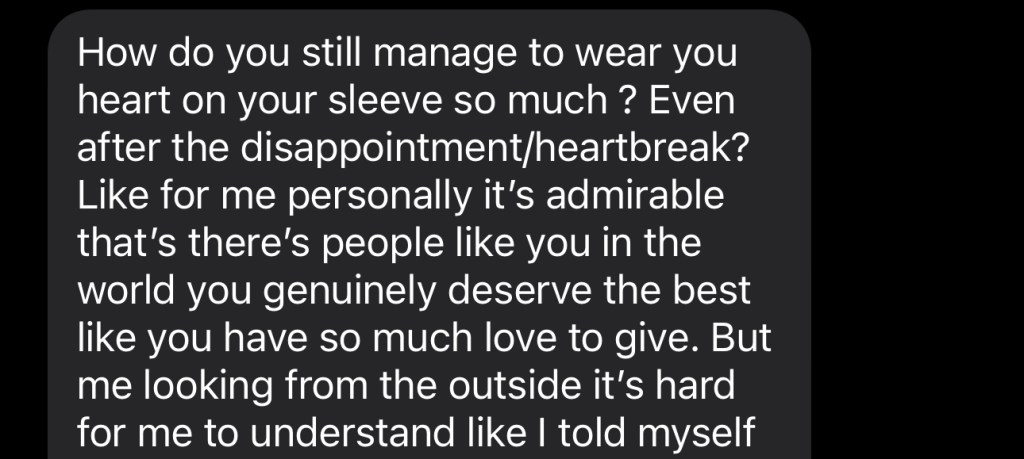
Recently, a friend asked me a question that made me reflect deeply. I answered without hesitation because I’ve become clear about who I am and what I stand for.

I do not wish harm on those who have hurt me. If we spend our lives waiting for others to suffer as we have, we only trap ourselves in an endless cycle of bitterness and pain. I’m not saying that the initial feelings of hurt and betrayal aren’t real; they are intense and, at times, all-consuming. They make us vulnerable to the devil’s whispers, tempting us to hold onto anger and seek revenge. For a while, I was lost in that darkness. I allowed those feelings to cloud my heart and mind and pull me away from the person I knew God created me to be.

But then, I chose to surrender it all to God. I laid my pain, anger, and confusion at His feet, and in return, He welcomed me back home with open arms. He reminded me of who I am—a wholesome, loving person who was made to reflect His light, not to be consumed by the shadows of this world.

I struggled with why bad things happen to good people for a long time. It’s a natural question, especially when you’ve poured kindness, grace, and love into someone only to be met with betrayal or cruelty. It’s easy to feel disillusioned, to ask, “Why me?” But I’ve realised that life isn’t always so black and white. It doesn’t matter if you’re good or bad; doing good does not make you immune to the hardships of this world. We live in a world that is broken and sinful, a world where everyone, in some way or another, will feel the sting of wrongdoing or the touch of evil. Yet, despite this reality, I refuse to let the actions of others change me for the worse. I will continue to be who I am, who God made me to be.

I will not allow what I’ve been through to harden my heart or make me cynical. Instead, I choose to keep praying for those who have hurt me. This is no easy task—it requires immense strength and humility, but I believe it is the right path. Who am I to judge, after all? I am far from perfect, and as much as I wish to think otherwise, I know I have been the antagonist in someone else’s story. I have been the villain, the one who caused pain or misunderstanding. Maybe that’s true for all of us in some way. But there is freedom in letting go, choosing peace over resentment, finding comfort in God’s love rather than human approval.

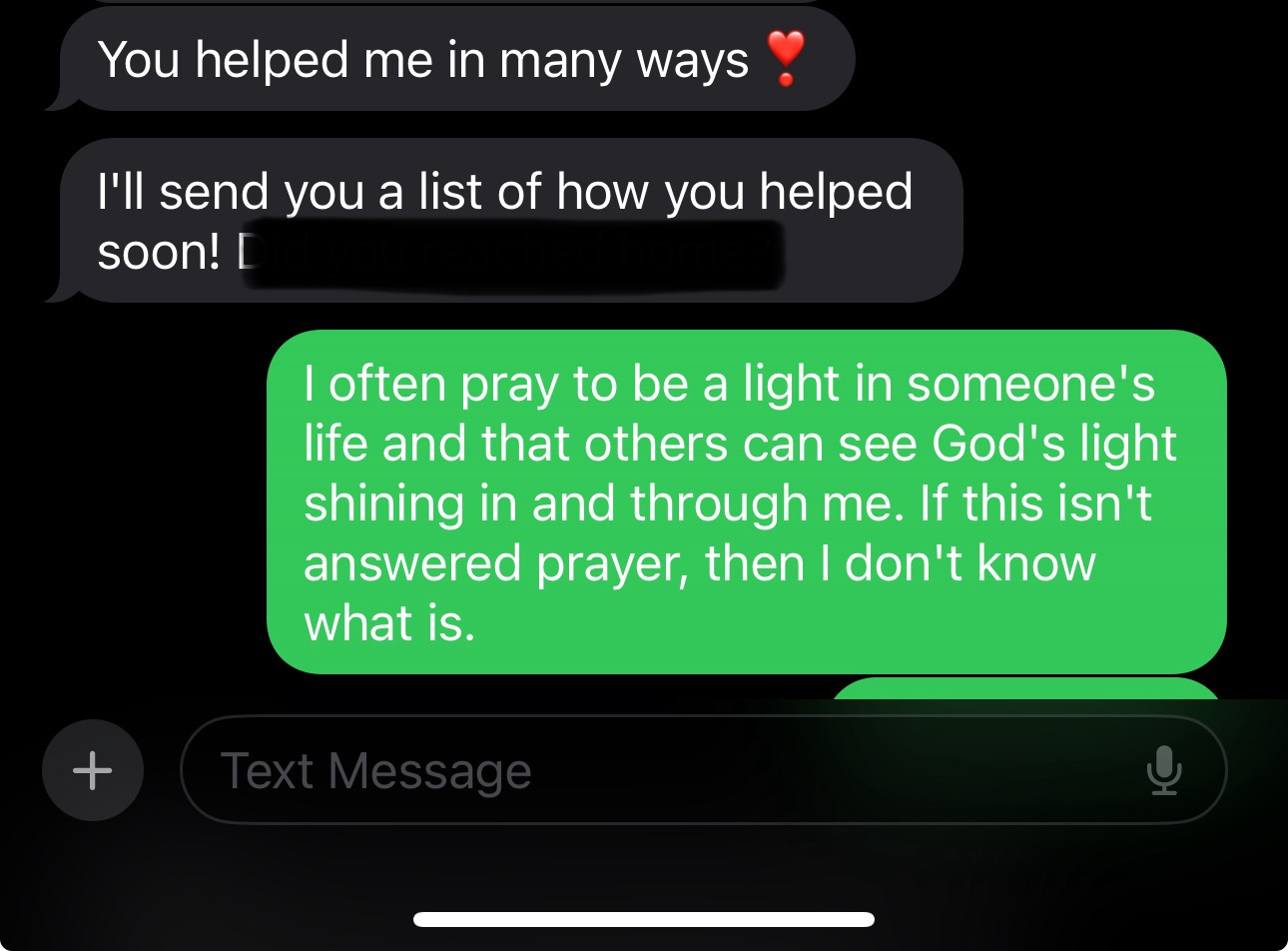
The other night, I stumbled upon a video that felt like a mirror to my soul. It explained who I am at my core in a way that resonated deeply with me. I realised that I don’t often give myself enough credit for the person I’ve become. So today, I will, not out of arrogance or pride but out of a genuine understanding and acceptance of myself and my impact on others. I frequently pray to be a light in someone’s life, to let God’s light shine through me in every encounter. Everything I do is done without ulterior motives, driven purely by the desire to reflect His love. The sincerity and purity of my heart are not of my own making but a testament to God’s work within me.

I know that embracing this truth is not about being perfect; it’s about recognising the unique role God has given me and stepping into it with confidence and humility. It’s about understanding that my journey, with all its ups and downs, has a purpose beyond what I can see. I was made to be different, love deeply, forgive freely, and be a beacon of light in a world that often feels so dark. And for that, I am deeply grateful.

So, I invite you to reflect on your journey. Is there someone you need to forgive or a part of yourself to reclaim? How can you be a light in someone else’s life today? Share your thoughts or experiences in the comments—I’d love to hear how you’re navigating these challenges uniquely.

Until next time,
Abby

https://www.tiktok.com/t/ZP8JkC4QF/

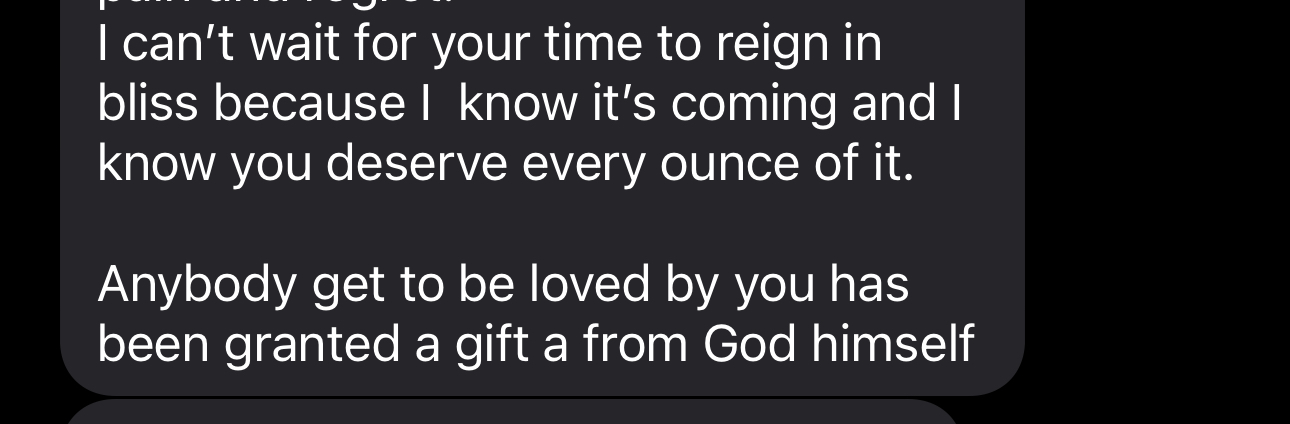
Feedback from friends.
Understanding Forgiveness: The Journey to Spiritual Renewal and Healing

Amid a difficult breakup, the writer confronts the challenge of true forgiveness. Through introspection and spiritual renewal, they realize the superficiality of their forgiveness and its impact on their relationships. Drawing from personal and religious insights, they acknowledge forgiveness as an ongoing process and share practical strategies for cultivating it.

Introspection is humbling but, at the same time, freeing.

A few months ago, I went through a breakup. I took it badly. Amid it, he told me he couldn’t forgive and forget, and I took it personally because I thought it was the opposite for me. I believed I had forgiven and forgotten. I was being a hypocrite. Using terms such as “you always” or “you never” indicates we have not forgiven. I was guilty of using these words. As much as I wanted to tell myself otherwise, how we truly feel on the inside always comes out when emotions are heightened. I had not forgiven. At least he was honest about how he felt. Kudos to him.

As I am on this journey of spiritual renewal, there are moments when I am hit by thoughts that leave me with no choice but to examine them deeply. This most recent one is forgiveness. I came across a book, “Forgiving What You Can’t Forget” by Lysa TerKeurst, and I immediately purchased it. Seeing the title instantly made me realise that I was struggling with forgiveness and that to be free from the hurt I was feeling, I needed to let go.

Before that, I thought I was leading by example and doing what God asks of us—praying for those who hurt us—and believe me, I have prayed. After realising my struggle, I asked myself, were those prayers a show, knowing that my heart harboured resentment towards that person, or were they sincere? Like I said earlier, introspection is very humbling.

One specific experience stands out. I remember an argument where my ex said something hurtful, and I retaliated by bringing up his past mistakes when I spoke about it with my friends. While I may not have said it to him specifically, it was clear then that my forgiveness was superficial. Instead of addressing the underlying hurt, I used it as ammunition. This realisation was painful but necessary for my growth.

There are many references in the Bible where God tells us to forgive. After all, the most outstanding example of forgiveness was God sending Jesus to die for our sins. How can I, a mere human, refuse to forgive those around me? Who am I to judge? I know how much it hurts, but when we hold on to feelings of betrayal, anger, hurt, pride, and defeat, they only fuel the fire of unforgiveness.

I have learned that forgiveness is a process. It’s ongoing. It’s intentional. It’s easy to say we forgive, but the key is doing the work afterwards and knowing how to navigate the emotions that arise when we are triggered positively. It’s knowing how not to secretly want the other person to hurt in the way that they hurt you. It’s knowing what it means to let go genuinely. That, my friends, is what it means to be intentional. I won’t lie. It’s hard. However, our wounds never heal when we hold on to all the negative feelings. Whenever a memory surfaces, and we view it from an earthly perspective, we inflict more damage on that wound, and it never heals.

“But if you do not forgive others their trespasses, neither will your Father forgive your trespasses.” Matthew 6:15. There are so many times I have asked for our Father’s forgiveness, knowing that I have unforgiveness in my heart. Abby, be so for real!

I also realised that my inability to forgive had caused other relationships to fall apart. I said I forgave, but at the slightest inconvenience, I either threw it back in their faces or took it out on them in some other way. For instance, I often withdraw or become passive-aggressive with friends when old wounds are unintentionally reopened.

Here are a few practical strategies that have helped me cultivate forgiveness in my daily life:

  1. Prayer and Meditation: These practices help center my thoughts and remind me of the bigger picture. They connect me with peace and purpose beyond my immediate emotions.
  2. Mindfulness: Staying present helps me avoid ruminating on past hurts. It keeps me focused on the here and now, where I have the power to change my responses. When memories of betrayal overwhelm me, I take time to pray and meditate, which helps me bring about a feeling of calmness to see the situation with compassion rather than anger.
  3. Seeking Counsel: Talking to a trusted friend or therapist can provide new perspectives and help me navigate complex emotions.
  4. Practising Empathy: Seeing the situation from the other person’s perspective can soften my heart and open the door to forgiveness.

In addition to the Bible, various other traditions offer valuable insights on forgiveness. For example, Buddhist teachings emphasise releasing attachment to anger and resentment. They advocate for compassion towards oneself and others, recognising that everyone is on a path of growth and learning. Similarly, many Indigenous cultures view forgiveness as a communal act essential for restoring harmony and balance within the community.

Forgiveness is not about condoning hurtful actions but about freeing ourselves from the chains of resentment. It’s about healing and moving forward with a lighter heart. As I continue this journey, I strive to embrace forgiveness as a concept and a daily practice, one step at a time.

Until next time,
Abby