I didn’t need a party, a cake, or a crowd to feel celebrated this year. What I needed—what I gave myself—was space. Space to breathe, to wander, to listen to the rhythm of my own heart without interruption. From the quiet of Bowman’s Tower to the echoing songs of Ringing Rocks, every step of my solo birthday escape whispered, ‘You are becoming. And that is worth honouring.’
I never imagined I’d spend my birthday completely alone, not in the sad, lonely way, but in the free, expansive, soul-hugging way that only solitude can offer. This year, I gave myself a gift: time, quiet, and beauty. Just me, the golden leaves of early October, and a heart wide open.
Day 1: Stepping Into Stillness
I arrived in New Hope just after noon, the sleepy streets lined with changing leaves and cosy shops. My first stop was Bowman’s Hill Tower. The elevator was out of service, but I surprised myself by climbing all the stairs to the top. At the summit, I stood in awe. The view stretched endlessly. I felt the weight of my own growth. The kind you don’t always notice until you’re standing still, high above the chaos of everyday life. I stood there, breathless and smiling, soaking in a panoramic view that made the climb (and the year leading up to this moment) worth it.
Checking into my sweet Yardley Airbnb felt like entering a cosy novel. I let the quiet sink in. Later, I made my way to Continental Tavern for dinner, where the warm lighting and murmurs of conversation made me feel both unseen and safely held. That night, I toasted myself with a glass of wine, danced barefoot in my PJs, and whispered a quiet “thank you” for the journey so far.
Alone. At peace. Grateful.
Day 2: Birthday Joy in Motion
The morning light felt like a birthday blessing. I spent time with God, then got ready for the day. I wandered through New Hope again, this time with no rush. I had wine and light bites at Nektar Wine Bar.
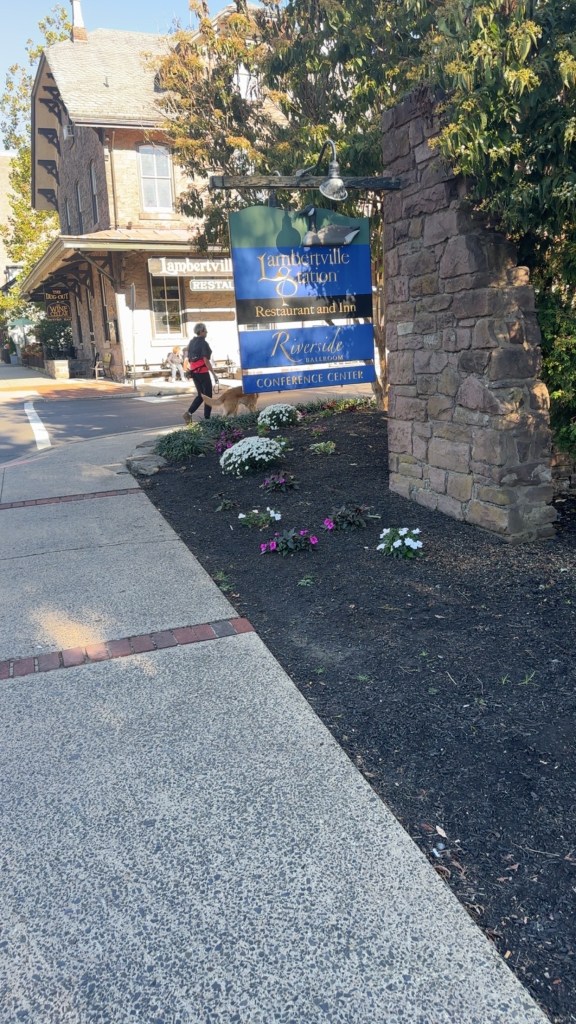
Crossing into Lambertville, I let my feet guide me. No itinerary. No pressure. I window-shopped, smiled at strangers, and admired the canal’s stillness. As the sun dipped low, I returned to Yardley for dinner at Vault Brewing. Sitting there, hearing the laughter of nearby tables, I didn’t feel alone—I felt whole. This birthday wasn’t extravagant, but it was mine. Every second of it.
Day 3: Rocks That Ring and Quiet Retreats
I had breakfast at Pretty Bird Café, then took a leisurely stroll around the area. I visited Panna and picked up a few sweet treats for later. Then I drove through winding roads to Upper Black Eddy and checked into my next Airbnb, a peaceful spot nestled in nature’s quiet. It felt like a transition point. The drive there was filled with reflection. It was a shift from celebration to contemplation.
Later, I drove to Ringing Rocks Park and spent the afternoon walking among boulders that literally sing when struck. Nature has its poetry, and that day, it was loud and clear.
Dinner was takeout from The Narrows. I wrapped up the evening with a movie, warm socks, and snacks. My heart felt quiet and filled.
Day 4: Riding into My Next Chapter
My final morning began with the New Hope Railroad. I booked a first-class ride on the Lahaska line, complete with a mimosa and warm pretzel. Riding through the fall foliage felt symbolic, like I was quietly celebrating the journey I’d taken to get here. The train creaked along slowly, and I stared out the window, tears welling in my eyes, not from sadness, but from the depth of appreciation.
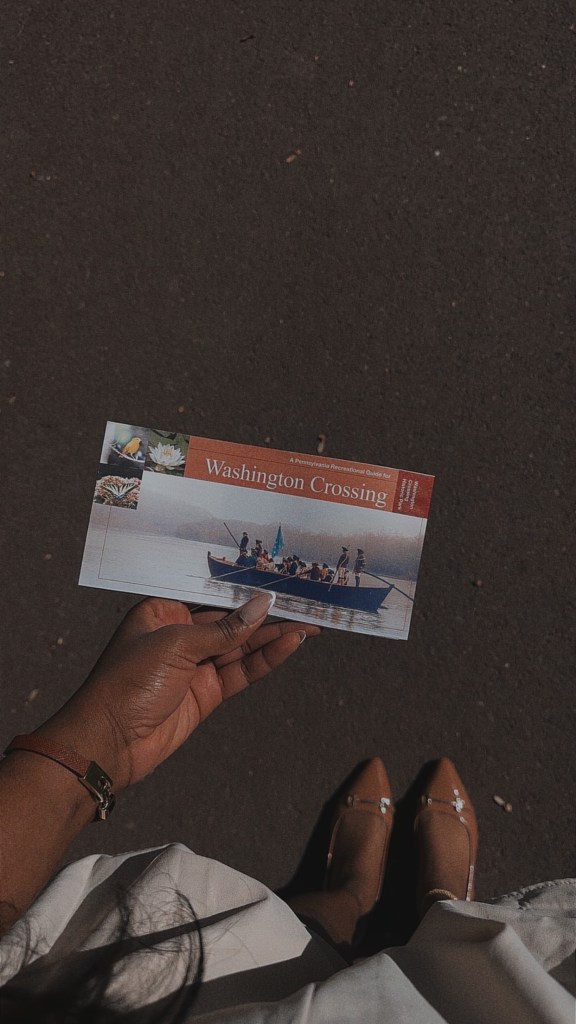
Before heading home, I stopped by Washington Crossing Historic Park to wander through the exhibits. As I made my way back home, it felt like I had gathered pieces of myself from every stop.
Closing Thoughts
There’s something powerful about choosing yourself. Something about intentionally creating space to reflect, celebrate, and reset. This solo birthday wasn’t extravagant. It was rich. Every sip of wine, every crunchy leaf underfoot, every silent moment under the sky felt like a love letter to the woman I’m becoming. This trip was more than a birthday celebration. It was a love letter to the parts of me that needed rest, recognition, and renewal. Each place I visited offered a mirror: the tower reminding me of my strength, the railroad inviting me to trust the journey, the ringing rocks reminding me that even the hard things can sing.
If you’ve never taken yourself on a solo trip, I highly recommend it. Even just a few days can change everything. You deserve to witness your own unfolding.
Question for You: Have you ever taken a solo birthday trip or retreat? What did it teach you about yourself? What would it look like to carve out space to celebrate you—on your terms?
With a grateful heart, Abby
View from Bowman’s TowerThe night before 30Nektar Wine BarLambertville,NJPretty Bird CoffeePannaLoved this AirBnb in Upper Black EddyRinging RocksCocktail menu on the Lahaska LimitedMimosaNew Hope RailroadWashington Crossing Pamphlet Pure blissNJ/PA BorderPeace
After stepping away from writing for a while, I found myself stirred by God to return and share what He’s been teaching me. This post is a reflection on faith, surrender, and the courage it takes to step into your calling. If you’ve ever struggled with self-doubt or felt unworthy of God’s blessings, this is for you. It’s a gentle but bold reminder: you are seen, you are chosen, and it’s your time to receive fully and unapologetically.
It has been quite some time since I last posted. I lost all the passion I had for writing, but I kept the page active in the hope that it would still reach and impact those who might come across it. Today, something stirred in my spirit, and I hopped back on to share a few insights. I hope they speak to your heart.
Saying “yes” to God requires dying to the flesh and surrendering your own desires, comforts, and even your fears. God knows exactly when and how to get our attention. And while the road hasn’t always been smooth, I can say with full confidence that I have no regrets. This has been the most beautiful and transformative journey I’ve ever walked.
This post is for the one who has dimmed their light so others can shine. For the one who feels more comfortable on the sidelines than in the spotlight. For the one who has accepted mediocrity because excellence felt too heavy. For the giver who forgets how to receive. For the one who’s afraid to step into all God has called them to be.
For a long time, I thought God had forgotten me. I thought my prayers were unanswered and that I would always be the one left with the short end of the stick. But, friend, that couldn’t be further from the truth.
Psalm 34:18 reminds us, “The Lord is close to the brokenhearted and saves those who are crushed in spirit.”
And in Deuteronomy 31:8 and Hebrews 13:5, we are reminded that He will never leave us nor forsake us. In our highest highs and lowest lows, God is there.
So, what does this have to do with dimming our light?
When you never put yourself first, whether out of humility or fear, you begin to lose the boldness to receive when God declares it’s your turn. Years of timidity and self-shrinking conceal the very person God created you to be. And make no mistake, Satan thrives in our unawareness. The less we know about who we are and what we carry, the easier it is for him to distract and deter us.
A beautiful sister in Christ and fantastic mentor reminded me today: Be unapologetic about receiving what God has in store for you. Step boldly.
That moment awakened something in me.
As she spoke, I saw myself like a turtle, retreating into its shell. Turtles do this for protection from predators, as a defence mechanism, or to conserve energy, only sticking my head out to test the waters. But a turtle can’t get where it needs to go if it stays in the shell. That’s how I’ve approached God’s blessings: cautiously, with one foot in, one foot out. That ends today.
To whoever needs this: It’s your time. Receive it. Walk in it.
I’ll relay the words that were spoken over me today: Let the Lion of Judah rise within you. Forget the voices of the naysayers and fix your focus on the One who called you. Let Him free your mind from the guilt of wanting more for yourself. Let Him break the chains of mental strongholds and self-doubt.
“The enemy comes to steal and kill and destroy.” John 10:10
Don’t let him steal what’s already yours. Don’t let him convince you that blessings aren’t for you. Don’t let him win. You’ve fought too hard, prayed too long, cried too many tears. You carry oil that came at a cost. It’s yours and no one else’s.
So, I ask you: Will you squander the blessings when they come, or will you partner with the Holy Spirit and steward them well? The choice is yours. But I pray that today, something shifts inside you, just as it did in me. I pray that this message reaches those who need it most.
I pray it frees your mind, renews your boldness, and reminds you of this simple truth: You are called. You are chosen. And yes, you are ready.
When faced with challenges, quitting can seem appealing. Yet, perseverance is essential for achieving meaningful goals. Doubt and fear of failure often hinder progress; the key lies in developing habits that foster resilience. Embrace small steps, seek support, and remain patient, understanding that success requires time and effort. Keep moving forward.
Have you ever started something meaningful, only to find yourself ready to quit as soon as things got tough? The discomfort feels unbearable, the progress seems slow, and the voice in your head whispers, “Maybe this isn’t worth it.” It’s easy to retreat, to fall back into what’s comfortable, and to let doubt win. But what if I told you that those moments of struggle are where breakthroughs begin—and quitting is precisely what the enemy wants you to do?
In this post, we’ll explore why it’s so tempting to give up when the road gets hard, how to silence the lies of insecurity, and how building resilience through habits can help you keep moving forward, even when the journey feels overwhelming.
The Lies That Lead to Quitting
One of the enemy’s greatest tactics is filling our minds with lies—subtle whispers of doubt, insecurity, and fear that cloud our vision and make us question whether we’re capable. When you start working toward a God-given purpose, the devil doesn’t sit idly by. He doesn’t attack plans that aren’t significant; he focuses on those with meaning, those aligned with God’s will.
One of the enemy’s biggest lies is that “you’re not enough.” Insecurity blinds us to the victories we’ve already won. You might be making progress, taking steps forward, and achieving things you once prayed for—but insecurity makes it hard to see these wins. Instead, you focus on what’s left to accomplish, magnifying your flaws and mistakes. The enemy plants doubt to make you think you’re not succeeding when, in fact, you are. If you give in to these lies, you risk slipping back into the comfort zone where he wants you, mistaking temporary relief for true healing.
Remember this: failure is not defeat; quitting is. The enemy knows that if he can make you quit, he wins. But when you persevere, even in the face of failure, you’re stepping into God’s purpose for your life.
The Fear of Failure: A Bigger Obstacle Than Failure Itself
Have you ever noticed how the fear of failure is often worse than failure itself? The anticipation of what might go wrong keeps us paralyzed. We play out worst-case scenarios in our minds, convincing ourselves that the risk isn’t worth it. But here’s the thing: failure isn’t the end—it’s part of the process.
“I have not failed. I’ve just found 10,000 ways that won’t work.” -Thomas Edison
The fear of failure stops us from trying, robbing us of opportunities to grow and learn.
Proverbs 24:16 encourages us with this truth: “For though the righteous fall seven times, they rise again.” Falling isn’t the issue—it’s staying down that holds us back. What matters most is your willingness to get back up and keep going.
Are You Under Attack or Stuck in a Habit?
When things get tough, it’s easy to feel like you’re under attack. And sometimes, you might be. The enemy often targets areas of your life that are tied to your God-given purpose. But not every obstacle is an attack; some challenges are the result of habits we’ve developed over time.
Ask yourself:
Am I under attack, or am I stuck in a habit?: If you find yourself quitting every time things get hard, it might be a pattern, not a spiritual battle. Quitting becomes a habit when we let discomfort dictate our actions. The good news is that habits can be broken and replaced with healthier ones.
Am I constantly running when things get hard, or is this a rare instance?: It’s important to evaluate your response to challenges. If quitting is your go-to response, it’s time to create new habits that help you push through instead of giving up.
Building Habits That Cultivate Perseverance
If habits are what’s holding you back, the key to overcoming them is intentionality. Perseverance isn’t a trait you’re born with—it’s a skill you develop over time. Here are some steps to help you build habits that foster resilience:
1. Focus on the long-term reward. Good things take time, and nothing worth having comes easily. Shift your perspective from immediate discomfort to the long-term benefits of staying the course. Galatians 6:9 reminds us, “Let us not grow weary in doing good, for at the proper time we will reap a harvest if we do not give up.” Trust that your hard work will pay off in God’s perfect timing.
2. Replace negative self-talk with truth. When doubt creeps in, counter it with God’s promises. Write down affirming scriptures like Philippians 4:13, “I can do all things through Christ who strengthens me,” and repeat them when you feel like giving up.
3. Take small, consistent steps. Big goals can feel overwhelming, but breaking them into smaller, manageable steps makes them achievable. Celebrate each small victory along the way as a reminder of your progress.
4. Surround yourself with support. Remember, you are not meant to do this alone. Community is essential when you’re striving for growth. Surround yourself with people who encourage you, pray for you, and hold you accountable when you feel like giving up. Ecclesiastes 4:9-10 reminds us, “Two are better than one… If either of them falls down, one can help the other up.”
5. Pray for strength and discernment. When you feel weak, turn to God for the strength to keep going. Ask Him to help you discern whether your struggle is an attack or a habit and to guide you toward perseverance. James 1:5 promises that God gives wisdom generously to those who ask.
Time Will Tell: The Power of Patience
Success doesn’t happen overnight; healing, growth, or achieving a goal requires patience. It’s easy to feel discouraged when progress feels slow, but time will tell. Consistency and persistence over time reveal the fruit of your labour.
When you feel like quitting, remind yourself why you started. Is your goal aligned with a greater purpose? Is the discomfort you’re feeling now worth the reward that’s waiting on the other side? Trust the process, and know that every step forward—no matter how small—is progress.
Conclusion: Choosing to Persevere
Quitting might feel easy in the moment, but the cost of giving up is far greater than the discomfort of perseverance. The devil wants you to quit because he knows what’s on the other side of your persistence: victory, growth, and purpose. When you feel like giving up, remember that failure isn’t the end—quitting is.
Ask yourself:
Are you under attack, or are you stuck in a habit?
Are you letting fear hold you back, or are you willing to trust God and take the next step?
When the lies creep in, counter them with the truth. When insecurity tries to blind you to your victories, remind yourself how far you’ve come. The journey may be challenging, but good things take time, and something worth having comes with effort.
Reflection Questions:
Are there areas in your life where you’ve been tempted to quit because of discomfort or fear?
What habits might be holding you back from persevering through challenges?
How can you start building habits that encourage resilience and persistence?
Call to Action: This week, identify one area where you’ve been tempted to quit. Instead of giving up, take one small step forward and invite God into your journey. Share your thoughts or experiences in the comments—let’s encourage one another to keep moving forward!
Life’s storms can be chaotic or internal, often intended to redirect us toward God. The biblical story of Jonah exemplifies this, illustrating how resistance to divine purpose can lead to turmoil. By recognising and inviting God into our struggles, we can find healing and restoration instead of remaining trapped in discomfort or past trauma.
Life is filled with unexpected storms. Sometimes, they feel like pure chaos—an unexpected job loss, a broken relationship, an overwhelming season of doubt and confusion. Other times, the storms we face are quieter and more internal, like reliving old traumas or revisiting painful memories we thought we’d buried long ago. But what if these storms serve a deeper purpose? What if some storms were created to redirect us back to God?
Just as Jonah experienced in the Bible, certain storms can be a call to turn back to God and invite Him into the areas of our lives that we’ve tried to keep hidden or control on our own. However, it’s up to each of us to discern the nature of the storm we’re facing and decide whether we’re willing to invite God into the change He’s calling us toward.
The Story of Jonah: When the Storm is a Call to Turn Back
The story of Jonah offers a clear example of a storm designed to redirect. Jonah was a prophet called by God to go to Nineveh and deliver a message. But instead of following God’s call, Jonah ran in the opposite direction, boarding a ship to Tarshish to avoid his responsibilities. As Jonah fled, a mighty storm arose, terrifying the sailors on board. They quickly realized that the storm was no ordinary event—it was a divine intervention meant to stop Jonah and force him to confront his actions.
In Jonah 1:4-5, we read, “Then the Lord sent a great wind on the sea, and such a violent storm arose that the ship threatened to break up.” This storm wasn’t random; it was specifically sent to redirect Jonah back to God’s purpose for him. And while Jonah initially resisted, it wasn’t until he surrendered and accepted God’s call that the storm subsided, and his journey took him to Nineveh, where he fulfilled his purpose.
Sometimes, the storms we face in life are God’s way of calling us back. They disrupt our plans, challenge our comfort zones, and bring us face-to-face with the areas of our lives that we’ve been avoiding. These storms are not meant to harm us but to wake us up to the life and purpose God has designed for us.
“Don’t Get Accustomed to the Pig Pen”
I heard something the other day, and it stuck with me. “Don’t get accustomed to a pig pen when God has been calling you home for years.” This made me realise how important it is for us not to settle for less than what God has planned. In the story of the prodigal son, we see this vividly. The son had everything he could have needed in his father’s house but chose to leave, wasting his inheritance and ending up in a pig pen, feeding animals and struggling to survive. He became so accustomed to the dirt and poverty of his situation that he almost forgot there was a way back home.
But when he finally recognized his brokenness, he realized that even the servants in his father’s house were better off than he was. Only then, in humility, he turned back to his father, who welcomed him home with open arms. Luke 15:17-20 reminds us that the father was waiting, ready to restore his son despite everything.
How often do we settle into places of hardship, shame, or unhealed pain, allowing them to become our “normal”? We stay in the pig pen of unresolved trauma, lingering guilt, or a lack of purpose, forgetting that God is calling us back, ready to lead us into restoration. God has always been waiting and willing to bring us into His presence, but we need to be willing to get up, turn back to Him, and allow Him to do the work He wants to do in us.
Are You Inviting Change or Fighting It?
God is always working in our lives, seeking to mould us into the people He created us to be. But it’s all too easy to resist the changes He wants to make. Sometimes, we hold on tightly to our comfort zones, even if they’re places of pain or dysfunction, simply because they’re familiar. The question is, Are you inviting the changes God is actively doing, or are you fighting them?
Inviting God into these problematic areas of our lives means releasing control. It requires humility, a willingness to admit we don’t have all the answers, and a readiness to surrender to His will. On the other hand, fighting change keeps us stuck in cycles of pain, never moving forward and never allowing God to work entirely in us.
Reliving Trauma and Past Hurts
One of the biggest barriers to embracing God’s transformation is the trauma and pain we’ve buried rather than healed. We may tell ourselves that we’ve moved on and “brushed it under the rug,” but deep down, unresolved hurt continues to affect us. The unhealed wounds in our hearts can manifest in anger, fear, insecurity, or even unhealthy habits. I know this all too well. I also know how hard it can be to confront, but the reward and freedom waiting on the other side is worth facing those wounds.
God, however, doesn’t want us to carry these burdens alone. Psalm 147:3 reminds us, “He heals the brokenhearted and binds up their wounds.” When we allow God into our past hurts, He can bring healing that goes beyond anything the world can offer. But to heal, we have to be willing to feel and confront the pain instead of numbing it or hiding from it.
If we never allow ourselves to process these traumas, they continue to resurface, and we may end up reliving them in different forms throughout our lives. God is ready to step into those painful memories to help us face and heal from them. But it’s up to us to invite Him in.
How to Discern the Storm You’re In
Not every storm we face is designed to bring us back to God; some are life’s trials and opportunities for growth rather than redirection. So, how do we discern the nature of the storm we’re in?
Pray for Wisdom: James 1:5 tells us, “If any of you lacks wisdom, you should ask God, who gives generously to all without finding fault, and it will be given to you.” When you’re facing a storm, ask God to reveal its purpose. Is it a call to change direction or a trial meant to strengthen your faith?
Examine Your Heart: Take a close look at your life. Are there areas where you’ve been running from God? Are there sins or unhealed wounds that you’ve avoided dealing with? Sometimes, storms are a direct result of unresolved issues we need to face.
Seek Wise Counsel: Trusted friends, family, or spiritual mentors can often offer perspectives we might miss on our own. Reach out to those who can help you discern God’s work in your life.
Look for Patterns: If you repeatedly face the same challenges, it could be a sign that God is trying to get your attention. Please don’t ignore the pattern; consider whether it’s a call to change course.
Inviting God Into Every Part of Your Life
God is not just interested in the “easy” parts of your life; He wants to be invited into every corner, including the messy, complicated, and painful places. The areas you’re afraid to confront or the parts of yourself you wish you could forget—God wants to bring healing there, too.
When we open ourselves to God’s work, we allow Him to take what’s broken and make it whole. It’s about surrender, about saying, “Lord, I don’t want to keep running or hiding. I need You to work in this area.” And as difficult as it may be, this surrender is where true transformation begins.
Psalm 34:18 promises us that “The Lord is close to the brokenhearted and saves those who are crushed in spirit.” God’s presence brings hope, healing, and restoration, but He waits for us to open the door and let Him in.
Conclusion: Choosing Restoration Over Comfort
In life, there are moments when we must decide between staying in our comfort zones and choosing to let God transform us. Some storms disrupt our lives to push us back into God’s arms, while others reveal the changes we need to make to grow. It’s up to us to discern the storm and decide whether we’ll invite God into the process or resist the transformation He’s offering.
Don’t get accustomed to the pig pen when God has been calling you home for years. Don’t let unresolved pain keep you stuck when God is ready to heal your wounds. Instead, allow every storm to drive you closer to Him, trusting that even the most painful seasons can lead to incredible growth and restoration.
Reflection Questions:
Are there any areas of your life where you’ve been running from God’s call to change?
What unhealed wounds or past traumas are you still carrying, and how can you begin to invite God into those spaces?
How can you begin discerning whether the storms in your life are for redirection or growth?
Call to Action:
Take time this week to pray and reflect on any “storms” you’re currently facing.
Ask God to show you if they’re meant to redirect you, to encourage growth, or to help you heal unresolved pain.
Invite Him into those areas and trust that He will work in ways that bring you closer to His love and purpose for your life.
Guilt and shame are distinct yet intertwined emotions that can hinder our peace. Guilt acknowledges mistakes, prompting change, while shame attacks our identity, leading to isolation. Breaking the cycle involves acknowledging feelings, seeking forgiveness, separating actions from identity, challenging shame, and embracing God’s unconditional love, leading to freedom and growth.
Guilt and shame—are two heavy emotions that can cloud our minds, paralyze our hearts, and keep us feeling disconnected from the peace and joy God intends for us. They’re often used interchangeably, but they carry distinct differences that have unique impacts on our lives. Guilt is the feeling that arises when we’ve done something wrong; it tells us, “I made a mistake.” Shame, however, goes deeper. It says, “I am the mistake.” While guilt can motivate us to seek forgiveness and make amends, shame can trap us in self-loathing and isolation.
Guilt: The Catalyst for Change
Guilt, at its core, is a natural response to wrongdoing. It’s the inner voice that alerts us when we’ve acted in a way that goes against our values, and it can be a powerful catalyst for change. When we feel guilty, we’re often moved to make amends, seek forgiveness, and strive to do better.
For instance, if you’ve hurt someone with your words, guilt is the feeling that urges you to apologize and make things right. It’s a response that can be constructive, pushing us toward growth and reconciliation. 2 Corinthians 7:10 reminds us, “Godly sorrow brings repentance that leads to salvation and leaves no regret, but worldly sorrow brings death.” Here, we see that when we experience guilt in a healthy way, it brings us closer to God and leads to positive change.
But guilt can also become a burden when it turns into something excessive or unresolved. If we constantly replay our mistakes and let guilt linger without seeking forgiveness or growth, it can start to weigh us down. In these cases, guilt no longer serves its purpose of prompting change but instead becomes a chain holding us back.
Shame: The Lie That Destroys Self-Worth
Shame goes beyond guilt. While guilt says, “I did something wrong,” shame whispers, “There’s something wrong with me.” Shame is not focused on our actions but on our identity, leading us to believe that our mistakes define us. Shame can arise from mistakes we’ve made, but it often comes from external sources—words spoken over us, criticisms, or experiences that make us feel unworthy.
“Shame derives its power from being unspeakable. That’s why it loves perfectionists—it’s so easy to keep us quiet.”–Brene Brown
Shame feeds on silence and isolation, making us feel like we can’t let anyone see who we really are.
Romans 8:1 speaks directly to this, assuring us, “There is now no condemnation for those who are in Christ Jesus.” The Bible reminds us that through Christ, we are no longer condemned by our mistakes or our perceived inadequacies. Shame tries to keep us stuck, making us believe we’re unworthy of love, forgiveness, and growth. But God tells us that we are His beloved, not defined by our failures but by His grace.
The Destructive Cycle of Guilt and Shame
When left unchecked, guilt and shame can create a destructive cycle that’s hard to escape. We make a mistake and feel guilty; if we don’t address it, that guilt can evolve into shame. As shame grows, it tells us we’re unworthy of love and acceptance, which can lead to isolation. In our isolation, we’re more likely to make decisions that continue the cycle, leading to more guilt and deepening shame.
This cycle becomes a barrier to God’s love. It makes us believe we’re too flawed or broken to be redeemed. But nothing could be further from the truth. Psalm 34:18 reminds us, “The Lord is close to the brokenhearted and saves those who are crushed in spirit.” God does not distance Himself from us in our guilt and shame; instead, He draws near, ready to offer healing and restoration.
Moving from Guilt and Shame to Freedom
So, how do we break the cycle? How do we move from carrying the heavy burden of guilt and shame to experiencing the freedom that God promises?
Acknowledge and Accept: The first step is to acknowledge your feelings. Trying to bury or deny guilt and shame only gives them more power. Admit your mistakes, and accept that while you may have fallen short, you are not beyond redemption.
Seek Forgiveness: First start with forgiving yourself. Forgiving yourself frees you from the weight of regret and allows you to embrace positive change.1 John 1:9 says, “If we confess our sins, He is faithful and just to forgive us our sins and to cleanse us from all unrighteousness.” Guilt can only be resolved by seeking forgiveness from God and those we may have wronged. Confession is not about dwelling on our mistakes but releasing them and accepting God’s grace.
Separate Identity from Actions: It’s crucial to recognize that while we may make mistakes, they do not define us. You are valuable, loved, and capable of growth.
Challenge the Lies of Shame: Shame thrives on lies about our worth. Identify the negative beliefs you hold about yourself and replace them with God’s truth. Remind yourself that you are a child of God, forgiven, and worthy of love. Write down verses that reinforce your identity in Christ and revisit them whenever shame tries to creep back in.
Share Your Struggles: Guilt and shame flourish in secrecy. We rob these emotions of their power when we open up to others. Find a trusted friend, family member, or spiritual mentor and share your struggles. Vulnerability breaks the isolation shame thrives on and allows for mutual support.
Embrace God’s Love and Grace: Above all, accept that God’s love for you is unconditional. God’s grace covers every mistake, every regret, and every flaw. When we choose to rest in His love, we experience a freedom that lifts the burdens of guilt and shame.
Moving Forward: Embracing Freedom Over Fear
Living with guilt and shame is like walking with a heavy weight on your shoulders—it drags you down and keeps you from experiencing the fullness of life. But by confronting these feelings, seeking forgiveness, and embracing God’s grace, we begin to replace our burden with a sense of freedom.
We are all works in progress, learning to walk in the truth of who God created us to be. Romans 8:28 reminds us, “And we know that in all things God works for the good of those who love Him, who have been called according to his purpose.” Even our mistakes can be used for good when we surrender them to God. Our past does not define our future; God’s grace does.
So, when guilt tries to keep you focused on your mistakes, remember that you are forgiven. And when shame tries to make you feel unworthy, remember that you are deeply loved. Embrace the truth of God’s love, and step into the freedom that comes from knowing you are redeemed.
Reflection Questions:
Are there specific areas in your life where you feel guilt or shame? How have these feelings affected your relationship with yourself, others, and God?
What steps can you take to release guilt and move forward in freedom?
How can you remind yourself daily of your worth in Christ, especially when feelings of shame creep in?
Call to Action: Take some time in prayer or journaling to reflect on any lingering guilt or shame in your life. Ask God to reveal the truth of His love and forgiveness, and consider sharing your journey with a trusted friend or mentor. Embracing freedom from guilt and shame is a decisive step toward a life rooted in God’s grace.
In a world of quick fixes, fleeting comforts can be deceptive, masking deeper issues. True healing requires facing painful truths and aligning with God’s guidance instead of succumbing to superficial pleasure. Discernment is crucial in recognising God’s lasting blessings versus temporary distractions that hinder growth. Embrace the challenging journey toward transformation.
Have you ever wondered if the things that bring you comfort might actually be keeping you from peace? In moments of pain, it’s easy to reach for whatever brings quick relief—a distraction, a habit, or a relationship. But what if those comforts are really traps in disguise? When you believe the lies for so long, they become a comfort, and the truth becomes a threat. Sometimes, what feels like a “blessing” at the moment is actually sabotage, leading us away from genuine healing.
In this post, we’ll examine the difference between temporary fixes and real transformation, examining whether our choices are drawing us closer to God’s love or keeping us stuck in self-sabotage. Are you in a safe space, or are you sabotaging your own future? Let’s find out.
Bandaids on Bullet Holes: The Trap of Temporary Fixes
When we turn to fleeting pleasures—excessive drinking, drugs, impulsive relationships, or anything that compromises our integrity—we’re not finding relief; we’re numbing the pain temporarily. It’s like putting a bandaid on a bullet hole. Sure, it might dull the pain, but it doesn’t heal the wound. In fact, it often makes things worse by keeping us from the truth.
When you believe the lies for so long, they become a comfort, and the truth becomes a threat. We might start to feel like these temporary pleasures are all we have, but the truth—God’s truth—invites us to dig deeper. It challenges us to face the pain we’ve been hiding from. And here’s a reality check: You’re not healing if you’re not evolving and growing, and you can’t heal what you won’t feel.
John 10:10 warns us, “The thief comes only to steal and kill and destroy; I have come that they may have life and have it to the full.” When we cling to what the world offers to soothe us, we’re often choosing sabotage over safety. It may feel comforting at first, but anything that keeps us from healing only sets us up for more heartache.
Safe Spaces vs. Sabotage: Are You Growing or Staying Stuck?
When life gets tough, we tend to seek comfort in the familiar, even if that familiarity isn’t good for us. We turn to old friends, familiar habits, or activities that make us feel safe, even if they aren’t aligned with God’s best for us. But are these things helping us grow or keeping us stuck?
Consider the people you’ve surrounded yourself with and the behaviours you’re engaging in. Are they pushing you to embody the fruits of the Spirit—gentleness, self-control, patience? Or are they pulling you toward the fruits of the flesh—anger, envy, selfishness? True healing, the kind that comes from God, doesn’t come wrapped in rainbows and instant relief. It’s a process often marked by what the Bible calls “long-suffering” or enduring patience, and it involves facing some hard truths about ourselves.
This process isn’t easy. Healing is messy; it requires patience and vulnerability. It’s looking in the mirror and seeing every habit and weakness staring back at you in bold letters. You can’t heal what you won’t feel, and often, God brings us face-to-face with our pain so we can work through it. Sure, it might feel safer to run, to numb, to avoid the reflection. But who said healing was easy?
The Pain of Healing: Looking in the Mirror
Real healing isn’t a magic spell; it’s more like peeling back layers, facing every flaw, every habit, and every scar. When we turn to God for healing, He shows us the ugliest parts of ourselves—not to shame us, but to transform us. By acknowledging these things, we invite God to turn our brokenness into something beautiful.
This requires bravery. It means choosing to face the truth over comforting lies. You’re not healing if you’re not evolving and growing—healing is a journey that requires active participation, and sometimes, that means sitting with the uncomfortable truths about ourselves. By inviting God to transform us, we allow ourselves to be freed from lies we’ve believed for too long, lies that kept us comfortable but stagnant.
Take a look at your life. Are you growing and evolving, or have you settled into patterns that bring temporary pleasure but no real healing? When God calls us to true healing, He asks us to examine our hearts closely and invite Him into our struggles. Psalm 139:23-24 is a powerful reminder of this: “Search me, God, and know my heart; test me and know my anxious thoughts. See if there is any offensive way in me, and lead me in the way everlasting.”
Discerning True Blessings from Disguised Traps
Both God and the enemy offer “blessings”—one set disguised in shiny packaging, offering instant relief, and the other offering lasting peace and transformation. The devil is the father of lies, and he’s more than willing to dress up a trap as a gift. Are you willing to trade temporary pleasure for eternal transformation?
James 1:17 tells us, “Every good and perfect gift is from above, coming down from the Father of the heavenly lights, who does not change like shifting shadows.” God’s gifts may not always come wrapped in instant gratification, but they lead to a life of peace and fulfilment. The devil’s offerings, on the other hand, will pull us further from our true purpose and identity.
You may be tempted to stay where it’s comfortable, where the lies feel like truth. But remember, the truth of God’s love isn’t about making you comfortable—it’s about making you whole.
Are you willing to trade temporary pleasure for eternal transformation? The devil’s promises are short-lived and have long-term consequences. But God’s promises might require patience and perseverance, but they lead to life, joy, and peace that go beyond understanding.
Ask Yourself: Are You in a Safe Space, or Are You Sabotaging?
So, how do we know if we’re in a safe space or if we’re sabotaging our future? Here are a few questions to help guide your reflection:
Are your actions aligning with the fruits of the Spirit? Galatians 5:22-23 lists the qualities we should strive for: love, joy, peace, patience, kindness, goodness, faithfulness, gentleness, and self-control. Do your choices reflect these traits, or are they pulling you further from them? Are you neglecting your responsibilities and your core beliefs?
Are you turning to God or worldly distractions for comfort?: When life gets hard, it’s natural to want relief. But where are you seeking it? Are you turning to God in prayer, or are you numbing your pain with distractions that only provide temporary escape?
Are the people around you supporting your growth or enabling your struggles? Community plays a huge role in our healing journey. Surround yourself with people who challenge you to grow and encourage your walk with God. Be mindful of relationships that keep you stuck in unhealthy patterns. Remember, the people who want the best for you will tell it like it is. It’s up to you to be receptive to feedback. Support is different from enabling.
Are you open to the hard work of healing or running from it? Healing isn’t easy and often brings out parts of ourselves we’d rather not face. But the only way to heal is to go through it, not around it. Are you willing to do the hard work of looking in the mirror and asking God to transform you?
Embracing the Truth of Lasting Transformation
Choosing true healing can feel like an uphill battle in a world that promotes instant gratification. The devil’s lies may promise relief, but they come with chains that will ultimately weigh you down. On the other hand, true healing is a journey that leads to freedom, but it requires patience, trust, and willingness to let God work in the deepest parts of our souls.
So, don’t trade a lifetime of happiness for a moment of fleeting pleasure. Embrace the hard work of healing and allow God to guide you through it. When we open our hearts to Him, we invite His love, patience, and transformation to take root in our lives.
Reflection Questions:
Are there areas in your life where you’re relying on temporary pleasures rather than God’s promises?
Do the people and habits in your life help you grow, or do they hold you back?
How can you start embodying the fruits of the Spirit in your daily life, even when it’s hard?
Call to Action
Take a moment to reflect and pray. Ask God to reveal any areas of your life where you might be choosing sabotage over safety. Share your thoughts or experiences in the comments below—let’s support each other in choosing lasting transformation over temporary relief.
I highly encourage you to watch the linked video. Even before I finished watching it, the Holy Spirit began revealing what safety and sabotage might look like. Thoughts filled my mind, and I immediately had to start writing them down. When we allow the Spirit to move, it does—and everything I received before watching was confirmed in the video. That, my friends, is the undeniable power of God!
Love and faith are intertwined risks that require vulnerability, yet they offer profound fulfilment. Both can lead to personal growth, deeper connections, and a meaningful life. Avoiding these risks might shield us from pain but also deprive us of joy and richness. Embracing love and faith enriches our lives despite uncertainties.
Love and faith—two of the most powerful forces in life, yet both involve stepping into the unknown. At their core, love and faith are both risks. They ask us to open our hearts, to trust in something beyond ourselves, and to give without guarantees of what we’ll receive in return. But why are love and faith so intertwined with risk, and why are they worth embracing despite the potential for disappointment?
The Risk of Love: Opening Your Heart Without Guarantees
What if the two things that could bring the most fulfilment to your life—love and faith—were also the riskiest decisions you’ll ever make?
To love someone, whether it’s a partner, friend, or family member, requires vulnerability. Love isn’t just about the romantic gestures or the warm feelings we get when things are going well. It’s about offering your heart to someone else with no certainty about how it will be treated. We’ve all heard the saying, “Love is a risk,” but what does that really mean?
When we love someone, we risk being hurt, misunderstood or let down. There’s always the chance that the love we give won’t be returned in the way we hope, or that the person we love will change or walk away, leaving us with wounds and heartache. But despite these risks, we continue to love. Why? Because love, even with all its uncertainties, brings immense beauty, joy, and connection into our lives.
The Risk of Faith: Trusting What You Cannot See
Just like love, faith requires a deep sense of trust. But while love is often directed toward other people, faith is rooted in trusting something greater than ourselves—whether it’s God, a higher purpose, or the belief that everything will work out in the end. And this, too, is a risk.
Faith asks us to believe in things we cannot see and to trust in promises that haven’t yet come to pass. It’s the risk of stepping out into the unknown, of following a path when the outcome isn’t clear. Hebrews 11:1 defines faith as “confidence in what we hope for and assurance about what we do not see.” But let’s be honest—living by faith isn’t always easy. It’s often filled with doubts, waiting, and the fear that things won’t turn out the way we planned.
Faith doesn’t come with guarantees. There are moments when you’ll wonder if your prayers are being heard and if the promises you’re holding onto will ever be fulfilled. You risk disappointment, delay, and confusion. But just as with love, the risk of faith is outweighed by the potential for transformation.
Love and Faith: Why They’re Both Worth the Risk
So, why take the risk of love and faith? Why put your heart on the line for something that might let you down? Because, despite the uncertainties, love and faith are the two wings that lift our lives, allowing us to soar above the ordinary and touch the heights of joy, connection, and purpose.
1. Love and faith are like fertile soil that grows resilience.
Love and faith are not just feelings; they are growth experiences. They stretch us beyond our comfort zones, making us stronger and more compassionate. Love, like a plant reaching for sunlight, grows through patience, kindness, and the ability to weather the sunshine and the storms. Faith, like roots pushing deep into the earth, builds a foundation of strength and resilience, especially when the winds of life are rough. In the end, we stand taller and stronger than before.
2. They create connections as rivers carve their way through valleys.
Love and faith are not just personal experiences; they are about connection. Love connects us deeply with others, forging relationships that are like rivers winding their way through valleys, nourishing the landscape of our lives. Faith connects us to God, offering peace and direction like a lighthouse guiding us home through the fog. Together, they weave bonds that sustain us through trials, bringing moments of stillness and clarity in a chaotic world.
3. They make life feel more vivid and meaningful, like stepping into full colour.
Without love and faith, life can feel like a series of greys and muted tones. Love and faith bring colour and dimension, filling life with purpose, joy, and depth. Love paints our days in vibrant hues of connection and warmth, while faith adds depth and shadows that shape our understanding of who we are and why we’re here. Together, they create a masterpiece, showing us life’s beauty in all its fullness.
By embracing the risks of love and faith, we’re invited into a richly textured and deeply felt life—a life that, despite its uncertainties, offers rewards that are well worth the journey.
The Dangers of Avoiding the Risks
Choosing not to love or not to have faith might protect us from pain in the short term, but it comes with its own consequences. When we refuse to risk love, we build walls around our hearts. We might keep the hurt out, but we also keep out the joy, fulfilment, and deep connection that love brings. Similarly, when we refuse to have faith, we limit ourselves to what we can control, missing out on the peace and possibilities that come with trusting something greater than ourselves.
It’s like living in a fortress. You’re safe from the storms but also cut off from the beauty of the world outside. Avoiding risk may keep you comfortable, but it also keeps you from fully experiencing life’s greatest blessings.
How to Embrace the Risks of Love and Faith
Be open to vulnerability: Loving and having faith both require vulnerability. You must be willing to open your heart, trust, and accept that you don’t have control over everything. It’s okay to feel afraid but don’t let that fear keep you from experiencing the beauty of love and faith.
Let go of perfection: Neither love nor faith requires perfection. You don’t have to be perfect in your relationships or in your spiritual journey. The important thing is showing up, doing your best, and allowing yourself to learn and grow along the way.
Lean on community: Both love and faith flourish when a supportive community surrounds us. Build relationships with people who encourage you to love deeply and live faithfully. In times of doubt, those relationships can help strengthen your resolve.
Trust the process: Both love and faith require patience and endurance. There will be moments when you want to give up because the journey feels too difficult or the outcome too uncertain. Trust that the process shapes you into a stronger, more compassionate person.
Conclusion: The Rewards of Risk
Love and faith are not for the faint of heart. They ask us to take chances, to trust without guarantees, and to give of ourselves even when it’s hard. But the risks are worth it. When we choose to love, we experience the fullness of human connection. When we choose to have faith, we find peace and purpose even in the face of uncertainty.
The greatest blessings in life often come when we step out of our comfort zones and embrace the unknown. So, take the risk. Love deeply. Believe fiercely. The rewards are greater than any fear that may hold you back.
Reflection Questions:
In what areas do you hesitate to risk love or faith?
How can you embrace vulnerability in your relationships and faith journey?
What is one step you can take today to open yourself up to the risks of love or faith?
Feel free to share your thoughts in the comments below. Let’s support each other in taking these beautiful risks!
When life gets overwhelming, we often rely on familiar coping mechanisms to shield us from pain, but not all of them lead to healing. We aren’t meant to fight our battles alone. True healing begins when we set aside pride, reach out for support, and intentionally face our struggles.
We all have coping mechanisms that we turn to when life gets overwhelming—some healthy, like prayer or exercise, and others not so much, like isolating ourselves or numbing the pain with distractions. When things aren’t going how we want, we gravitate toward what’s familiar because it feels safe and comfortable. But here’s the hard truth: what feels familiar isn’t always best for us. While we might believe we can handle things alone, the reality is that no one is meant to walk through struggles by themselves.
Why We Turn to Unhealthy Coping Mechanisms
When we face pain or disappointment, our first instinct is often to protect ourselves. Maybe it’s turning on autopilot and staying busy to avoid thinking about what’s hurting us. Perhaps it’s shutting people out because we don’t want to feel vulnerable. We lean on these habits because they’re comfortable. They’re our defence mechanisms against feeling weak or out of control.
But succumbing to these habits can be dangerous. We end up numbing our emotions, pushing away people who want to help, and shutting off parts of ourselves that need to be heard and healed. Over time, what started as a way to cope becomes a destructive pattern that can wreak havoc on our lives.
The Danger of Isolation: Why We Can’t Do It Alone
There’s a common misconception that we can handle everything on our own, but that couldn’t be further from the truth. The Bible clearly shows us that we are not meant to be alone. In Genesis 2:18, God said, “It is not good for the man to be alone.” This statement goes beyond the context of marriage—it’s a foundational truth about human nature. We were created for connection, for community, for support.
When we try to fight our “demons” alone, we set ourselves up for failure. It’s like trying to lift a heavy weight without a spotter—it’s only a matter of time before we buckle under the pressure. This is why isolation is so dangerous. Ecclesiastes 4:9-10 reminds us, “Two are better than one… If either of them falls down, one can help the other up. But pity anyone who falls and has no one to help them up.” We weren’t designed to carry our burdens alone, and pride often stands in the way of us reaching out for help.
Pride: The Barrier to Healing
Pride keeps us from accepting help from others and traps our pain deep within.
Have you ever found yourself saying, “I don’t need anyone’s help”? I have. During tough seasons, I would put on a brave face, insisting I could handle everything. But all that did was bury my pain deeper and isolate me from people who could have helped me heal.
Pride tells us that needing support is a weakness. LIES! Reaching out for help is an act of courage, not weakness. When we allow pride to keep us from asking for support, we prolong our suffering and prevent ourselves from experiencing the healing that comes through connection.
Suppression Leads to Survival Mode
When we refuse to face our pain, we end up suppressing it—burying it deep and pretending it’s not there. But suppressed emotions don’t go away. They simmer under the surface and show up in unexpected ways, often when we least expect them. Maybe it’s snapping at a friend over something trivial or feeling overwhelmed by simple tasks. This happens when we live in “survival mode”—we’re constantly on edge, bracing for the next emotional hit because deep down, we know we haven’t dealt with what’s really happening.
Over time, suppression can lead to burnout, anxiety, and even physical symptoms. We become experts at functioning on the outside, but we’re falling apart on the inside. Psalm 34:18 reminds us, “The Lord is close to the brokenhearted and saves those who are crushed in spirit.” God doesn’t want us to suppress our pain. He invites us to bring it to Him, to let Him carry our burdens, and to lean on others who can support us.
When Unresolved Pain Spreads: Healing is Contagious, but So Is Hurt
If we don’t deal with our pain, it doesn’t just go away. It spreads into other areas of our lives. Have you ever noticed how an unresolved issue at work can affect your mood at home? Or how a difficult family relationship make you irritable and defensive in other friendships? This is because pain that isn’t addressed becomes contagious. It leaks out into our relationships, our work, and our health.
“Time heals all wounds” is a popular saying, but it’s a myth. Time alone doesn’t heal anything—intentionality does. We can’t just sit back and hope that our pain will eventually fade away. We have to be active participants in our healing. That means facing our emotions head-on and doing the hard work of processing them with the help of others.
Steps to Move Out of Isolation and into Healing
So, how do we break the cycle of isolation and face our pain with courage? Here are some practical steps to get started:
Acknowledge your need for support: Admit that you can’t do this alone. This isn’t a sign of weakness; it’s a step toward healing. Take a moment to pray, asking God to guide you toward people who can support you this season.
Reach out and connect: Take the first step to connect, whether it’s a friend, family member, counsellor, or support group. Ecclesiastes 4:12 reminds us, “A cord of three strands is not easily broken.” When we invite others into our healing, we become stronger.
Be honest about your struggles: Vulnerability is hard but necessary. Share what you’re going through honestly, without fear of judgment. Sometimes, simply speaking our pain out loud is the first step toward freedom.
Identify your unhealthy coping mechanisms: Take note of the habits you turn to when you’re stressed or hurting. Are you isolating, numbing, or suppressing? Recognize these patterns and ask yourself, “What am I trying to avoid?”
Replace harmful coping mechanisms with healthy ones: Find healthier ways to process your emotions through journaling, prayer, exercise, or speaking with a trusted friend or therapist. Proverbs 27:17 says, “As iron sharpens iron, so one person sharpens another.” Let others support and guide you.
Conclusion: We Heal in Community
None of us will ever fully heal until we realize we need support. God created us for connection, community, and relationships that build us up when we struggle. We can’t keep numbing and running from our pain because, at some point, it will catch up. Healing requires facing what we’re going through head-on, and it takes intentionality on our part.
So, if you’re struggling, remember: You don’t have to fight alone. God is with you, and there are people who want to support you. Healing is not a solo journey. It’s a process we walk through together, step by step, day by day.
Reflection Questions:
What unhealthy coping mechanisms do you turn to when you’re stressed or hurting?
Who in your life can you reach out to for support today?
How has pride kept you from seeking help in the past, and how can you overcome it moving forward?
Take the First Step
If you’ve been struggling alone, I encourage you to take that first step today. Reach out to someone you trust. Ask for prayer, share your story, or even just let them know you’re struggling. Don’t let pride keep you isolated—healing happens in community. Share your thoughts and experiences in the comments below. Let’s support one another in the journey toward wholeness.
By leaning into community and trusting God’s guidance, we can break free from isolation and step into the fullness of healing He has for us.
The essence of love extends beyond feelings; it involves intentional actions rooted in selflessness and understanding. Breaking down 1 Corinthians 13 reveals true love encompasses patience, kindness, and forgiveness. Effective communication and adapting to one’s partner’s love language are vital, fostering deeper connection and ensuring both partners feel valued and fulfilled.
One of the most challenging yet transformative lessons I’ve had to learn is the true nature of love. Love isn’t just about feelings; it’s an intentional, often sacrificial act that requires a deeper understanding of ourselves and our partners. For me, breaking down 1 Corinthians 13 was the key to this realisation. I came across a sermon that left my eyes wide open. It’s linked below.
1 Corinthians 13: A Blueprint for Love in Relationships
In 1 Corinthians 13, the Apostle Paul offers a profound description of love. He writes, “Love is patient, love is kind. It does not envy, it does not boast, it is not proud.” These verses are often quoted at weddings, but they hold even more meaning when applied to the complexities of day-to-day relationships. True love isn’t just about grand gestures or romantic moments; it’s about showing patience, kindness, humility, and forgiveness when things get tough.
When we measure our relationships against these qualities, we realise how much we still have to learn. I thought I knew what love was, but I didn’t fully understand the selflessness it requires—loving someone for who they are, not just for how they make me feel.
Loving Your Partner the Way They Want to Be Loved
One of the biggest misconceptions in relationships is that love comes naturally and that we should automatically know how to love one another. While certain things like respect, kindness, and consideration are fundamental, the truth is that we’re not mind readers. What one person considers love might not align with their partner’s needs or expectations. This is why it’s crucial to love your partner how they want to be loved, not just how you prefer to show love.
This was a hard lesson for me to learn. I used to believe that my way of expressing love—through acts of service and words of affirmation—was enough. I would cook meals, offer encouraging words, and assume I was doing everything right. But I wasn’t asking my partner what they needed from me. They craved quality time and physical touch, which I often neglected because I was focused on showing love my way, not their way. We tend to assume our love language is universal, but it’s not. Love requires communication—ask your partner what makes them feel valued, seen, and cherished, and then act on that.
“Ask, and you shall receive.” This principle applies not just to prayer but also to relationships. When you express your needs clearly and ask your partner how they feel loved, you open the door to a deeper, more fulfilling connection. And when both people know better, they can do better.
Pitfalls of Miscommunication and Assumptions
Miscommunication is one of the biggest relationship pitfalls. We often make assumptions about what our partner should know or feel without ever expressing it clearly. I learned this the hard way when I felt hurt by something my partner did, yet I never told them why. I expected them to “just know” they had upset me. But when we leave our feelings unsaid, we create space for resentment to grow.
In relationships, it’s essential to avoid making assumptions. Assuming our partner can read our minds, we set ourselves up for disappointment. Likewise, thinking we know what they need without asking can lead to unmet expectations and hurt feelings. Clear communication is the foundation of love—it’s not about being right but understanding each other better.
The Importance of Communication: Learning to Love Better
I also used to believe that I was doing everything right if my intentions were good. But the truth is, we all have shortcomings in our love, and we only recognize them when we allow God to search and purify our hearts. For me, this was a turning point. When I asked God to reveal areas where I could grow, He showed me that while I wasn’t wrong in my approach, there was much more to learn. He “clocked” me, as they say!
It’s not that I didn’t know love, but I didn’t fully grasp what it truly entails—the ongoing work, the humility, the grace.
A Thin Line Between Love and Hate
When love is used as a bargaining tool, it becomes transactional, and this conditional approach can lead to deep emotional pain when the “rules” of love are broken. Love, by nature, is supposed to be a safe space where trust, vulnerability, and mutual care thrive. However, when someone uses love to manipulate or control, it creates an imbalance of power, shifting the relationship into a fragile space where affection is given and withheld as leverage. This leads directly to the concept of “a thin line between love and hate.” The shift from love to hate can be rapid when one feels betrayed or used, as the emotional investment in love is high, making any breach of trust or manipulation feel like a deep personal wound.
It hurts so much when these rules are broken because genuine love is built on trust and openness. When that foundation is shattered, the emotional fallout is a betrayal of our most intimate feelings. The line between love and hate becomes thinner when expectations aren’t met, or love is taken advantage of, turning once beautiful emotions into resentment. The hurt runs deep because, in a sense, we expect love to be unconditional, and when it’s not, it feels like a rejection of the very essence of who we are.
Be careful not to view love as a bargain. Give it freely without expecting anything in return.
Putting It Into Practice: The Journey of Loving Better
In my own life, learning this lesson wasn’t easy. I fell victim to worldly patterns—keeping score or retreating into pride. But I’ve found that when I love according to God’s standards, the peace and growth that follow are far more rewarding.
Here are some practical steps I’ve learned through my journey to love more intentionally:
Ask, don’t assume. Take time to ask your partner how they feel most loved and heard. You’ll be surprised how much more connected you feel when you love them in ways that resonate with them. Example: If your partner feels loved through quality time, plan a date night where you’re fully present. Leave the phone behind, engage in meaningful conversation, and show them their time matters to you.
Practice humility. Pride often blocks true intimacy. When disagreements arise, pause and ask yourself if you’re more focused on being right or loving. Example: In moments of conflict, instead of reacting immediately, take a breath and respond with empathy. Ask your partner how they feel and tell them you care about their emotions.
Forgive as God forgives. Don’t keep score or hold grudges. Love doesn’t keep a record of wrongs (1 Corinthians 13:5), and neither should we. If we want to experience God’s grace in our relationships, we must extend that same grace to our partner. Example: The next time your partner makes a mistake, address the issue at hand instead of bringing up past hurts with a clean slate. Approach it from a place of love and understanding.
Check in regularly. Love is not a one-time decision; it’s an ongoing commitment. Make it a habit to check in with your partner about how things are going and whether their needs are being met. Example: Set aside a weekly or monthly time to discuss your relationship. Ask open-ended questions like, “How can I support you better?” or “Is there anything we can work on together?”
The World vs. God’s Definition of Love
In today’s culture, we’re often taught to keep score, be petty, and “get even” when we feel wronged. Social media encourages the idea that relationships should be easy, and if they’re not, it’s time to move on. But God’s definition of love is radically different. In Mark 12:31, Jesus teaches us that the greatest commandment is to love—love unconditionally, love sacrificially, and love without keeping a record of wrongs.
God doesn’t hold our sins against us. When Jesus died on the cross, He paid the ransom for all our mistakes, giving us a fresh start. If God can forgive us completely, we can extend that same forgiveness and grace to those we love. This isn’t about ignoring boundaries or tolerating abuse; it’s about choosing to love with the same grace we’ve been given. Forgiveness is not just an act but a crucial element in our relationships, allowing us to love more deeply and unconditionally.
Conclusion: Learning to Love with Intention
Learning to love better is a journey, not a destination. It requires constant self-reflection, communication, and a willingness to grow. When we align our love with God’s definition—patient, kind, humble, and forgiving—we improve our relationships and experience deeper intimacy and fulfilment.
Remember these key takeaways:
Love your partner how they want to be loved. Ask them directly what makes them feel cherished.
Communicate openly. Don’t assume your partner knows what you need or how you think—express it.
Forgive freely. Don’t keep score; approach your partner with grace and understanding.
Keep learning. Relationships evolve, and so should your approach to love. It’s essential to adapt to changes in a relationship. Regularly check in with your partner to grow together. By following these principles, we can transform our relationships from transactional love to intentional love—the kind that reflects God’s grace and brings true fulfilment.
Reflection Questions
Take a few moments to reflect on your relationships:
What is your love language, and have you communicated it to your partner?
How do you show love in your relationships, and does it align with how your partner wants to be loved?
What assumptions have you made in the past that may have led to miscommunication? How can you address these moving forward?
Call to Action
Have you ever experienced a breakthrough in your relationship by asking your partner what they need instead of assuming? Share your story in the comments below! Let’s learn from each other and grow together in love.
Love Language Quiz
If you’re unsure of your love language, take this quick quiz to discover how you and your partner can best show and receive love. Understanding your love language can strengthen your relationship and bring joy and connection to your daily lives.
No one is coming to save you—and that’s where your power lies. True healing comes when you stop waiting for someone else to fix things and take full responsibility for your life. By stepping out of victimhood and into empowerment, you become the creator of your transformation.
When we experience pain, loss, or trauma, it’s easy to wait for someone else to step in and rescue us. We think, “If only someone would help me, then I could heal.” But here’s a harsh truth: no one is coming to save you. While that might sound daunting, it’s actually empowering. In continuing our journey from Healing Mindset: Transforming Trauma, we’re diving deeper into how we often fall into patterns of victimhood—and how taking full ownership of our healing is the only way to break free.
The Drama Triangle: A Trap That Keeps Us Stuck
One of the ways we get stuck is by falling into what’s called the Drama Triangle, a concept developed by Stephen Karpman. This triangle consists of three roles we often assume in times of distress:
The Drama Triangle
Victim: We feel powerless and blame others or our circumstances for our pain.
Rescuer/Hero: We try to save others or expect someone else to save us, which avoids personal responsibility.
Persecutor/Villain: We blame or criticize others for our suffering, creating a cycle of resentment and frustration.
Does this sound familiar? It’s easy to fall into these roles, but they keep us stuck in a loop of helplessness and blame. The Victim role feels particularly seductive when life gets hard. I know this firsthand—I used to wait for someone to come along and “fix” things for me. But that waiting never brought me closer to healing.
Take a moment to reflect: Have you ever found yourself in one of these roles? Maybe you’ve expected someone else to “rescue” you from your problems. How has that worked out? Often, the longer we stay in the Drama Triangle, the more frustrated we become.
Breaking Free: Stepping Into the Role of Creator
When we accept the truth that no one is coming to save us, we realize something powerful: we have the ability to save ourselves. This shift from being a Victim to becoming a Creator of our lives is where healing begins.
I remember a time in my life when I was stuck in the Victim role. After an injury altered my career path, I felt lost and hopeless, constantly waiting for someone or something to pull me out of the situation. But it wasn’t until I accepted that I was the only one who could change my story that I began to heal. By shifting my mindset, I found a new passion in healthcare administration, and my life became more prosperous because of that decision.
“Trauma victims cannot recover until they become familiar with and befriend the sensations in their bodies.”– Dr. Bessel van der Kolk.
Key Takeaways for Taking Responsibility
Ready to step out of the Drama Triangle and into a place of empowerment? Here are some practical steps to guide you along the way:
Recognize the patterns: Become aware of when you’re slipping into the roles of Victim, Rescuer, or Persecutor. Awareness is the first step toward breaking the cycle.
Shift your focus from problems to solutions: Instead of focusing on what’s wrong, ask yourself, “What can I do to change my situation?” A solution-based mindset empowers you to take action.
Accept that healing is your responsibility: No one can do your inner work. Once you acknowledge this, you reclaim control over your healing journey.
Set small, actionable goals: Start with simple steps, like journaling your emotions, seeking support from a therapist, or practising self-compassion. Progress happens in small, consistent actions.
Surround yourself with supportive people: While no one can save you, having a community that encourages and uplifts you is essential. Find people who support your growth, not those who keep you stuck.
Shifting Your Mindset: From Victim to Empowered Creator
Moving from Victim to Creator doesn’t happen overnight. It’s a process that requires self-awareness and intentional action. But every step forward is a step toward freedom.
As Viktor Frankl, a Holocaust survivor and psychologist, famously said, “When we are no longer able to change a situation, we are challenged to change ourselves.” This insight is a powerful reminder that even when our external circumstances feel out of control, we still hold the power to change how we respond.
Taking Ownership: The Path to Healing
When we stop waiting for someone to save us, we unlock the power to save ourselves. Healing doesn’t come from outside sources—it comes from within. Whether you’re healing from trauma, recovering from loss, or working through pain, the journey begins with your decision to take responsibility for your life.
Here are some additional expert insights to keep in mind:
Dr. Gabor Maté, an expert in trauma, teaches that healing requires us to confront and take responsibility for the emotions we’ve been avoiding. He says, “The essence of trauma is disconnection from ourselves.” Healing is reconnecting with our inner world and taking responsibility for how we move forward.
Brene Brown, in her research on vulnerability and courage, reminds us that “Owning our story can be hard but not nearly as difficult as spending our lives running from it.” Taking responsibility for our healing means owning our story, no matter how difficult it might be.
How to Reclaim Your Power
To help guide you on this journey, here are some concrete steps you can start taking today:
Identify where you are in the Drama Triangle: Reflect on whether you’re playing the role of Victim, Rescuer, or Persecutor and how these roles might keep you stuck.
Shift from Victim to Creator: Begin to see yourself as the Creator of your own life. This shift can start with small actions—take responsibility for responding to challenges.
Create a plan for healing: Outline specific steps you can take to start healing. Whether seeking therapy, practising mindfulness, or confronting past emotions, make a plan and stick to it.
Surround yourself with positive influences: Seek out people who empower you rather than those who reinforce the roles of the Drama Triangle. Your environment can have a huge impact on your growth.
Celebrate progress, not perfection: Healing isn’t linear. There will be ups and downs, but every step forward is progress. Celebrate your wins, no matter how small.
Specific Resources for Healing and Empowerment
If you’re looking for additional support as you navigate your healing journey, here are some excellent resources:
The Body Keeps the Score by Dr. Bessel van der Kolk: This book offers a deep dive into understanding trauma and how it affects both the body and mind.
When the Body Says No: The Cost of Hidden Stress by Dr. Gabor Maté: In this book, Maté explores the connection between trauma, stress, and physical health and offers tools for recovery.
Rising Strong by Brene Brown: Brown’s work on vulnerability and resilience provides powerful insights into owning our story and finding strength through struggle.
Man’s Search for Meaning by Viktor Frankl: This classic book highlights the power of finding meaning and purpose even in the most challenging circumstances.
Healing Is a Choice by Stephen Arterburn: Arterburn offers practical steps for breaking free from the patterns that keep us from healing, emphasizing the power of personal responsibility.
You Are Your Own Hero
The reality that no one is coming to save you can feel overwhelming, but it’s also incredibly freeing. When you accept this truth, you reclaim your power to create your own life. Stepping out of the Drama Triangle and into the role of Creator is the key to your healing journey.
Now, I leave you with this: What’s one small step you can take today to move from Victim to Creator? Share your thoughts and experiences in the comments—I’d love to hear how you’re reclaiming your power and stepping into your role as the hero of your own story.



























 Authentically Abby