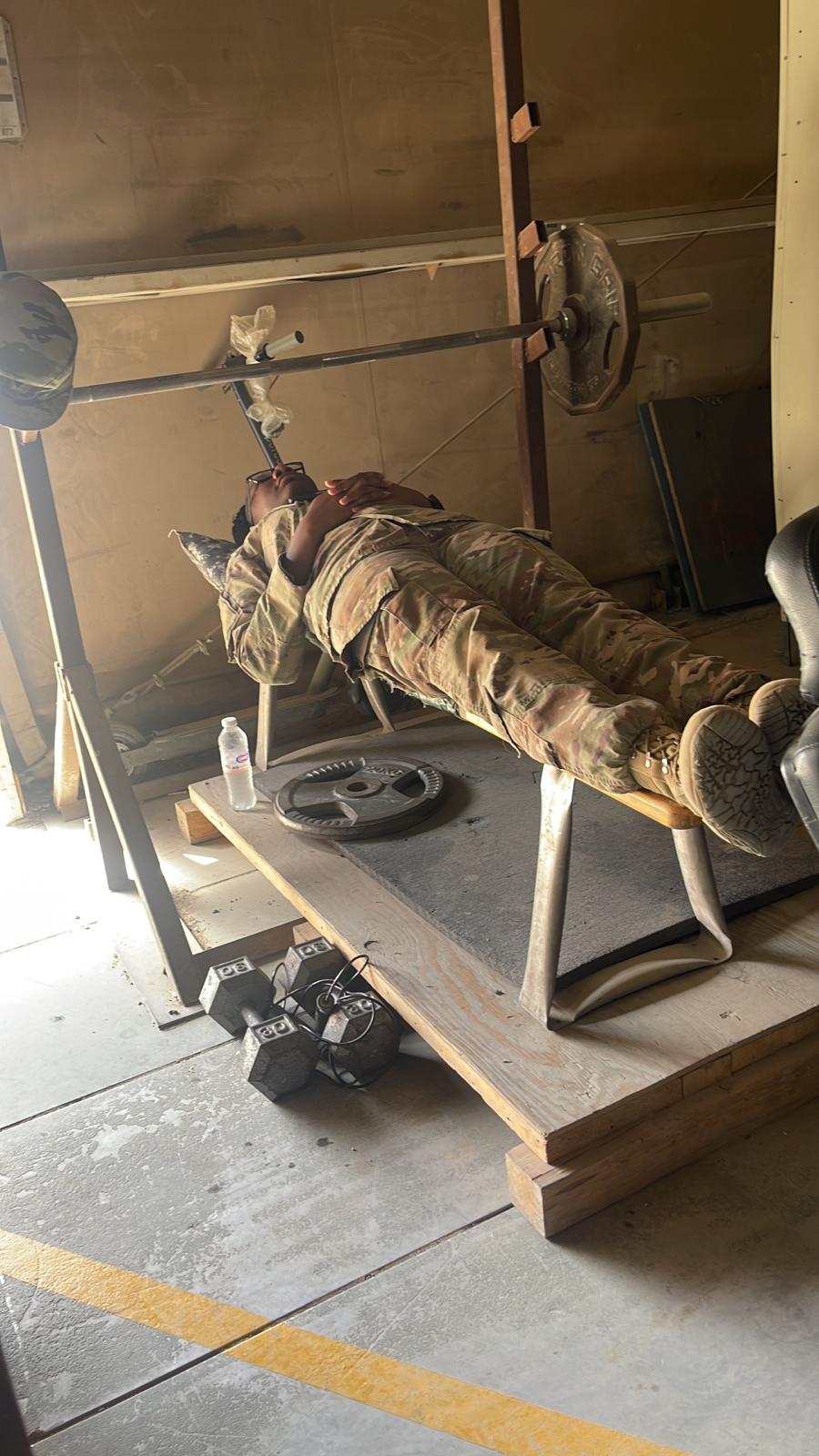
Embracing Solitude: A Reflections on My Birthday Retreat

I didn’t need a party, a cake, or a crowd to feel celebrated this year. What I needed—what I gave myself—was space. Space to breathe, to wander, to listen to the rhythm of my own heart without interruption. From the quiet of Bowman’s Tower to the echoing songs of Ringing Rocks, every step of my solo birthday escape whispered, ‘You are becoming. And that is worth honouring.’

I never imagined I’d spend my birthday completely alone, not in the sad, lonely way, but in the free, expansive, soul-hugging way that only solitude can offer. This year, I gave myself a gift: time, quiet, and beauty. Just me, the golden leaves of early October, and a heart wide open.


Day 1: Stepping Into Stillness

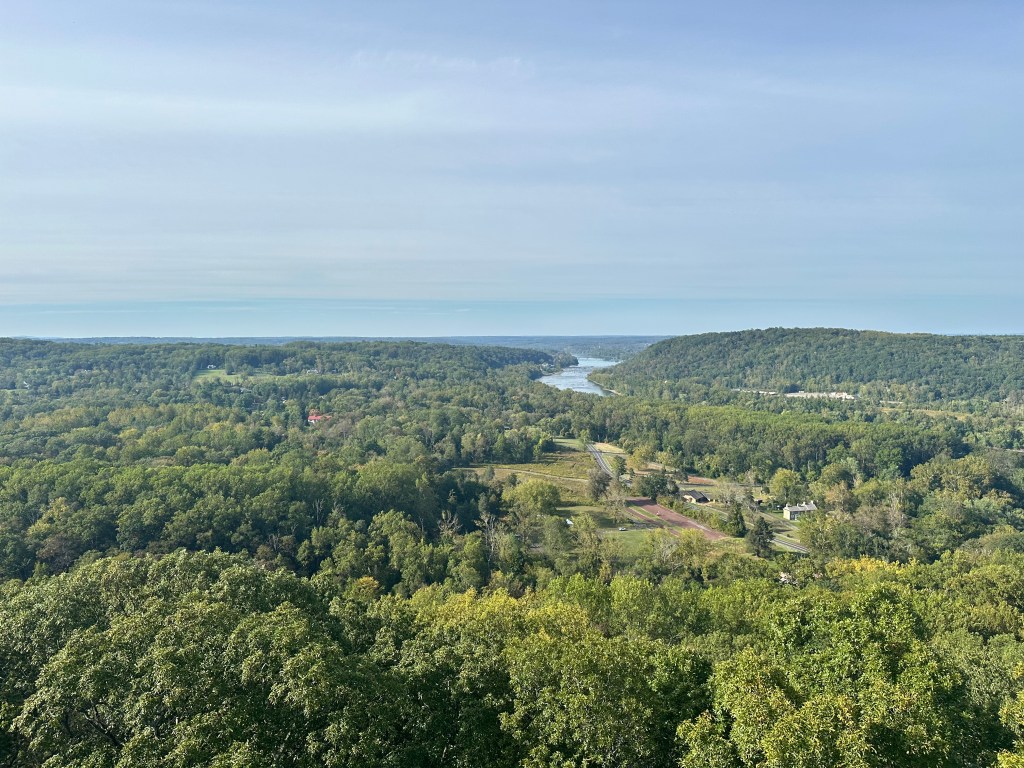
I arrived in New Hope just after noon, the sleepy streets lined with changing leaves and cosy shops. My first stop was Bowman’s Hill Tower. The elevator was out of service, but I surprised myself by climbing all the stairs to the top. At the summit, I stood in awe. The view stretched endlessly. I felt the weight of my own growth. The kind you don’t always notice until you’re standing still, high above the chaos of everyday life. I stood there, breathless and smiling, soaking in a panoramic view that made the climb (and the year leading up to this moment) worth it.

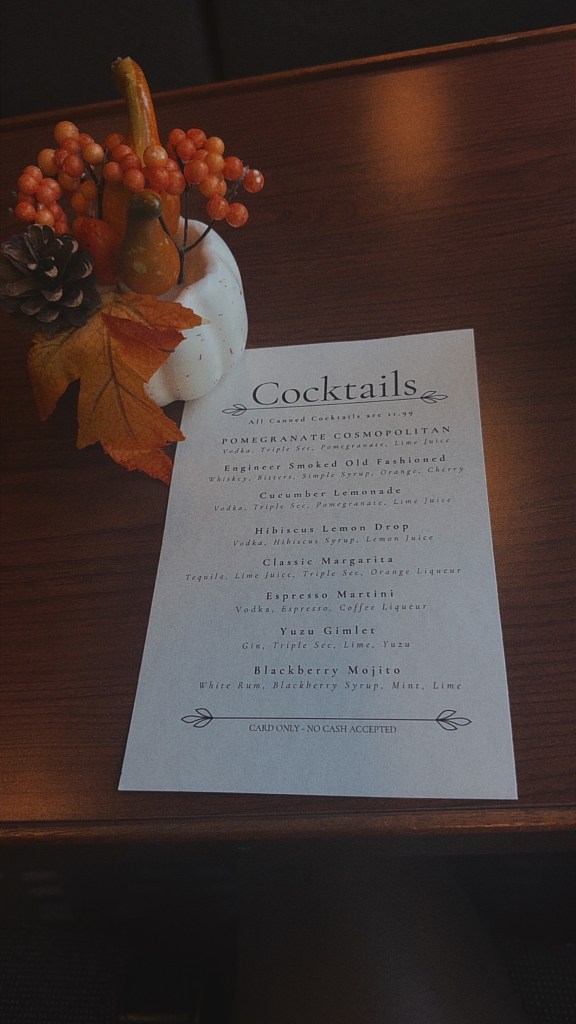
Checking into my sweet Yardley Airbnb felt like entering a cosy novel. I let the quiet sink in. Later, I made my way to Continental Tavern for dinner, where the warm lighting and murmurs of conversation made me feel both unseen and safely held. That night, I toasted myself with a glass of wine, danced barefoot in my PJs, and whispered a quiet “thank you” for the journey so far.

Alone. At peace. Grateful.


Day 2: Birthday Joy in Motion

The morning light felt like a birthday blessing. I spent time with God, then got ready for the day. I wandered through New Hope again, this time with no rush. I had wine and light bites at Nektar Wine Bar.

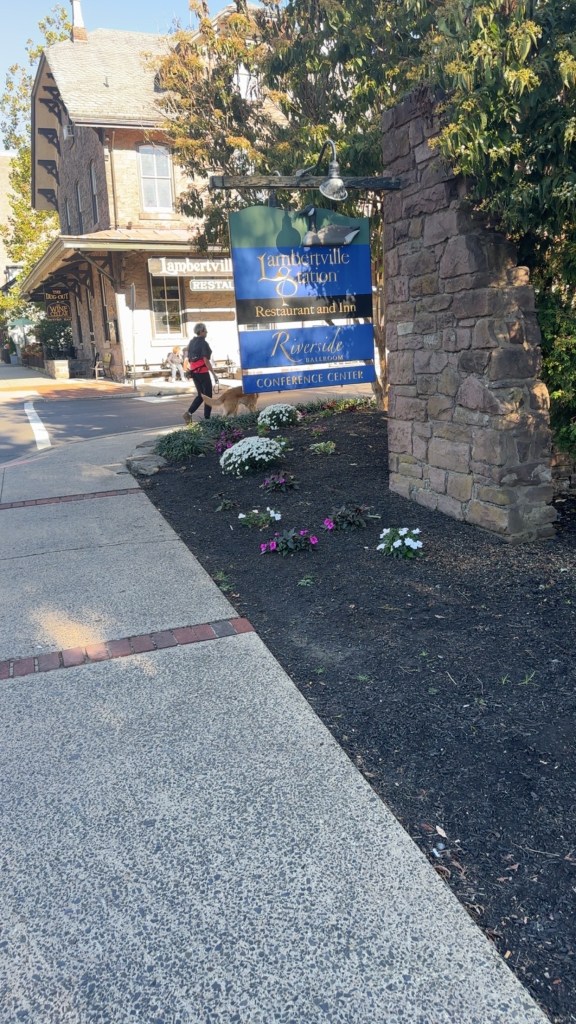
Crossing into Lambertville, I let my feet guide me. No itinerary. No pressure. I window-shopped, smiled at strangers, and admired the canal’s stillness. As the sun dipped low, I returned to Yardley for dinner at Vault Brewing. Sitting there, hearing the laughter of nearby tables, I didn’t feel alone—I felt whole. This birthday wasn’t extravagant, but it was mine. Every second of it.


Day 3: Rocks That Ring and Quiet Retreats

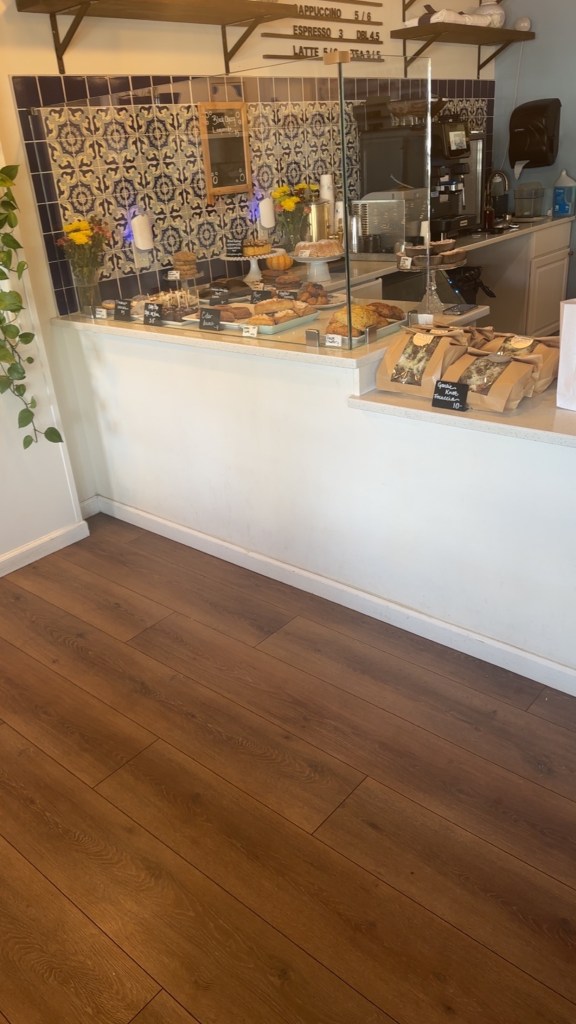
I had breakfast at Pretty Bird Café, then took a leisurely stroll around the area. I visited Panna and picked up a few sweet treats for later. Then I drove through winding roads to Upper Black Eddy and checked into my next Airbnb, a peaceful spot nestled in nature’s quiet. It felt like a transition point. The drive there was filled with reflection. It was a shift from celebration to contemplation.

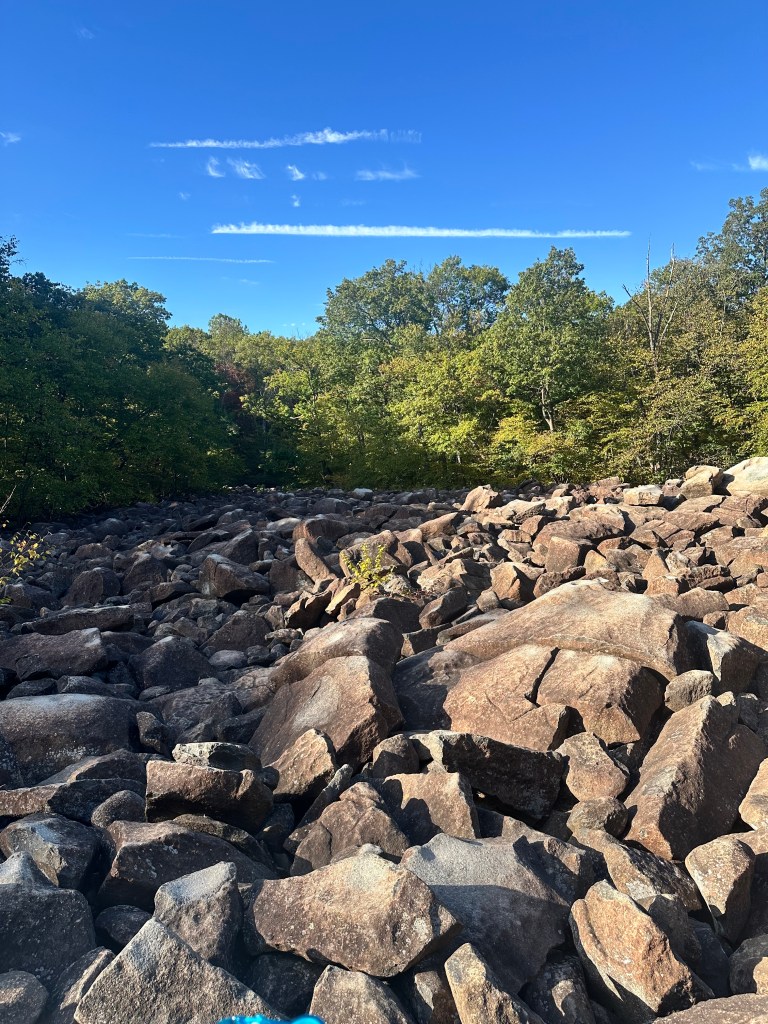
Later, I drove to Ringing Rocks Park and spent the afternoon walking among boulders that literally sing when struck. Nature has its poetry, and that day, it was loud and clear.

Dinner was takeout from The Narrows. I wrapped up the evening with a movie, warm socks, and snacks. My heart felt quiet and filled.


Day 4: Riding into My Next Chapter

My final morning began with the New Hope Railroad. I booked a first-class ride on the Lahaska line, complete with a mimosa and warm pretzel. Riding through the fall foliage felt symbolic, like I was quietly celebrating the journey I’d taken to get here. The train creaked along slowly, and I stared out the window, tears welling in my eyes, not from sadness, but from the depth of appreciation.

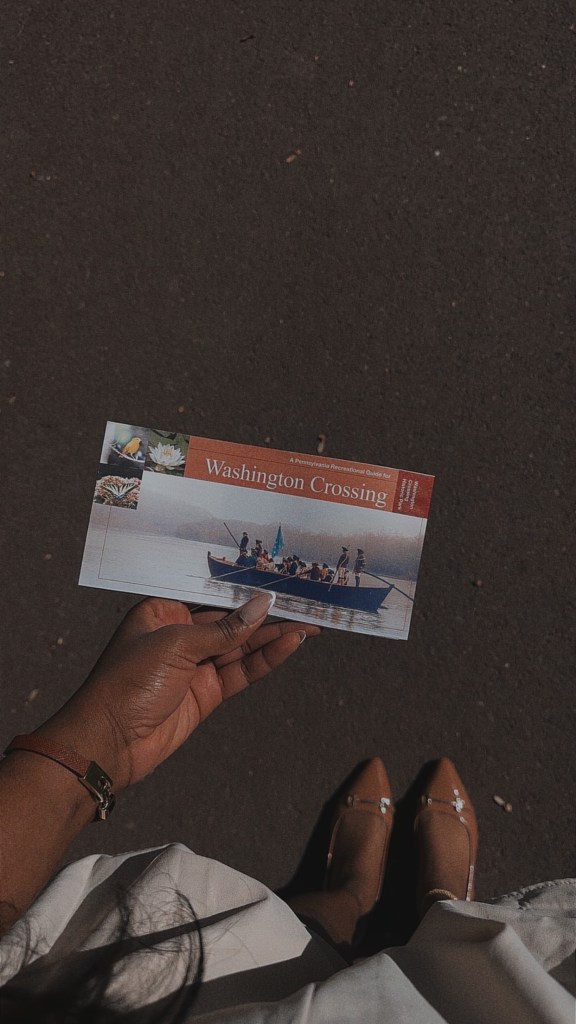
Before heading home, I stopped by Washington Crossing Historic Park to wander through the exhibits. As I made my way back home, it felt like I had gathered pieces of myself from every stop.


Closing Thoughts

There’s something powerful about choosing yourself. Something about intentionally creating space to reflect, celebrate, and reset. This solo birthday wasn’t extravagant. It was rich. Every sip of wine, every crunchy leaf underfoot, every silent moment under the sky felt like a love letter to the woman I’m becoming. This trip was more than a birthday celebration. It was a love letter to the parts of me that needed rest, recognition, and renewal. Each place I visited offered a mirror: the tower reminding me of my strength, the railroad inviting me to trust the journey, the ringing rocks reminding me that even the hard things can sing.

If you’ve never taken yourself on a solo trip, I highly recommend it. Even just a few days can change everything. You deserve to witness your own unfolding.

Question for You: Have you ever taken a solo birthday trip or retreat? What did it teach you about yourself? What would it look like to carve out space to celebrate you—on your terms?


With a grateful heart,
Abby

Called, Chosen, and Ready: Embracing God’s Timing

After stepping away from writing for a while, I found myself stirred by God to return and share what He’s been teaching me. This post is a reflection on faith, surrender, and the courage it takes to step into your calling. If you’ve ever struggled with self-doubt or felt unworthy of God’s blessings, this is for you. It’s a gentle but bold reminder: you are seen, you are chosen, and it’s your time to receive fully and unapologetically.

It has been quite some time since I last posted. I lost all the passion I had for writing, but I kept the page active in the hope that it would still reach and impact those who might come across it. Today, something stirred in my spirit, and I hopped back on to share a few insights. I hope they speak to your heart.

Saying “yes” to God requires dying to the flesh and surrendering your own desires, comforts, and even your fears. God knows exactly when and how to get our attention. And while the road hasn’t always been smooth, I can say with full confidence that I have no regrets. This has been the most beautiful and transformative journey I’ve ever walked.

This post is for the one who has dimmed their light so others can shine.
For the one who feels more comfortable on the sidelines than in the spotlight.
For the one who has accepted mediocrity because excellence felt too heavy.
For the giver who forgets how to receive.
For the one who’s afraid to step into all God has called them to be.

For a long time, I thought God had forgotten me. I thought my prayers were unanswered and that I would always be the one left with the short end of the stick. But, friend, that couldn’t be further from the truth.

Psalm 34:18 reminds us, “The Lord is close to the brokenhearted and saves those who are crushed in spirit.”

And in Deuteronomy 31:8 and Hebrews 13:5, we are reminded that He will never leave us nor forsake us. In our highest highs and lowest lows, God is there.

So, what does this have to do with dimming our light?

When you never put yourself first, whether out of humility or fear, you begin to lose the boldness to receive when God declares it’s your turn. Years of timidity and self-shrinking conceal the very person God created you to be. And make no mistake, Satan thrives in our unawareness. The less we know about who we are and what we carry, the easier it is for him to distract and deter us.

A beautiful sister in Christ and fantastic mentor reminded me today:
Be unapologetic about receiving what God has in store for you. Step boldly.

That moment awakened something in me.

As she spoke, I saw myself like a turtle, retreating into its shell. Turtles do this for protection from predators, as a defence mechanism, or to conserve energy, only sticking my head out to test the waters. But a turtle can’t get where it needs to go if it stays in the shell. That’s how I’ve approached God’s blessings: cautiously, with one foot in, one foot out.
That ends today.

To whoever needs this: It’s your time. Receive it. Walk in it.

I’ll relay the words that were spoken over me today:
Let the Lion of Judah rise within you. Forget the voices of the naysayers and fix your focus on the One who called you. Let Him free your mind from the guilt of wanting more for yourself. Let Him break the chains of mental strongholds and self-doubt.

“The enemy comes to steal and kill and destroy.” John 10:10

Don’t let him steal what’s already yours. Don’t let him convince you that blessings aren’t for you. Don’t let him win. You’ve fought too hard, prayed too long, cried too many tears. You carry oil that came at a cost. It’s yours and no one else’s.

So, I ask you:
Will you squander the blessings when they come, or will you partner with the Holy Spirit and steward them well? The choice is yours. But I pray that today, something shifts inside you, just as it did in me. I pray that this message reaches those who need it most.

I pray it frees your mind, renews your boldness, and reminds you of this simple truth:
You are called. You are chosen. And yes, you are ready.

Until next time,
Abby

Be encouraged today.

Finding Hope During Advent: Trusting God’s Promises

Hope isn’t just about anticipation but confidence and assurance in God’s promises. Like Peter stepping out onto the water, hope requires faith, even when the storms of life rage around us. It’s not always easy, but it’s always worth it.

In last week’s post, I mentioned that hope stood out as one of the themes shared during a service at The Church of Jesus Christ of Latter-day Saints. This insight could not have been timelier, as December 1st marked the first Sunday of Advent—a season traditionally focused on hope, joy, peace, and love. Over the coming weeks, I’ll be exploring these four themes. Let’s begin with hope, a virtue often elusive when life’s storms rage around us.

Hope and Advent: A Season of Expectation

Advent is a season of waiting—waiting for the arrival of Christ. It’s a time filled with anticipation, reminding us that we can trust God’s promises no matter how dark or uncertain our circumstances feel. Hope is like a steady anchor, holding us firm as the winds of doubt and discouragement blow through our lives. It’s not a shallow optimism but a profound confidence that God is who He says He is and that He will fulfil His Word in His perfect timing.

Reframing Faith: Confidence and Assurance

In last week’s post, hope was a central theme at the church service I attended. This directly set the stage for the Advent journey. Reflecting on Hebrews 11:1, I noticed how different translations of the Bible highlight subtle nuances. The NIV says, “Now faith is confidence in what we hope for and assurance about what we do not see,” the KJV phrases it as, “Now faith is the substance of things hoped for, the evidence of things not seen.” Both share the same truth, yet the words “confidence” and “assurance” jump out and invite us to see faith not as wishful thinking but as a grounded, unwavering trust in God’s promises.

Hope flourishes in this environment of faith. Where there is genuine faith, hope takes root. It is nurtured by confidence and watered by assurance that God’s plan stands secure, even when our physical eyes can’t see the outcome.

Doubt vs. Confidence: The Battle for Our Focus

A few days before I revisited Hebrews 11:1, I encountered a thought-provoking interpretation of why Peter began to sink while walking on water. We commonly say it’s because he took his eyes off Jesus and focused on the storm. But the reminder in that video was that Jesus specifically asked Peter, “Why did you doubt?” Doubt—not just distraction—was the core issue.

Doubt is the opposite of confidence. It comes in many forms: insecurity, fear, and worry. It feeds on uncertainty and tries to convince us that we’re not enough, that God won’t show up, and that the storms are too big to overcome. When we listen to doubt, we shift our gaze from the Savior before us to the waves rolling beneath us. The moment we entertain these lies, we start sinking. Not because Christ is absent but because we’ve let go of hope and faith—our lifelines.

What We Think Shapes Who We Become

Scripture reminds us that as we think, so we become (Proverbs 23:7). When we allow unresolved pain to shape our perspective, accountability can feel like judgment, correction feels like an attack, and compliments breed suspicion. Unaddressed pain and deception go hand-in-hand, closing our eyes to God’s truth.

Doubt uses the storms of life to sway our thinking, leading us to believe that stepping out in faith is futile. But here’s the paradox: the miracles of God don’t happen in the boat of our comfort or certainty. Much like Peter, we must step out onto the water for miracles to occur. True breakthroughs often come when we leave the safety of the shore and trust God’s leading, even if it means standing on seemingly impossible ground.

Hope as a Shield Against Discouragement

During Advent, we remember Christ stepping into our world, fulfilling prophecies and bringing a hope that transcends every circumstance. This truth stands firm whether we’re facing financial hardship, relational struggles, or spiritual dryness. Hope doesn’t deny that challenges exist; it simply refuses to be defined by them. Instead, it reminds us that God’s faithfulness is never in question and that every difficulty is an opportunity to see Him work.

Doubt wants us to mistake the temporary storm for a permanent defeat. But hope, anchored in faith, declares that the storm will pass and God’s goodness will remain. As the saying goes, “Worry is a down payment on a problem you may never have.” Hope teaches us to pay into God’s promises instead of the enemy’s lies, letting faith shape our outlook rather than fear.

Choosing Faith Over Doubt

We can’t always control our circumstances, but we can control our response. Faith is a choice, just as much as doubt is. Faith chooses to believe that God’s character is trustworthy. Hope springs from faith’s decision to trust His timing and purpose. Together, they help us see beyond the storm to the One who calms it with a word.

As we reflect on hope this Advent season, remember that faith is our confidence, and hope is our assurance. God has never failed His people and won’t start with us. Our part is to refuse doubt’s nagging lies and choose to trust in the God who never wavers.

Reflection Questions:

  1. In what areas have you struggled with doubt instead of hope?
  2. How can you practice shifting your focus from life’s storms back to Jesus this Advent season?
  3. What’s one practical step you can take today to nurture confidence and assurance in God’s promises?

Call to Action:

This week, pray asking God to help you identify areas of doubt in your heart. Invite Him to replace them with confidence and assurance. Write a journal entry about a storm you’re currently facing, and write down a Scripture that reminds you of God’s faithfulness. Let hope, not doubt, shape your perspective as we journey through Advent together.

Until next time,
Abby

https://www.tiktok.com/t/ZP8N2n5Nt/

Overcoming the Fear of Quitting

When faced with challenges, quitting can seem appealing. Yet, perseverance is essential for achieving meaningful goals. Doubt and fear of failure often hinder progress; the key lies in developing habits that foster resilience. Embrace small steps, seek support, and remain patient, understanding that success requires time and effort. Keep moving forward.

Have you ever started something meaningful, only to find yourself ready to quit as soon as things got tough? The discomfort feels unbearable, the progress seems slow, and the voice in your head whispers, “Maybe this isn’t worth it.” It’s easy to retreat, to fall back into what’s comfortable, and to let doubt win. But what if I told you that those moments of struggle are where breakthroughs begin—and quitting is precisely what the enemy wants you to do?

In this post, we’ll explore why it’s so tempting to give up when the road gets hard, how to silence the lies of insecurity, and how building resilience through habits can help you keep moving forward, even when the journey feels overwhelming.

The Lies That Lead to Quitting

One of the enemy’s greatest tactics is filling our minds with lies—subtle whispers of doubt, insecurity, and fear that cloud our vision and make us question whether we’re capable. When you start working toward a God-given purpose, the devil doesn’t sit idly by. He doesn’t attack plans that aren’t significant; he focuses on those with meaning, those aligned with God’s will.

One of the enemy’s biggest lies is that “you’re not enough.” Insecurity blinds us to the victories we’ve already won. You might be making progress, taking steps forward, and achieving things you once prayed for—but insecurity makes it hard to see these wins. Instead, you focus on what’s left to accomplish, magnifying your flaws and mistakes. The enemy plants doubt to make you think you’re not succeeding when, in fact, you are. If you give in to these lies, you risk slipping back into the comfort zone where he wants you, mistaking temporary relief for true healing.

Remember this: failure is not defeat; quitting is. The enemy knows that if he can make you quit, he wins. But when you persevere, even in the face of failure, you’re stepping into God’s purpose for your life.

The Fear of Failure: A Bigger Obstacle Than Failure Itself

Have you ever noticed how the fear of failure is often worse than failure itself? The anticipation of what might go wrong keeps us paralyzed. We play out worst-case scenarios in our minds, convincing ourselves that the risk isn’t worth it. But here’s the thing: failure isn’t the end—it’s part of the process.

“I have not failed. I’ve just found 10,000 ways that won’t work.” -Thomas Edison

 The fear of failure stops us from trying, robbing us of opportunities to grow and learn.

Proverbs 24:16 encourages us with this truth: “For though the righteous fall seven times, they rise again.” Falling isn’t the issue—it’s staying down that holds us back. What matters most is your willingness to get back up and keep going.

Are You Under Attack or Stuck in a Habit?

When things get tough, it’s easy to feel like you’re under attack. And sometimes, you might be. The enemy often targets areas of your life that are tied to your God-given purpose. But not every obstacle is an attack; some challenges are the result of habits we’ve developed over time.

Ask yourself:

  • Am I under attack, or am I stuck in a habit?: If you find yourself quitting every time things get hard, it might be a pattern, not a spiritual battle. Quitting becomes a habit when we let discomfort dictate our actions. The good news is that habits can be broken and replaced with healthier ones.
  • Am I constantly running when things get hard, or is this a rare instance?: It’s important to evaluate your response to challenges. If quitting is your go-to response, it’s time to create new habits that help you push through instead of giving up.

Building Habits That Cultivate Perseverance

If habits are what’s holding you back, the key to overcoming them is intentionality. Perseverance isn’t a trait you’re born with—it’s a skill you develop over time. Here are some steps to help you build habits that foster resilience:

1. Focus on the long-term reward. Good things take time, and nothing worth having comes easily. Shift your perspective from immediate discomfort to the long-term benefits of staying the course. Galatians 6:9 reminds us, “Let us not grow weary in doing good, for at the proper time we will reap a harvest if we do not give up.” Trust that your hard work will pay off in God’s perfect timing.

2. Replace negative self-talk with truth. When doubt creeps in, counter it with God’s promises. Write down affirming scriptures like Philippians 4:13, “I can do all things through Christ who strengthens me,” and repeat them when you feel like giving up.

3. Take small, consistent steps. Big goals can feel overwhelming, but breaking them into smaller, manageable steps makes them achievable. Celebrate each small victory along the way as a reminder of your progress.

4. Surround yourself with support. Remember, you are not meant to do this alone. Community is essential when you’re striving for growth. Surround yourself with people who encourage you, pray for you, and hold you accountable when you feel like giving up. Ecclesiastes 4:9-10 reminds us, “Two are better than one… If either of them falls down, one can help the other up.”

5. Pray for strength and discernment. When you feel weak, turn to God for the strength to keep going. Ask Him to help you discern whether your struggle is an attack or a habit and to guide you toward perseverance. James 1:5 promises that God gives wisdom generously to those who ask.

Time Will Tell: The Power of Patience

Success doesn’t happen overnight; healing, growth, or achieving a goal requires patience. It’s easy to feel discouraged when progress feels slow, but time will tell. Consistency and persistence over time reveal the fruit of your labour.

When you feel like quitting, remind yourself why you started. Is your goal aligned with a greater purpose? Is the discomfort you’re feeling now worth the reward that’s waiting on the other side? Trust the process, and know that every step forward—no matter how small—is progress.

Conclusion: Choosing to Persevere

Quitting might feel easy in the moment, but the cost of giving up is far greater than the discomfort of perseverance. The devil wants you to quit because he knows what’s on the other side of your persistence: victory, growth, and purpose. When you feel like giving up, remember that failure isn’t the end—quitting is.

Ask yourself:

  • Are you under attack, or are you stuck in a habit?
  • Are you letting fear hold you back, or are you willing to trust God and take the next step?

When the lies creep in, counter them with the truth. When insecurity tries to blind you to your victories, remind yourself how far you’ve come. The journey may be challenging, but good things take time, and something worth having comes with effort.

Reflection Questions:

  1. Are there areas in your life where you’ve been tempted to quit because of discomfort or fear?
  2. What habits might be holding you back from persevering through challenges?
  3. How can you start building habits that encourage resilience and persistence?

Call to Action: This week, identify one area where you’ve been tempted to quit. Instead of giving up, take one small step forward and invite God into your journey. Share your thoughts or experiences in the comments—let’s encourage one another to keep moving forward!

Until next time,
Abby

Recognizing the Storms: When God Calls Us Back to Him

Life’s storms can be chaotic or internal, often intended to redirect us toward God. The biblical story of Jonah exemplifies this, illustrating how resistance to divine purpose can lead to turmoil. By recognising and inviting God into our struggles, we can find healing and restoration instead of remaining trapped in discomfort or past trauma.

Life is filled with unexpected storms. Sometimes, they feel like pure chaos—an unexpected job loss, a broken relationship, an overwhelming season of doubt and confusion. Other times, the storms we face are quieter and more internal, like reliving old traumas or revisiting painful memories we thought we’d buried long ago. But what if these storms serve a deeper purpose? What if some storms were created to redirect us back to God?

Just as Jonah experienced in the Bible, certain storms can be a call to turn back to God and invite Him into the areas of our lives that we’ve tried to keep hidden or control on our own. However, it’s up to each of us to discern the nature of the storm we’re facing and decide whether we’re willing to invite God into the change He’s calling us toward.

The Story of Jonah: When the Storm is a Call to Turn Back

The story of Jonah offers a clear example of a storm designed to redirect. Jonah was a prophet called by God to go to Nineveh and deliver a message. But instead of following God’s call, Jonah ran in the opposite direction, boarding a ship to Tarshish to avoid his responsibilities. As Jonah fled, a mighty storm arose, terrifying the sailors on board. They quickly realized that the storm was no ordinary event—it was a divine intervention meant to stop Jonah and force him to confront his actions.

In Jonah 1:4-5, we read, “Then the Lord sent a great wind on the sea, and such a violent storm arose that the ship threatened to break up.” This storm wasn’t random; it was specifically sent to redirect Jonah back to God’s purpose for him. And while Jonah initially resisted, it wasn’t until he surrendered and accepted God’s call that the storm subsided, and his journey took him to Nineveh, where he fulfilled his purpose.

Sometimes, the storms we face in life are God’s way of calling us back. They disrupt our plans, challenge our comfort zones, and bring us face-to-face with the areas of our lives that we’ve been avoiding. These storms are not meant to harm us but to wake us up to the life and purpose God has designed for us.

“Don’t Get Accustomed to the Pig Pen”

I heard something the other day, and it stuck with me. “Don’t get accustomed to a pig pen when God has been calling you home for years.” This made me realise how important it is for us not to settle for less than what God has planned. In the story of the prodigal son, we see this vividly. The son had everything he could have needed in his father’s house but chose to leave, wasting his inheritance and ending up in a pig pen, feeding animals and struggling to survive. He became so accustomed to the dirt and poverty of his situation that he almost forgot there was a way back home.

But when he finally recognized his brokenness, he realized that even the servants in his father’s house were better off than he was. Only then, in humility, he turned back to his father, who welcomed him home with open arms. Luke 15:17-20 reminds us that the father was waiting, ready to restore his son despite everything.

How often do we settle into places of hardship, shame, or unhealed pain, allowing them to become our “normal”? We stay in the pig pen of unresolved trauma, lingering guilt, or a lack of purpose, forgetting that God is calling us back, ready to lead us into restoration. God has always been waiting and willing to bring us into His presence, but we need to be willing to get up, turn back to Him, and allow Him to do the work He wants to do in us.

Are You Inviting Change or Fighting It?

God is always working in our lives, seeking to mould us into the people He created us to be. But it’s all too easy to resist the changes He wants to make. Sometimes, we hold on tightly to our comfort zones, even if they’re places of pain or dysfunction, simply because they’re familiar. The question is, Are you inviting the changes God is actively doing, or are you fighting them?

Inviting God into these problematic areas of our lives means releasing control. It requires humility, a willingness to admit we don’t have all the answers, and a readiness to surrender to His will. On the other hand, fighting change keeps us stuck in cycles of pain, never moving forward and never allowing God to work entirely in us.

Reliving Trauma and Past Hurts

One of the biggest barriers to embracing God’s transformation is the trauma and pain we’ve buried rather than healed. We may tell ourselves that we’ve moved on and “brushed it under the rug,” but deep down, unresolved hurt continues to affect us. The unhealed wounds in our hearts can manifest in anger, fear, insecurity, or even unhealthy habits. I know this all too well. I also know how hard it can be to confront, but the reward and freedom waiting on the other side is worth facing those wounds.

God, however, doesn’t want us to carry these burdens alone. Psalm 147:3 reminds us, “He heals the brokenhearted and binds up their wounds.” When we allow God into our past hurts, He can bring healing that goes beyond anything the world can offer. But to heal, we have to be willing to feel and confront the pain instead of numbing it or hiding from it.

If we never allow ourselves to process these traumas, they continue to resurface, and we may end up reliving them in different forms throughout our lives. God is ready to step into those painful memories to help us face and heal from them. But it’s up to us to invite Him in.

How to Discern the Storm You’re In

Not every storm we face is designed to bring us back to God; some are life’s trials and opportunities for growth rather than redirection. So, how do we discern the nature of the storm we’re in?

  1. Pray for Wisdom: James 1:5 tells us, “If any of you lacks wisdom, you should ask God, who gives generously to all without finding fault, and it will be given to you.” When you’re facing a storm, ask God to reveal its purpose. Is it a call to change direction or a trial meant to strengthen your faith?
  2. Examine Your Heart: Take a close look at your life. Are there areas where you’ve been running from God? Are there sins or unhealed wounds that you’ve avoided dealing with? Sometimes, storms are a direct result of unresolved issues we need to face.
  3. Seek Wise Counsel: Trusted friends, family, or spiritual mentors can often offer perspectives we might miss on our own. Reach out to those who can help you discern God’s work in your life.
  4. Look for Patterns: If you repeatedly face the same challenges, it could be a sign that God is trying to get your attention. Please don’t ignore the pattern; consider whether it’s a call to change course.

Inviting God Into Every Part of Your Life

God is not just interested in the “easy” parts of your life; He wants to be invited into every corner, including the messy, complicated, and painful places. The areas you’re afraid to confront or the parts of yourself you wish you could forget—God wants to bring healing there, too.

When we open ourselves to God’s work, we allow Him to take what’s broken and make it whole. It’s about surrender, about saying, “Lord, I don’t want to keep running or hiding. I need You to work in this area.” And as difficult as it may be, this surrender is where true transformation begins.

Psalm 34:18 promises us that “The Lord is close to the brokenhearted and saves those who are crushed in spirit.” God’s presence brings hope, healing, and restoration, but He waits for us to open the door and let Him in.

Conclusion: Choosing Restoration Over Comfort

In life, there are moments when we must decide between staying in our comfort zones and choosing to let God transform us. Some storms disrupt our lives to push us back into God’s arms, while others reveal the changes we need to make to grow. It’s up to us to discern the storm and decide whether we’ll invite God into the process or resist the transformation He’s offering.

Don’t get accustomed to the pig pen when God has been calling you home for years. Don’t let unresolved pain keep you stuck when God is ready to heal your wounds. Instead, allow every storm to drive you closer to Him, trusting that even the most painful seasons can lead to incredible growth and restoration.

Reflection Questions:

  1. Are there any areas of your life where you’ve been running from God’s call to change?
  2. What unhealed wounds or past traumas are you still carrying, and how can you begin to invite God into those spaces?
  3. How can you begin discerning whether the storms in your life are for redirection or growth?

Call to Action:

  1. Take time this week to pray and reflect on any “storms” you’re currently facing.
  2. Ask God to show you if they’re meant to redirect you, to encourage growth, or to help you heal unresolved pain.
  3. Invite Him into those areas and trust that He will work in ways that bring you closer to His love and purpose for your life.

Until next time,
Abby

Love and Faith: Why Taking Risks is Essential

Love and faith are intertwined risks that require vulnerability, yet they offer profound fulfilment. Both can lead to personal growth, deeper connections, and a meaningful life. Avoiding these risks might shield us from pain but also deprive us of joy and richness. Embracing love and faith enriches our lives despite uncertainties.

Love and faith—two of the most powerful forces in life, yet both involve stepping into the unknown. At their core, love and faith are both risks. They ask us to open our hearts, to trust in something beyond ourselves, and to give without guarantees of what we’ll receive in return. But why are love and faith so intertwined with risk, and why are they worth embracing despite the potential for disappointment?

The Risk of Love: Opening Your Heart Without Guarantees

What if the two things that could bring the most fulfilment to your life—love and faith—were also the riskiest decisions you’ll ever make?

To love someone, whether it’s a partner, friend, or family member, requires vulnerability. Love isn’t just about the romantic gestures or the warm feelings we get when things are going well. It’s about offering your heart to someone else with no certainty about how it will be treated. We’ve all heard the saying, “Love is a risk,” but what does that really mean?

When we love someone, we risk being hurt, misunderstood or let down. There’s always the chance that the love we give won’t be returned in the way we hope, or that the person we love will change or walk away, leaving us with wounds and heartache. But despite these risks, we continue to love. Why? Because love, even with all its uncertainties, brings immense beauty, joy, and connection into our lives.

The Risk of Faith: Trusting What You Cannot See

Just like love, faith requires a deep sense of trust. But while love is often directed toward other people, faith is rooted in trusting something greater than ourselves—whether it’s God, a higher purpose, or the belief that everything will work out in the end. And this, too, is a risk.

Faith asks us to believe in things we cannot see and to trust in promises that haven’t yet come to pass. It’s the risk of stepping out into the unknown, of following a path when the outcome isn’t clear. Hebrews 11:1 defines faith as “confidence in what we hope for and assurance about what we do not see.” But let’s be honest—living by faith isn’t always easy. It’s often filled with doubts, waiting, and the fear that things won’t turn out the way we planned.

Faith doesn’t come with guarantees. There are moments when you’ll wonder if your prayers are being heard and if the promises you’re holding onto will ever be fulfilled. You risk disappointment, delay, and confusion. But just as with love, the risk of faith is outweighed by the potential for transformation.

Love and Faith: Why They’re Both Worth the Risk

So, why take the risk of love and faith? Why put your heart on the line for something that might let you down? Because, despite the uncertainties, love and faith are the two wings that lift our lives, allowing us to soar above the ordinary and touch the heights of joy, connection, and purpose.

1. Love and faith are like fertile soil that grows resilience.

Love and faith are not just feelings; they are growth experiences. They stretch us beyond our comfort zones, making us stronger and more compassionate. Love, like a plant reaching for sunlight, grows through patience, kindness, and the ability to weather the sunshine and the storms. Faith, like roots pushing deep into the earth, builds a foundation of strength and resilience, especially when the winds of life are rough. In the end, we stand taller and stronger than before.

2. They create connections as rivers carve their way through valleys.

Love and faith are not just personal experiences; they are about connection. Love connects us deeply with others, forging relationships that are like rivers winding their way through valleys, nourishing the landscape of our lives. Faith connects us to God, offering peace and direction like a lighthouse guiding us home through the fog. Together, they weave bonds that sustain us through trials, bringing moments of stillness and clarity in a chaotic world.

3. They make life feel more vivid and meaningful, like stepping into full colour.

Without love and faith, life can feel like a series of greys and muted tones. Love and faith bring colour and dimension, filling life with purpose, joy, and depth. Love paints our days in vibrant hues of connection and warmth, while faith adds depth and shadows that shape our understanding of who we are and why we’re here. Together, they create a masterpiece, showing us life’s beauty in all its fullness.

By embracing the risks of love and faith, we’re invited into a richly textured and deeply felt life—a life that, despite its uncertainties, offers rewards that are well worth the journey.

The Dangers of Avoiding the Risks

Choosing not to love or not to have faith might protect us from pain in the short term, but it comes with its own consequences. When we refuse to risk love, we build walls around our hearts. We might keep the hurt out, but we also keep out the joy, fulfilment, and deep connection that love brings. Similarly, when we refuse to have faith, we limit ourselves to what we can control, missing out on the peace and possibilities that come with trusting something greater than ourselves.

It’s like living in a fortress. You’re safe from the storms but also cut off from the beauty of the world outside. Avoiding risk may keep you comfortable, but it also keeps you from fully experiencing life’s greatest blessings.

How to Embrace the Risks of Love and Faith

  • Be open to vulnerability: Loving and having faith both require vulnerability. You must be willing to open your heart, trust, and accept that you don’t have control over everything. It’s okay to feel afraid but don’t let that fear keep you from experiencing the beauty of love and faith.
  • Let go of perfection: Neither love nor faith requires perfection. You don’t have to be perfect in your relationships or in your spiritual journey. The important thing is showing up, doing your best, and allowing yourself to learn and grow along the way.
  • Lean on community: Both love and faith flourish when a supportive community surrounds us. Build relationships with people who encourage you to love deeply and live faithfully. In times of doubt, those relationships can help strengthen your resolve.
  • Trust the process: Both love and faith require patience and endurance. There will be moments when you want to give up because the journey feels too difficult or the outcome too uncertain. Trust that the process shapes you into a stronger, more compassionate person.

Conclusion: The Rewards of Risk

Love and faith are not for the faint of heart. They ask us to take chances, to trust without guarantees, and to give of ourselves even when it’s hard. But the risks are worth it. When we choose to love, we experience the fullness of human connection. When we choose to have faith, we find peace and purpose even in the face of uncertainty.

The greatest blessings in life often come when we step out of our comfort zones and embrace the unknown. So, take the risk. Love deeply. Believe fiercely. The rewards are greater than any fear that may hold you back.

Reflection Questions:

  1. In what areas do you hesitate to risk love or faith?
  2. How can you embrace vulnerability in your relationships and faith journey?
  3. What is one step you can take today to open yourself up to the risks of love or faith?

Feel free to share your thoughts in the comments below. Let’s support each other in taking these beautiful risks!

Be sure to check out Understanding Love.

Until next time,
Abby
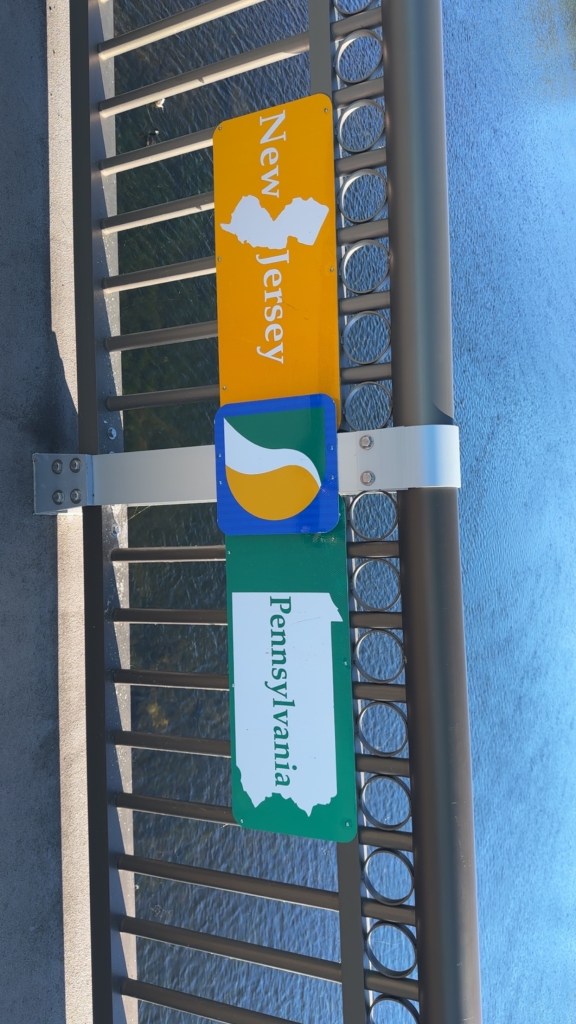
“Only those who will risk going too far can possibly find out how far one can go.”T.S. Eliot

Make Prayer Your Daily Steering Wheel

I recently went to see The Forge and boy, was it good! The movie hit home for me in many ways, especially because it touched on much of what I’ve written about here on the blog. But there was one line that really stood out and lingered with me long after the credits rolled.

One of the characters said:

“We can’t treat prayer like some spare tire that you only pull out in an emergency. No. Prayer has to be more like the steering wheel that you hold tightly every day no matter where you’re going.”

What a powerful metaphor, right? It got me thinking about how often we’re all guilty of this—only turning to God when things go wrong when we’re desperate for a way out. But how different would our lives look if we held onto prayer like a steering wheel—something we rely on daily to guide us through every situation?

Prayer: Not a Last Resort, but a Daily Guide

We’ve all been there. A crisis hits—financial trouble, a relationship breakdown, or perhaps a health scare—and we’re praying fervently, asking God for help. In those moments of desperation, we treat prayer like a lifeline, an SOS call to heaven. And, of course, God hears us. But what happens when the storm passes? Do we keep praying? Often, we don’t.

This is where the metaphor of the steering wheel comes in. Prayer isn’t just for the tough times—it’s meant to guide us daily through calm and stormy weather. Think about how a steering wheel operates. You don’t just grab it when you’re headed for a crash; you hold it tightly the entire journey, constantly adjusting your course, even if the road seems straight. Prayer should be the same. It should guide our decisions, help us navigate life’s challenges, and even keep us grounded when everything seems to go our way.

A Personal Journey: Learning to Pray Daily

Let me share a bit of my own story here. There was a time when I only prayed during difficult moments. If things were going smoothly, I would get caught up in the busyness of life and forget to thank God for all the good in my world. It wasn’t intentional, but looking back, it’s clear that I treated prayer like that spare tyre—something I pulled out when the wheels were falling off, but not something I relied on daily.

Everything changed during a particularly challenging season. I was facing a lot of uncertainty—transitioning out of the Army, trying to figure out the next steps in my career, and dealing with personal struggles all at once. It felt like everything was unravelling, and I prayed more than I ever had. But this time, something clicked. Instead of just using prayer to ask for help, I began using it to stay connected to God.

I started praying not just for solutions but also for guidance, clarity, and even the strength to face whatever was ahead. Over time, I noticed a shift in how I approached life’s challenges. I wasn’t just waiting for things to get tough to turn to God; I was walking with Him through every step. Prayer has become my steering wheel, and life has been beautiful since, despite the challenges.

Biblical Examples: Consistency in Prayer

The Bible is filled with examples of people who used prayer as their guiding force, not just in moments of crisis but throughout their daily lives. One of the most powerful examples comes from Daniel. He prayed consistently, even when it put his life in danger. Daniel didn’t just pray when he was about to be thrown into the lion’s den—he prayed three times a day, every day (Daniel 6:10). His relationship with God wasn’t just about asking for deliverance in an emergency; it was about maintaining that connection day in and day out.

Another great example is Jesus Himself. Despite the demands of His ministry, He regularly withdrew to quiet places to pray (Luke 5:16). Even though He was the Son of God, Jesus demonstrated the importance of consistent communication with the Father. If He needed that daily connection, how much more do we?

Practical Tips: Making Prayer Your Steering Wheel

So, how do we move from treating prayer as an emergency response to making it our steering wheel? Here are a few practical tips that have helped me:

  • Set Aside Daily Time: Consistency is key. Carve out time to pray every day, whether first thing in the morning, during your lunch break, or right before bed. It doesn’t have to be a long or complicated prayer. The important thing is to make it a habit.
  • Be Honest and Authentic: Sometimes, we don’t need the “perfect” words when praying. But God wants us to be real with Him. Whether you’re feeling joyful, anxious, or frustrated, bring those feelings to Him in prayer.
  • Pray for Guidance, Not Just Solutions: It’s easy to pray when we need something, but shift your focus toward asking for guidance and wisdom. This way, you invite God to walk you through every decision, not just when you need a way out.
  • Gratitude is a Form of Prayer: Don’t forget to acknowledge God when things are going well. Thank Him for the little and big things in your life. Gratitude keeps us humble and reminds us that every good thing comes from Him (James 1:17).

Final Thoughts: Keep Holding On

It’s easy to let prayer slip into the background when life is going smoothly, but the truth is, we need it just as much during the calm as we do during the storm. Think of prayer as your steering wheel, something you hold onto no matter where life takes you. When you make that shift, you’ll find yourself more grounded, connected, and prepared for whatever comes your way.

I’d love to hear your thoughts on this! Have you ever found yourself treating prayer like a spare tyre? How do you stay consistent in your prayer life? Let’s discuss this in the comments below.

Until next time,
Abby

Embracing Life’s Unpredictability: Finding Strength in Surrender to God’s Plan

Hope, growth, resilience, and inner peace can be found through unexpected challenges and surrender to God’s plan.

Hey, friends! This is the final piece of the “God Writes with Straight, Crooked Lines” series as I close out my final days in the Army.

As I reflect on life’s unpredictability, I’m struck by how much these moments shape us in ways we could never have imagined. It’s easy to get caught up in the discomfort of the unknown, to wrestle with sudden changes that throw us off course. But through these trials, I’ve come to understand a profound truth: God’s plan is often most evident in the spaces where our plans fall apart.

Life is full of twists and turns, moments that challenge our understanding and push us to our limits. When we face unexpected challenges—like an abrupt career change, a complicated relationship, or an unforeseen hardship—it’s natural to question why these happen. We may wonder why our carefully laid plans unravel or are thrust into unexpected situations. But I’ve learned that these moments, though painful, are where true growth happens.

I didn’t have all the answers, but I chose to believe that there was a purpose behind the pain. Slowly, I started to see small but significant changes. I was drawn to opportunities I would have never considered.

Instead of retreating, I consciously opened up to new experiences and relationships. I started attending a small Bible study group, a bonding group with others navigating life’s uncertainties and spending more time with God. Through shared stories and mutual support, I found healing and formed connections that have strengthened and encouraged me. These relationships have reminded me that community is essential to surrender and that we don’t have to face life’s challenges alone.

Reflecting on these experiences, I realize that surrendering to God’s plan didn’t just lead to external changes; it transformed my inner life. I became more resilient, more adaptable, and more at peace with the idea that I didn’t have to have everything figured out. Letting go and trusting in God’s timing has brought me closer to the person I’m meant to be.

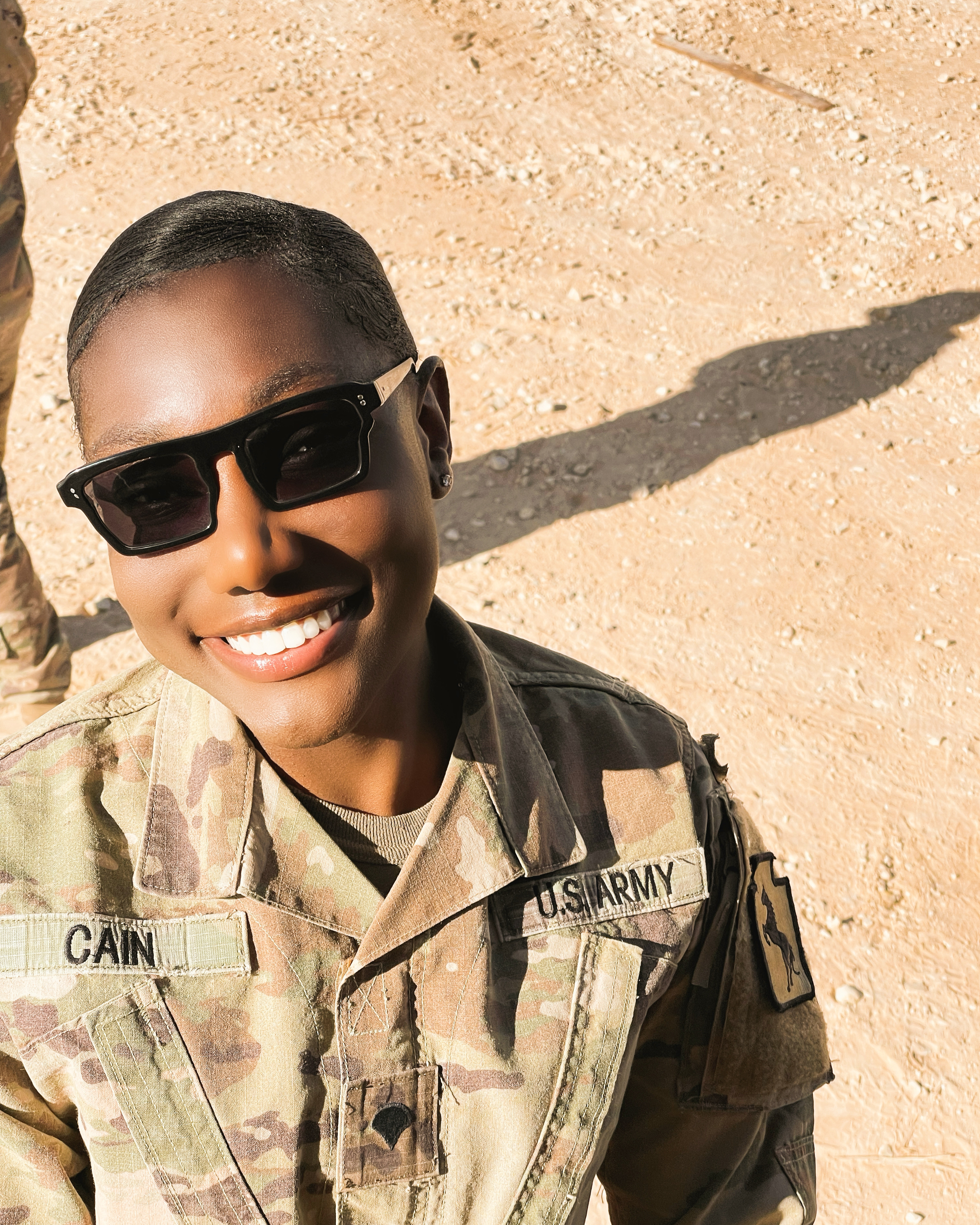
But amidst all these changes, there is one goodbye that I know will be the hardest—the day I leave the Army. As I prepare for my upcoming discharge, my heart is heavy with mixed emotions. The Army has been more than just a job; it has been my home for the past three years. The uniform I’ve worn with pride has symbolised my commitment, sacrifices, and unwavering dedication to serving something greater than myself.

Saudi Arabia, 2022

The day I say goodbye to the Army will be a moment of deep reflection and gratitude. The experiences, the friendships, the challenges—all of these have shaped me in ways that I never imagined when I first enlisted. I’ve learned the true meaning of resilience, the importance of camaraderie, and the strength that comes from pushing through adversity. But now, as I prepare to step into a new chapter, I know these lessons will stay with me, guiding me as I navigate whatever comes next.

The Army has given me so much, and as I prepare to take off this uniform for the last time, I carry a deep sense of pride, honour, and gratitude. This chapter may be closing, but its impact on my life will remain forever.

Now, you might wonder how to apply this in your life. Here are a few steps that have helped me and that I hope will guide you as well:

  1. Pause and Reflect: When faced with unexpected challenges, take a moment to pause and reflect. Ask yourself, “What is this situation teaching me? How can I grow through this experience?” Journaling your thoughts can be a powerful way to gain clarity and perspective.
  2. Release Control: Identify the areas in your life where you hold on too tightly. It might be a specific plan, relationship, or expectation. Practice releasing control by praying, meditating, or simply stepping back and trusting that God has a bigger picture in mind.
  3. Take Action in Faith: Surrendering doesn’t mean being passive. It means taking action even when you’re uncertain of the outcome. Whether applying for a new job, reaching out to someone, or trying something outside your comfort zone, do it with faith that every step is part of a larger plan.
  4. Seek Community: Surround yourself with people who uplift and support you. Share your journey with others who are also navigating life’s unpredictability. Their insights and encouragement can help you stay grounded and motivated.
  5. Celebrate Small Wins: Growth often happens in small, incremental steps. Celebrate the little victories—learning something new, overcoming a fear, or overcoming a tough day. Recognizing these moments of progress will fuel your perseverance.

“Surrender to what is. Let go of what was. Have faith in what will be.” – Sonia Ricotti

Now, I’d love to hear from you. Have you ever faced a moment when your plans fell apart? How did you find the strength to move forward? What has surrendering to God’s plan taught you about yourself and your journey? Feel free to share your experiences in the comments—I believe we can learn so much from each other’s stories.

As you embark on this journey of surrender, remember that it’s not about figuring everything out but about trusting in the process and allowing yourself to be transformed along the way. Life’s unpredictability isn’t something to fear; it’s an opportunity to grow, discover, and become the person you’re meant to be

Until next time,
Abby


Finding Purpose in Unpredictability: Surrendering to God’s Plan

Letting go of our plans is not about giving up on our dreams but rather about being open to the idea that our lives may unfold in ways we never imagined, which can be good. It’s about consulting God in our decision-making and trusting His plans for us, which are ultimately for our good, even when they differ from our own.

A bad day, week, month or year is not indicative of a bad life. Our lives are not defined by temporary setbacks or moments of despair. It’s easy to get caught up in the negativity of our circumstances, allowing the weight of one difficult period to overshadow the broader narrative of our lives. Yet, this perspective encourages us to step back and see the bigger picture—our lives are a tapestry woven with challenges and triumphs, each thread contributing to the unique beauty of our story.

Focusing on the Wrong Things

It is so easy for us to focus on everything that is going wrong in our lives, so much so that it sucks the joy out of everything and everyone around us. However, like I said in prior posts, if our plans do not align with the ones God has for us, they will never come to life.

Faith and Comfort in Uncertainty

Last night, I had a dream, and in that dream, I kept repeating Jeremiah 29:11. “For I know the plans I have for you,” declares the Lord, “plans to prosper you and not to harm you, plans to give you hope and a future.” I woke up feeling comforted, knowing things would work out as they should. Faith provides comfort in times of uncertainty. This realization invites us to shift our focus from rigidly adhering to our plans to being open to the unfolding of God’s will in our lives. It’s a call to surrender—not in defeat but trust. Trust that the detours and delays we encounter are not obstacles but part of a more extraordinary design that we may not yet fully understand.

The Unpredictability of Life

In our journey through life, it’s natural to plan and set goals. We map out milestones, creating timelines that we hope will guide us toward the life we envision. However, life often unravels those plans, leading us down paths we never anticipated. This unpredictability can be unsettling, particularly for those comfortable with structure and control. Life is something we can’t plan for. It’s too unpredictable.

The Problem with Overplanning

It’s essential to recognise that while planning is not inherently wrong, it becomes problematic when we place our sense of worth and identity in achieving those plans. When we tie our happiness and self-worth to a specific timeline, we set ourselves up for disappointment and frustration when things don’t go as expected. This often leads to a cycle of comparison, where we measure our progress against that of others, forgetting that each of us is on a unique journey with its challenges and blessings.

Comparison Is the Thief of Joy

Comparison is a thief of joy. It blinds us to the blessings in our own lives and breeds discontentment. When we compare ourselves to others, we’re unfair to ourselves and the unique path that God has laid out for us. Our journeys are meant to be distinct, and the diversity of our experiences enriches the world around us. Imagine a world where everyone’s story was the same—how dull and unoriginal it would be! Our individual struggles, victories, and lessons we learn along the way make our stories worth telling.

My Own Experience with Setbacks

The realization that I would be losing my military career and battling depression and chronic pain was a time when everything seemed to be falling apart. I had planned my career meticulously. I worked tirelessly, sacrificing personal time and energy to achieve this goal, and lost it all within the blink of an eye. It felt like a massive failure. For weeks, I questioned my worth and the direction of my life.

Embracing God’s Plan

Letting go of our plans and embracing God’s plan for our lives is not easy. It requires humility, patience, and trust in God’s timing. But how do we know when to let go? The answer lies in our relationship with God. When we take our plans to Him in prayer, seeking His guidance and aligning our desires with His will, He provides the clarity and peace we need to move forward. God’s plans are rooted in love and designed to prosper us, not harm us. When we consult Him and remain open to His direction, we can rest assured that we are on the right path, even when it doesn’t look like what we initially envisioned.

Trusting God’s Timing

It’s important to remember that God’s timing is perfect, even when it doesn’t align with our own. What we perceive as delays or setbacks may be God’s way of preparing us for something greater. He may use these moments to teach us patience, strengthen our character, or redirect us towards a path leading to greater fulfilment and purpose. Therefore, we must learn to trust in the process, knowing that every step, even the difficult ones, is part of a divine plan for our good.

The Journey of Life

Life’s journey is filled with unexpected twists and turns, but this unpredictability is not something to fear. Instead, it’s an opportunity to deepen our trust in God and embrace the unique path He has laid for us. While making plans is natural, we must hold them loosely, always willing to submit them to God’s will. By doing so, we free ourselves from trying to control every aspect of our lives and open ourselves up to the possibility of something far greater than we could ever imagine.

Conclusion: Fret Not

So, fret not when things don’t go as planned. Remember that a bad day, week, month, or year is not indicative of a bad life. It’s merely a chapter in a much larger story that is still written by a loving God who has good plans for you. Trust in Him, and know that everything will work out as it should, in His perfect timing.

Until next time,
Abby

Trusting God’s Plan: My Unexpected Army Discharge

Welcome to part two of the “God Writes Straight with Crooked Lines” series.

In the previous post, I discussed my unexpected injury, which led to my ultimate discharge from the Army. I mentioned that when I enlisted, I intended to serve twenty years. If our plans do not align with the Lord’s intention, they will never play out as we expect.

Picture a street parade with all the floats and entertainment coming by in a single procession. You can only see as far as your eyes can see. Now, think of God having a bird’s-eye view of that parade. Life is like this parade. We can see only so much, but God sees it all—from the beginning to the end.

For four weeks after my injury, I was placed on bed rest. I was in crippling pain. I wanted to reach inside my back and pull the nerves out. The pain was unlike anything I had ever felt. I could barely walk. The medications I was on were not working. My world was falling apart. In my tent back in Kuwait, while everyone slept at night, I lay awake writhing in pain. During the days when they went out to work, I tried to sleep. Everything was backward for me. I was a mess.

One night, the pain got so bad I lay on the floor because it was the only thing that brought some form of relief. The hard, cold stone pressed against my back gave enough support to take some weight off my back. I can’t remember exactly when I got my friend, Pete, to take me to the emergency room that night, but I knew I had to go. I could not survive on the medications I had. So, Pete and two other guys I had formed a friendship with during the deployment borrowed this busted-up truck from our motor pool and drove me to the emergency room.

Looking back, I can laugh hysterically about the entire experience. This truck was big, loud, dirty, and ugly! Now, picture me, who could barely walk at the time, being carried out and trying to get into a truck with a female half my height because the men weren’t allowed in our barracks. Thankfully, the ER was close by. The doctor on call told me there was only one thing left for them to try to help with the pain: ketamine. My knowledge of ketamine at the time was that it is a horse tranquilliser. At that time, I was about 160 lbs. They dosed me, and for the first time in my life, I hallucinated. I saw a kaleidoscope of colours floating in front of my eyes; I had visions while wide awake. I was floating. I was disassociated. I sang “Like I Loved You” because country music was a comfort even in a dissociative state, and it so happened to be playing on the radio. I was a goner! It was a comically horrible experience.

They did not keep me overnight, and once it was safe for me to leave, my three friends got me into that fitful truck. Once again, Pete carried me on her back to my bed once we got back to our barracks. I think I slept that night. To this day, Pete is an angel sent from God himself. I met her, and we instantly connected. Not only was she a fellow Jamaican, but we got each other. I would have never gotten through without her. Thank you to Espinal, Rahman, Simms, Mack, Morales, and Martinez. Captain Gerjoi and Lieutenant Bailey-my amazing doctors. Thank you. Thank you for getting me through. For making me laugh through the pain, keeping up with me, and just being there even after I was medevaced out. Thank you!

I volunteered for that deployment because I needed a change. I wanted to get away. Never would I have imagined the complete 180 my life would have taken. My ordeal changed me. It tested my limits physically, emotionally, and spiritually. The journey from then until now has been transformative, turning pain into strength and uncertainty into a renewed sense of purpose.

This experience has shown me that our plans are often just a starting point. The true path is revealed through trials and unexpected turns, guiding us to places we never imagined. As I look to the future, I carry these lessons, embracing the unknown with confidence and faith.

The Power of Faith and Support

During those nights in Kuwait, I often questioned why this happened to me. Why was I in so much pain? Why did my career have to end this way? It was during these moments that my faith was tested the most. I prayed for strength, relief, and understanding. Slowly, I realised that this experience was shaping me in ways I couldn’t have imagined. It taught me resilience, patience, and the importance of relying on a support system.

Embracing the Unexpected

My injury forced me to slow down and reevaluate my life. It made me appreciate the small victories, like walking a few steps without pain or having a good night’s sleep. These were things I had taken for granted before. I also discovered new passions and interests that I might never have explored if I had continued my military career as planned. I started focusing on my education (associate’s degree completed after five long years and bachelor’s in the works to be completed next May) and family and finding new ways to contribute to my community.

Looking Ahead with Hope

As I prepare to transition to civilian life, I am filled with hope and anticipation. My journey has been far from easy, but it has been gratifying. I have learned that while we cannot control everything that happens to us, we can control how we respond. I choose to face the future with optimism and faith, knowing that God’s plan for me is far greater than anything I could have envisioned.

This is just the beginning of my story. Thank you for joining me in this series. Stay tuned for more reflections on the unexpected paths that lead us to our true purpose.

Until next time,
Abby