I didn’t need a party, a cake, or a crowd to feel celebrated this year. What I needed—what I gave myself—was space. Space to breathe, to wander, to listen to the rhythm of my own heart without interruption. From the quiet of Bowman’s Tower to the echoing songs of Ringing Rocks, every step of my solo birthday escape whispered, ‘You are becoming. And that is worth honouring.’
I never imagined I’d spend my birthday completely alone, not in the sad, lonely way, but in the free, expansive, soul-hugging way that only solitude can offer. This year, I gave myself a gift: time, quiet, and beauty. Just me, the golden leaves of early October, and a heart wide open.
Day 1: Stepping Into Stillness
I arrived in New Hope just after noon, the sleepy streets lined with changing leaves and cosy shops. My first stop was Bowman’s Hill Tower. The elevator was out of service, but I surprised myself by climbing all the stairs to the top. At the summit, I stood in awe. The view stretched endlessly. I felt the weight of my own growth. The kind you don’t always notice until you’re standing still, high above the chaos of everyday life. I stood there, breathless and smiling, soaking in a panoramic view that made the climb (and the year leading up to this moment) worth it.
Checking into my sweet Yardley Airbnb felt like entering a cosy novel. I let the quiet sink in. Later, I made my way to Continental Tavern for dinner, where the warm lighting and murmurs of conversation made me feel both unseen and safely held. That night, I toasted myself with a glass of wine, danced barefoot in my PJs, and whispered a quiet “thank you” for the journey so far.
Alone. At peace. Grateful.
Day 2: Birthday Joy in Motion
The morning light felt like a birthday blessing. I spent time with God, then got ready for the day. I wandered through New Hope again, this time with no rush. I had wine and light bites at Nektar Wine Bar.
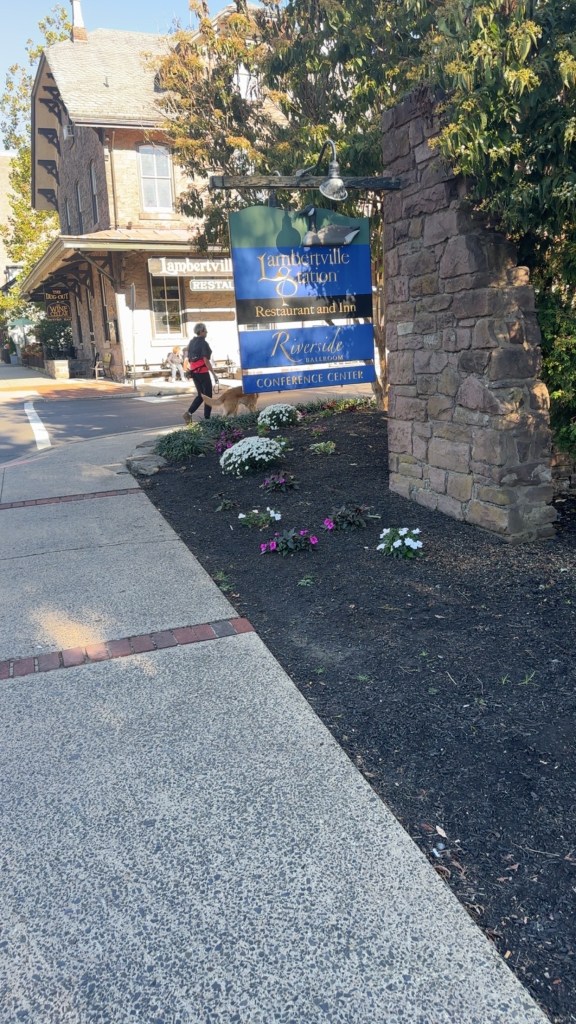
Crossing into Lambertville, I let my feet guide me. No itinerary. No pressure. I window-shopped, smiled at strangers, and admired the canal’s stillness. As the sun dipped low, I returned to Yardley for dinner at Vault Brewing. Sitting there, hearing the laughter of nearby tables, I didn’t feel alone—I felt whole. This birthday wasn’t extravagant, but it was mine. Every second of it.
Day 3: Rocks That Ring and Quiet Retreats
I had breakfast at Pretty Bird Café, then took a leisurely stroll around the area. I visited Panna and picked up a few sweet treats for later. Then I drove through winding roads to Upper Black Eddy and checked into my next Airbnb, a peaceful spot nestled in nature’s quiet. It felt like a transition point. The drive there was filled with reflection. It was a shift from celebration to contemplation.
Later, I drove to Ringing Rocks Park and spent the afternoon walking among boulders that literally sing when struck. Nature has its poetry, and that day, it was loud and clear.
Dinner was takeout from The Narrows. I wrapped up the evening with a movie, warm socks, and snacks. My heart felt quiet and filled.
Day 4: Riding into My Next Chapter
My final morning began with the New Hope Railroad. I booked a first-class ride on the Lahaska line, complete with a mimosa and warm pretzel. Riding through the fall foliage felt symbolic, like I was quietly celebrating the journey I’d taken to get here. The train creaked along slowly, and I stared out the window, tears welling in my eyes, not from sadness, but from the depth of appreciation.
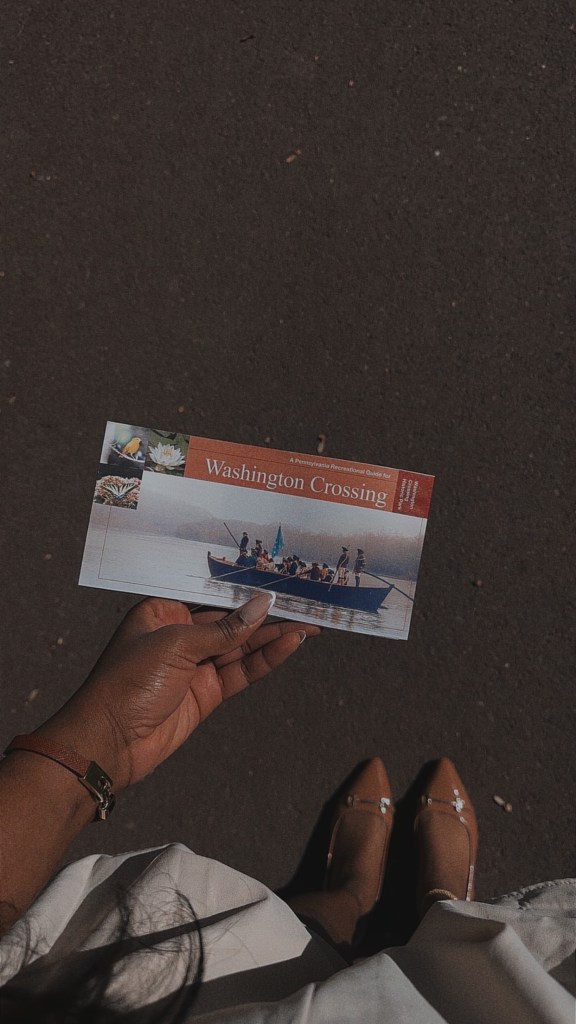
Before heading home, I stopped by Washington Crossing Historic Park to wander through the exhibits. As I made my way back home, it felt like I had gathered pieces of myself from every stop.
Closing Thoughts
There’s something powerful about choosing yourself. Something about intentionally creating space to reflect, celebrate, and reset. This solo birthday wasn’t extravagant. It was rich. Every sip of wine, every crunchy leaf underfoot, every silent moment under the sky felt like a love letter to the woman I’m becoming. This trip was more than a birthday celebration. It was a love letter to the parts of me that needed rest, recognition, and renewal. Each place I visited offered a mirror: the tower reminding me of my strength, the railroad inviting me to trust the journey, the ringing rocks reminding me that even the hard things can sing.
If you’ve never taken yourself on a solo trip, I highly recommend it. Even just a few days can change everything. You deserve to witness your own unfolding.
Question for You: Have you ever taken a solo birthday trip or retreat? What did it teach you about yourself? What would it look like to carve out space to celebrate you—on your terms?
With a grateful heart, Abby
View from Bowman’s TowerThe night before 30Nektar Wine BarLambertville,NJPretty Bird CoffeePannaLoved this AirBnb in Upper Black EddyRinging RocksCocktail menu on the Lahaska LimitedMimosaNew Hope RailroadWashington Crossing Pamphlet Pure blissNJ/PA BorderPeace
After stepping away from writing for a while, I found myself stirred by God to return and share what He’s been teaching me. This post is a reflection on faith, surrender, and the courage it takes to step into your calling. If you’ve ever struggled with self-doubt or felt unworthy of God’s blessings, this is for you. It’s a gentle but bold reminder: you are seen, you are chosen, and it’s your time to receive fully and unapologetically.
It has been quite some time since I last posted. I lost all the passion I had for writing, but I kept the page active in the hope that it would still reach and impact those who might come across it. Today, something stirred in my spirit, and I hopped back on to share a few insights. I hope they speak to your heart.
Saying “yes” to God requires dying to the flesh and surrendering your own desires, comforts, and even your fears. God knows exactly when and how to get our attention. And while the road hasn’t always been smooth, I can say with full confidence that I have no regrets. This has been the most beautiful and transformative journey I’ve ever walked.
This post is for the one who has dimmed their light so others can shine. For the one who feels more comfortable on the sidelines than in the spotlight. For the one who has accepted mediocrity because excellence felt too heavy. For the giver who forgets how to receive. For the one who’s afraid to step into all God has called them to be.
For a long time, I thought God had forgotten me. I thought my prayers were unanswered and that I would always be the one left with the short end of the stick. But, friend, that couldn’t be further from the truth.
Psalm 34:18 reminds us, “The Lord is close to the brokenhearted and saves those who are crushed in spirit.”
And in Deuteronomy 31:8 and Hebrews 13:5, we are reminded that He will never leave us nor forsake us. In our highest highs and lowest lows, God is there.
So, what does this have to do with dimming our light?
When you never put yourself first, whether out of humility or fear, you begin to lose the boldness to receive when God declares it’s your turn. Years of timidity and self-shrinking conceal the very person God created you to be. And make no mistake, Satan thrives in our unawareness. The less we know about who we are and what we carry, the easier it is for him to distract and deter us.
A beautiful sister in Christ and fantastic mentor reminded me today: Be unapologetic about receiving what God has in store for you. Step boldly.
That moment awakened something in me.
As she spoke, I saw myself like a turtle, retreating into its shell. Turtles do this for protection from predators, as a defence mechanism, or to conserve energy, only sticking my head out to test the waters. But a turtle can’t get where it needs to go if it stays in the shell. That’s how I’ve approached God’s blessings: cautiously, with one foot in, one foot out. That ends today.
To whoever needs this: It’s your time. Receive it. Walk in it.
I’ll relay the words that were spoken over me today: Let the Lion of Judah rise within you. Forget the voices of the naysayers and fix your focus on the One who called you. Let Him free your mind from the guilt of wanting more for yourself. Let Him break the chains of mental strongholds and self-doubt.
“The enemy comes to steal and kill and destroy.” John 10:10
Don’t let him steal what’s already yours. Don’t let him convince you that blessings aren’t for you. Don’t let him win. You’ve fought too hard, prayed too long, cried too many tears. You carry oil that came at a cost. It’s yours and no one else’s.
So, I ask you: Will you squander the blessings when they come, or will you partner with the Holy Spirit and steward them well? The choice is yours. But I pray that today, something shifts inside you, just as it did in me. I pray that this message reaches those who need it most.
I pray it frees your mind, renews your boldness, and reminds you of this simple truth: You are called. You are chosen. And yes, you are ready.
The Advent series concludes with a reflection on love, emphasising its divine nature, exemplified by Jesus’s birth. True love is derived from God and challenges worldly definitions.
When I decided to do an Advent series, I realised it would summarise everything I had discussed since starting this blog. I won’t go in-depth to end the series because I already have a post dedicated to the last theme: love.
I went to church on Christmas day, and during his homily, the priest said something that stuck with me. I can’t recall precisely who he quoted, but he said that Jesus’s birth and life were God’s love personified. I felt such comfort after hearing it.
For God so loved the world, that he gave his only begotten Son, that whosoever believeth in him should not perish, but have everlasting life. -John 3:16
We probably all know John 3:16. It has been imprinted in my brain since childhood. Jesus’ birth fulfilled God’s promise of a Saviour. I want you to picture someone filled with so much love for you that they would give you something so precious to them for your sake. Is that not beautiful to think about? God sets the standard for what love truly is. It comes as no surprise that love is a fruit of the Spirit. In fact, these last two weeks’ themes of peace and joy are also gifts of the Spirit. God is so intentional.
We have the world’s definition of what these three things should be, but they will never come close to what God intended them to be for us. Without the knowledge of God, I can guarantee that we only grasp fleetingly what we think love, joy, and peace are.
That said, here is the love God calls us to embody.
How can you show God’s love to someone today? Let me know in the comments below.
During the third week of Advent, we recognise joy stems from God and inner satisfaction, unlike temporary happiness influenced by circumstances. Despite life’s challenges, joy remains constant. Joy and peace coexist, guiding us to find strength beyond external situations.
What if I told you money can buy happiness? Would you believe me? For the third week of Advent, we celebrate joy. We look with joy for the coming of Jesus. Throughout the scriptures, we see a clear theme of joy. Joy, however, is not to be confused with happiness. Let’s delve deeper into this.
There is a misconception that joy and happiness are the same thing. They are not. Happiness is circumstantial. It is dependent on what is happening around us. Joy, on the other hand, comes from the Lord. It is a gladness of the heart that can only be attained from knowing God and being filled with the Holy Spirit.
Joy versus Happiness
We have all heard, “Money cannot buy happiness.” Well, money can, in fact, buy happiness. Happiness is a fleeting emotion awoken by excitement and exhilaration. It’s that feeling we get when we bite our favourite dessert. It’s that feeling of being on cloud nine when things are going right. Going right. Those are the keywords here. Happiness is temporary.
Joy is a long-lasting feeling that does not rely on what is happening around us. It is long-lasting because it comes from a state of satisfaction with life. It comes from a knowledge of God, and with that knowledge brings comfort, satisfaction and a sense of purpose.
Have you ever wondered why people in the most dire situations seem to have this radiance that exudes from them? They’re not worried but rather happy just being. That’s joy. Isn’t it beautiful? I found myself many times this week quoting James 1:2, which says, ” Consider it pure joy, my brothers and sisters, whenever you face trials of many kinds”. I felt irritation brewing beneath the surface whenever I faced any difficulty, but repeating this verse helped shift my mood.
As I wrote this, it made me think of Romans 8:28, ” And we know that in all things God works for the good of those who love him, who have been called according to his purpose”. I love it when Bible verses click with each other. It doesn’t matter if life does not mirror what we want it to be. It doesn’t matter if we’re doing the most mundane of tasks or are stuck at a job we absolutely hate. Why? Because we know God is working all things out for our good.
Peace as a Catalyst for Joy
We discussed peace last week. Peace and joy go hand in hand. Peace, too, does not rely on our circumstances. With peace comes joy. We can marvel at our day-to-day lives despite everything falling apart. Circumstances should not dictate our feelings and behaviour, but this is common today.
“When they saw the star, they rejoiced with exceedingly great joy.” Matthew 2:10
The three wise men rejoiced joyfully after seeing the star after Jesus was born. Why didn’t it say they rejoiced happily? Jesus came to fulfil prophecy, so back then, Jews were waiting expectantly for this to come to pass. When the star appeared, the wise men realised that the day had finally come. They weren’t filled with happiness because the Saviour of the Jews had been born. The Saviour for generations to come. It was a promise for all time. This knowledge of God’s promise brought joy and inner peace.
So, how do we find joy in a world filled with chaos? We can start by showing gratitude. Gratitude goes a long way in centring and keeping us grounded. What’s one thing that you are grateful for today? At this very moment, I am grateful for the moments this week when I should have crashed out, but I relied instead on the Holy Spirit to fill me and take over. I am grateful for perseverance.
Call to action:
As we close out the third week of Advent, start today by viewing life differently. Things may not be how we expect them to be, but today is preparing us for tomorrow. Be in the moment. Ask the Lord to help you steward each day to the best of your ability. Pursue activities that bring you fulfilment. Be thankful for the trials that come your way. Learn all you have to, and don’t forget to be joyful through it all.
Share your experiences with joy and happiness in the comments below.
Hope isn’t just about anticipation but confidence and assurance in God’s promises. Like Peter stepping out onto the water, hope requires faith, even when the storms of life rage around us. It’s not always easy, but it’s always worth it.
In last week’s post, I mentioned that hope stood out as one of the themes shared during a service at The Church of Jesus Christ of Latter-day Saints. This insight could not have been timelier, as December 1st marked the first Sunday of Advent—a season traditionally focused on hope, joy, peace, and love. Over the coming weeks, I’ll be exploring these four themes. Let’s begin with hope, a virtue often elusive when life’s storms rage around us.
Hope and Advent: A Season of Expectation
Advent is a season of waiting—waiting for the arrival of Christ. It’s a time filled with anticipation, reminding us that we can trust God’s promises no matter how dark or uncertain our circumstances feel. Hope is like a steady anchor, holding us firm as the winds of doubt and discouragement blow through our lives. It’s not a shallow optimism but a profound confidence that God is who He says He is and that He will fulfil His Word in His perfect timing.
Reframing Faith: Confidence and Assurance
In last week’s post, hope was a central theme at the church service I attended. This directly set the stage for the Advent journey. Reflecting on Hebrews 11:1, I noticed how different translations of the Bible highlight subtle nuances. The NIV says, “Now faith is confidence in what we hope for and assurance about what we do not see,” the KJV phrases it as, “Now faith is the substance of things hoped for, the evidence of things not seen.” Both share the same truth, yet the words “confidence” and “assurance” jump out and invite us to see faith not as wishful thinking but as a grounded, unwavering trust in God’s promises.
Hope flourishes in this environment of faith. Where there is genuine faith, hope takes root. It is nurtured by confidence and watered by assurance that God’s plan stands secure, even when our physical eyes can’t see the outcome.
Doubt vs. Confidence: The Battle for Our Focus
A few days before I revisited Hebrews 11:1, I encountered a thought-provoking interpretation of why Peter began to sink while walking on water. We commonly say it’s because he took his eyes off Jesus and focused on the storm. But the reminder in that video was that Jesus specifically asked Peter, “Why did you doubt?” Doubt—not just distraction—was the core issue.
Doubt is the opposite of confidence. It comes in many forms: insecurity, fear, and worry. It feeds on uncertainty and tries to convince us that we’re not enough, that God won’t show up, and that the storms are too big to overcome. When we listen to doubt, we shift our gaze from the Savior before us to the waves rolling beneath us. The moment we entertain these lies, we start sinking. Not because Christ is absent but because we’ve let go of hope and faith—our lifelines.
What We Think Shapes Who We Become
Scripture reminds us that as we think, so we become (Proverbs 23:7). When we allow unresolved pain to shape our perspective, accountability can feel like judgment, correction feels like an attack, and compliments breed suspicion. Unaddressed pain and deception go hand-in-hand, closing our eyes to God’s truth.
Doubt uses the storms of life to sway our thinking, leading us to believe that stepping out in faith is futile. But here’s the paradox: the miracles of God don’t happen in the boat of our comfort or certainty. Much like Peter, we must step out onto the water for miracles to occur. True breakthroughs often come when we leave the safety of the shore and trust God’s leading, even if it means standing on seemingly impossible ground.
Hope as a Shield Against Discouragement
During Advent, we remember Christ stepping into our world, fulfilling prophecies and bringing a hope that transcends every circumstance. This truth stands firm whether we’re facing financial hardship, relational struggles, or spiritual dryness. Hope doesn’t deny that challenges exist; it simply refuses to be defined by them. Instead, it reminds us that God’s faithfulness is never in question and that every difficulty is an opportunity to see Him work.
Doubt wants us to mistake the temporary storm for a permanent defeat. But hope, anchored in faith, declares that the storm will pass and God’s goodness will remain. As the saying goes, “Worry is a down payment on a problem you may never have.” Hope teaches us to pay into God’s promises instead of the enemy’s lies, letting faith shape our outlook rather than fear.
Choosing Faith Over Doubt
We can’t always control our circumstances, but we can control our response. Faith is a choice, just as much as doubt is. Faith chooses to believe that God’s character is trustworthy. Hope springs from faith’s decision to trust His timing and purpose. Together, they help us see beyond the storm to the One who calms it with a word.
As we reflect on hope this Advent season, remember that faith is our confidence, and hope is our assurance. God has never failed His people and won’t start with us. Our part is to refuse doubt’s nagging lies and choose to trust in the God who never wavers.
Reflection Questions:
In what areas have you struggled with doubt instead of hope?
How can you practice shifting your focus from life’s storms back to Jesus this Advent season?
What’s one practical step you can take today to nurture confidence and assurance in God’s promises?
Call to Action:
This week, pray asking God to help you identify areas of doubt in your heart. Invite Him to replace them with confidence and assurance. Write a journal entry about a storm you’re currently facing, and write down a Scripture that reminds you of God’s faithfulness. Let hope, not doubt, shape your perspective as we journey through Advent together.
Holiness calls us to live set apart, while gratitude shifts our hearts to recognise God’s hand in every moment. Together, they transform our perspective, helping us grow closer to God and embrace His purpose for our lives—even in the unexpected.
Sometimes, the plans we make for ourselves take an unexpected turn, leading to a divine encounter we didn’t even realize we needed. That’s precisely what happened the other day when I had the opportunity to visit The Church of Jesus Christ of Latter-day Saints in Naperville, Illinois.
What began as a simple outing turned into a moment where God’s timing and purpose became undeniable. My friend and I were outside taking photos in the cold when two men approached us, offering to take a picture of us together. Afterwards, they introduced themselves as missionaries and invited us to attend their church. Without hesitation, we accepted. They prayed for us before leaving, and we parted ways with that simple commitment.
Although I’d initially planned to attend Mass at a Catholic church that Sunday, I felt an undeniable push to accept their invitation. As it turned out, their invitation aligned perfectly with God’s plan for me that day.
A Warm Welcome and a Timely Message
Sunday morning arrived, and my friend and I went to the church. We were met with warmth and hospitality from the moment we stepped through the doors. The first person we saw—a man sitting on a bench with a baby—greeted us with a genuine smile, setting the tone for the entire experience. Everyone we met was welcoming and kind, creating an atmosphere that felt like home.
The service that day was centred on hope, and while deeply moved, I’ll save that discussion for next week’s post. At the end of service, they split into groups alternating between Sunday school and men’s and women’s studies each week. That day, it just so happened to be the latter. The study that day was on two themes: holiness and gratitude. Both topics spoke deeply to my heart, reminding me of the transformative power of these virtues in our walk with God. Sitting there, I couldn’t help but feel this was exactly where I was meant to be.
Holiness: A Call to Set Apart
Holiness is often associated with being “set apart” for a divine purpose. In a world that constantly pulls us in different directions, striving for holiness means choosing to live in alignment with God’s will and allowing Him to shape our character and purpose.
The study that day emphasized that holiness isn’t about perfection but about our willingness to draw closer to God. 1 Peter 1:15-16 says, “But just as He who called you is holy, so be holy in all you do; for it is written: ‘Be holy, because I am holy.'” This scripture is a reminder that holiness begins with our daily choices— faith over fear, love over resentment, and gratitude over entitlement. An interesting question was put out for us to ponder. Is holiness a mindset or a task on a to-do list? I kept thinking that it’s both, but it requires intentionality. What was the next slide? Holiness requires intentionality. The Spirit was moving! I wanted to slap myself for not speaking up. Ha! Holiness is about setting aside time for God, seeking Him through prayer, scripture, and reflection, and allowing His presence to sanctify our lives. It’s a process, not a destination, and each step brings us closer to reflecting His image. One of the women said it’s seeing God in the most mundane tasks, such as doing laundry.
Gratitude: A Heart Aligned with God
The second theme, gratitude, is equally powerful. Gratitude is more than simply saying “thank you” for blessings; it’s a posture of the heart that recognizes God’s hand in every circumstance. Even in difficult seasons, cultivating gratitude allows us to see how God works for our good.
1 Thessalonians 5:18 reminds us, “Give thanks in all circumstances; for this is God’s will for you in Christ Jesus.” Gratitude transforms our perspective, helping us to focus on what we have rather than what we lack. It shifts our hearts from complaining to praising, from worry to trust.
During the study, I was struck by how closely linked holiness and gratitude are. Holiness calls us to align our lives with God’s will, and gratitude helps us recognize His presence at every step of that journey. Together, they create a cycle: the more grateful we are, the more we see God’s holiness at work in our lives, and the more we pursue holiness, the more we find reasons to be grateful.
God’s Plan vs. Our Own
Reflecting on that day, I can’t help but marvel at how perfectly God orchestrated everything. If I had stuck to my original plan, I would have missed out on an opportunity to experience this community and the holiness and gratitude message that resonated deeply with me. It’s a reminder that God’s plan often takes us where we least expect but always where we need to be. I spoke about it here.
We often make plans based on what feels comfortable or logical, but Proverbs 16:9 tells us, “In their hearts humans plan their course, but the Lord establishes their steps.” Trusting God’s plan requires humility and faith, often leading us to places of growth, transformation, and unexpected blessings.
Embracing Holiness and Gratitude in Everyday Life
As I left the church that day, I felt a renewed sense of purpose, inspired to carry the lessons of holiness and gratitude into my daily life. Here are a few ways we can all cultivate these virtues:
Make Time for God: Dedicate daily moments to prayer, scripture reading, or simply sitting in God’s presence. Holiness starts with spending time with the One who makes us holy. Elder Wilson and Dishman, the missionaries we encountered, left us with this: CPR—Church, Praise, and Reading the Scripture.
Practice Gratitude Daily: Write down three things you’re grateful for daily. This simple habit can shift your mindset and help you focus on God’s blessings, even in tough times.
Live with Intention: Strive to make choices that align with God’s will. Whether it’s how you treat others, manage your time, or respond to challenges, let your actions reflect a heart set apart for Him.
Look for God’s Hand in the Unexpected: Be open to divine interruptions. Sometimes, life’s detours are where God’s greatest lessons and blessings are found.
Conclusion: A Divine Encounter
That visit to the church wasn’t just about accepting an invitation; it was a reminder of how God works through others to draw us closer to Him. The themes of holiness and gratitude were precisely what I needed to hear, and they left a lasting impact on my heart.
If you feel the nudge to step out of your plans and trust God’s direction, I encourage you to follow it. You never know where He might lead you or how it could transform your perspective. Holiness and gratitude are not just virtues to aspire to—they are pathways to experiencing the fullness of God’s love and purpose.
Reflection Questions:
How can you create space for holiness in your daily life?
What are three things you’re grateful for today, even in challenging circumstances?
Have you experienced a moment where God redirected your plans for something greater?
Call to Action:
Take some time this week to reflect on areas where you can pursue holiness and gratitude.
Whether you set aside time for prayer or simply thank God for the small blessings, invite Him to transform your perspective.
Share your thoughts or experiences in the comments below—let’s encourage one another to walk in faith and thankfulness!
When faced with challenges, quitting can seem appealing. Yet, perseverance is essential for achieving meaningful goals. Doubt and fear of failure often hinder progress; the key lies in developing habits that foster resilience. Embrace small steps, seek support, and remain patient, understanding that success requires time and effort. Keep moving forward.
Have you ever started something meaningful, only to find yourself ready to quit as soon as things got tough? The discomfort feels unbearable, the progress seems slow, and the voice in your head whispers, “Maybe this isn’t worth it.” It’s easy to retreat, to fall back into what’s comfortable, and to let doubt win. But what if I told you that those moments of struggle are where breakthroughs begin—and quitting is precisely what the enemy wants you to do?
In this post, we’ll explore why it’s so tempting to give up when the road gets hard, how to silence the lies of insecurity, and how building resilience through habits can help you keep moving forward, even when the journey feels overwhelming.
The Lies That Lead to Quitting
One of the enemy’s greatest tactics is filling our minds with lies—subtle whispers of doubt, insecurity, and fear that cloud our vision and make us question whether we’re capable. When you start working toward a God-given purpose, the devil doesn’t sit idly by. He doesn’t attack plans that aren’t significant; he focuses on those with meaning, those aligned with God’s will.
One of the enemy’s biggest lies is that “you’re not enough.” Insecurity blinds us to the victories we’ve already won. You might be making progress, taking steps forward, and achieving things you once prayed for—but insecurity makes it hard to see these wins. Instead, you focus on what’s left to accomplish, magnifying your flaws and mistakes. The enemy plants doubt to make you think you’re not succeeding when, in fact, you are. If you give in to these lies, you risk slipping back into the comfort zone where he wants you, mistaking temporary relief for true healing.
Remember this: failure is not defeat; quitting is. The enemy knows that if he can make you quit, he wins. But when you persevere, even in the face of failure, you’re stepping into God’s purpose for your life.
The Fear of Failure: A Bigger Obstacle Than Failure Itself
Have you ever noticed how the fear of failure is often worse than failure itself? The anticipation of what might go wrong keeps us paralyzed. We play out worst-case scenarios in our minds, convincing ourselves that the risk isn’t worth it. But here’s the thing: failure isn’t the end—it’s part of the process.
“I have not failed. I’ve just found 10,000 ways that won’t work.” -Thomas Edison
The fear of failure stops us from trying, robbing us of opportunities to grow and learn.
Proverbs 24:16 encourages us with this truth: “For though the righteous fall seven times, they rise again.” Falling isn’t the issue—it’s staying down that holds us back. What matters most is your willingness to get back up and keep going.
Are You Under Attack or Stuck in a Habit?
When things get tough, it’s easy to feel like you’re under attack. And sometimes, you might be. The enemy often targets areas of your life that are tied to your God-given purpose. But not every obstacle is an attack; some challenges are the result of habits we’ve developed over time.
Ask yourself:
Am I under attack, or am I stuck in a habit?: If you find yourself quitting every time things get hard, it might be a pattern, not a spiritual battle. Quitting becomes a habit when we let discomfort dictate our actions. The good news is that habits can be broken and replaced with healthier ones.
Am I constantly running when things get hard, or is this a rare instance?: It’s important to evaluate your response to challenges. If quitting is your go-to response, it’s time to create new habits that help you push through instead of giving up.
Building Habits That Cultivate Perseverance
If habits are what’s holding you back, the key to overcoming them is intentionality. Perseverance isn’t a trait you’re born with—it’s a skill you develop over time. Here are some steps to help you build habits that foster resilience:
1. Focus on the long-term reward. Good things take time, and nothing worth having comes easily. Shift your perspective from immediate discomfort to the long-term benefits of staying the course. Galatians 6:9 reminds us, “Let us not grow weary in doing good, for at the proper time we will reap a harvest if we do not give up.” Trust that your hard work will pay off in God’s perfect timing.
2. Replace negative self-talk with truth. When doubt creeps in, counter it with God’s promises. Write down affirming scriptures like Philippians 4:13, “I can do all things through Christ who strengthens me,” and repeat them when you feel like giving up.
3. Take small, consistent steps. Big goals can feel overwhelming, but breaking them into smaller, manageable steps makes them achievable. Celebrate each small victory along the way as a reminder of your progress.
4. Surround yourself with support. Remember, you are not meant to do this alone. Community is essential when you’re striving for growth. Surround yourself with people who encourage you, pray for you, and hold you accountable when you feel like giving up. Ecclesiastes 4:9-10 reminds us, “Two are better than one… If either of them falls down, one can help the other up.”
5. Pray for strength and discernment. When you feel weak, turn to God for the strength to keep going. Ask Him to help you discern whether your struggle is an attack or a habit and to guide you toward perseverance. James 1:5 promises that God gives wisdom generously to those who ask.
Time Will Tell: The Power of Patience
Success doesn’t happen overnight; healing, growth, or achieving a goal requires patience. It’s easy to feel discouraged when progress feels slow, but time will tell. Consistency and persistence over time reveal the fruit of your labour.
When you feel like quitting, remind yourself why you started. Is your goal aligned with a greater purpose? Is the discomfort you’re feeling now worth the reward that’s waiting on the other side? Trust the process, and know that every step forward—no matter how small—is progress.
Conclusion: Choosing to Persevere
Quitting might feel easy in the moment, but the cost of giving up is far greater than the discomfort of perseverance. The devil wants you to quit because he knows what’s on the other side of your persistence: victory, growth, and purpose. When you feel like giving up, remember that failure isn’t the end—quitting is.
Ask yourself:
Are you under attack, or are you stuck in a habit?
Are you letting fear hold you back, or are you willing to trust God and take the next step?
When the lies creep in, counter them with the truth. When insecurity tries to blind you to your victories, remind yourself how far you’ve come. The journey may be challenging, but good things take time, and something worth having comes with effort.
Reflection Questions:
Are there areas in your life where you’ve been tempted to quit because of discomfort or fear?
What habits might be holding you back from persevering through challenges?
How can you start building habits that encourage resilience and persistence?
Call to Action: This week, identify one area where you’ve been tempted to quit. Instead of giving up, take one small step forward and invite God into your journey. Share your thoughts or experiences in the comments—let’s encourage one another to keep moving forward!
Life’s storms can be chaotic or internal, often intended to redirect us toward God. The biblical story of Jonah exemplifies this, illustrating how resistance to divine purpose can lead to turmoil. By recognising and inviting God into our struggles, we can find healing and restoration instead of remaining trapped in discomfort or past trauma.
Life is filled with unexpected storms. Sometimes, they feel like pure chaos—an unexpected job loss, a broken relationship, an overwhelming season of doubt and confusion. Other times, the storms we face are quieter and more internal, like reliving old traumas or revisiting painful memories we thought we’d buried long ago. But what if these storms serve a deeper purpose? What if some storms were created to redirect us back to God?
Just as Jonah experienced in the Bible, certain storms can be a call to turn back to God and invite Him into the areas of our lives that we’ve tried to keep hidden or control on our own. However, it’s up to each of us to discern the nature of the storm we’re facing and decide whether we’re willing to invite God into the change He’s calling us toward.
The Story of Jonah: When the Storm is a Call to Turn Back
The story of Jonah offers a clear example of a storm designed to redirect. Jonah was a prophet called by God to go to Nineveh and deliver a message. But instead of following God’s call, Jonah ran in the opposite direction, boarding a ship to Tarshish to avoid his responsibilities. As Jonah fled, a mighty storm arose, terrifying the sailors on board. They quickly realized that the storm was no ordinary event—it was a divine intervention meant to stop Jonah and force him to confront his actions.
In Jonah 1:4-5, we read, “Then the Lord sent a great wind on the sea, and such a violent storm arose that the ship threatened to break up.” This storm wasn’t random; it was specifically sent to redirect Jonah back to God’s purpose for him. And while Jonah initially resisted, it wasn’t until he surrendered and accepted God’s call that the storm subsided, and his journey took him to Nineveh, where he fulfilled his purpose.
Sometimes, the storms we face in life are God’s way of calling us back. They disrupt our plans, challenge our comfort zones, and bring us face-to-face with the areas of our lives that we’ve been avoiding. These storms are not meant to harm us but to wake us up to the life and purpose God has designed for us.
“Don’t Get Accustomed to the Pig Pen”
I heard something the other day, and it stuck with me. “Don’t get accustomed to a pig pen when God has been calling you home for years.” This made me realise how important it is for us not to settle for less than what God has planned. In the story of the prodigal son, we see this vividly. The son had everything he could have needed in his father’s house but chose to leave, wasting his inheritance and ending up in a pig pen, feeding animals and struggling to survive. He became so accustomed to the dirt and poverty of his situation that he almost forgot there was a way back home.
But when he finally recognized his brokenness, he realized that even the servants in his father’s house were better off than he was. Only then, in humility, he turned back to his father, who welcomed him home with open arms. Luke 15:17-20 reminds us that the father was waiting, ready to restore his son despite everything.
How often do we settle into places of hardship, shame, or unhealed pain, allowing them to become our “normal”? We stay in the pig pen of unresolved trauma, lingering guilt, or a lack of purpose, forgetting that God is calling us back, ready to lead us into restoration. God has always been waiting and willing to bring us into His presence, but we need to be willing to get up, turn back to Him, and allow Him to do the work He wants to do in us.
Are You Inviting Change or Fighting It?
God is always working in our lives, seeking to mould us into the people He created us to be. But it’s all too easy to resist the changes He wants to make. Sometimes, we hold on tightly to our comfort zones, even if they’re places of pain or dysfunction, simply because they’re familiar. The question is, Are you inviting the changes God is actively doing, or are you fighting them?
Inviting God into these problematic areas of our lives means releasing control. It requires humility, a willingness to admit we don’t have all the answers, and a readiness to surrender to His will. On the other hand, fighting change keeps us stuck in cycles of pain, never moving forward and never allowing God to work entirely in us.
Reliving Trauma and Past Hurts
One of the biggest barriers to embracing God’s transformation is the trauma and pain we’ve buried rather than healed. We may tell ourselves that we’ve moved on and “brushed it under the rug,” but deep down, unresolved hurt continues to affect us. The unhealed wounds in our hearts can manifest in anger, fear, insecurity, or even unhealthy habits. I know this all too well. I also know how hard it can be to confront, but the reward and freedom waiting on the other side is worth facing those wounds.
God, however, doesn’t want us to carry these burdens alone. Psalm 147:3 reminds us, “He heals the brokenhearted and binds up their wounds.” When we allow God into our past hurts, He can bring healing that goes beyond anything the world can offer. But to heal, we have to be willing to feel and confront the pain instead of numbing it or hiding from it.
If we never allow ourselves to process these traumas, they continue to resurface, and we may end up reliving them in different forms throughout our lives. God is ready to step into those painful memories to help us face and heal from them. But it’s up to us to invite Him in.
How to Discern the Storm You’re In
Not every storm we face is designed to bring us back to God; some are life’s trials and opportunities for growth rather than redirection. So, how do we discern the nature of the storm we’re in?
Pray for Wisdom: James 1:5 tells us, “If any of you lacks wisdom, you should ask God, who gives generously to all without finding fault, and it will be given to you.” When you’re facing a storm, ask God to reveal its purpose. Is it a call to change direction or a trial meant to strengthen your faith?
Examine Your Heart: Take a close look at your life. Are there areas where you’ve been running from God? Are there sins or unhealed wounds that you’ve avoided dealing with? Sometimes, storms are a direct result of unresolved issues we need to face.
Seek Wise Counsel: Trusted friends, family, or spiritual mentors can often offer perspectives we might miss on our own. Reach out to those who can help you discern God’s work in your life.
Look for Patterns: If you repeatedly face the same challenges, it could be a sign that God is trying to get your attention. Please don’t ignore the pattern; consider whether it’s a call to change course.
Inviting God Into Every Part of Your Life
God is not just interested in the “easy” parts of your life; He wants to be invited into every corner, including the messy, complicated, and painful places. The areas you’re afraid to confront or the parts of yourself you wish you could forget—God wants to bring healing there, too.
When we open ourselves to God’s work, we allow Him to take what’s broken and make it whole. It’s about surrender, about saying, “Lord, I don’t want to keep running or hiding. I need You to work in this area.” And as difficult as it may be, this surrender is where true transformation begins.
Psalm 34:18 promises us that “The Lord is close to the brokenhearted and saves those who are crushed in spirit.” God’s presence brings hope, healing, and restoration, but He waits for us to open the door and let Him in.
Conclusion: Choosing Restoration Over Comfort
In life, there are moments when we must decide between staying in our comfort zones and choosing to let God transform us. Some storms disrupt our lives to push us back into God’s arms, while others reveal the changes we need to make to grow. It’s up to us to discern the storm and decide whether we’ll invite God into the process or resist the transformation He’s offering.
Don’t get accustomed to the pig pen when God has been calling you home for years. Don’t let unresolved pain keep you stuck when God is ready to heal your wounds. Instead, allow every storm to drive you closer to Him, trusting that even the most painful seasons can lead to incredible growth and restoration.
Reflection Questions:
Are there any areas of your life where you’ve been running from God’s call to change?
What unhealed wounds or past traumas are you still carrying, and how can you begin to invite God into those spaces?
How can you begin discerning whether the storms in your life are for redirection or growth?
Call to Action:
Take time this week to pray and reflect on any “storms” you’re currently facing.
Ask God to show you if they’re meant to redirect you, to encourage growth, or to help you heal unresolved pain.
Invite Him into those areas and trust that He will work in ways that bring you closer to His love and purpose for your life.
In a world of quick fixes, fleeting comforts can be deceptive, masking deeper issues. True healing requires facing painful truths and aligning with God’s guidance instead of succumbing to superficial pleasure. Discernment is crucial in recognising God’s lasting blessings versus temporary distractions that hinder growth. Embrace the challenging journey toward transformation.
Have you ever wondered if the things that bring you comfort might actually be keeping you from peace? In moments of pain, it’s easy to reach for whatever brings quick relief—a distraction, a habit, or a relationship. But what if those comforts are really traps in disguise? When you believe the lies for so long, they become a comfort, and the truth becomes a threat. Sometimes, what feels like a “blessing” at the moment is actually sabotage, leading us away from genuine healing.
In this post, we’ll examine the difference between temporary fixes and real transformation, examining whether our choices are drawing us closer to God’s love or keeping us stuck in self-sabotage. Are you in a safe space, or are you sabotaging your own future? Let’s find out.
Bandaids on Bullet Holes: The Trap of Temporary Fixes
When we turn to fleeting pleasures—excessive drinking, drugs, impulsive relationships, or anything that compromises our integrity—we’re not finding relief; we’re numbing the pain temporarily. It’s like putting a bandaid on a bullet hole. Sure, it might dull the pain, but it doesn’t heal the wound. In fact, it often makes things worse by keeping us from the truth.
When you believe the lies for so long, they become a comfort, and the truth becomes a threat. We might start to feel like these temporary pleasures are all we have, but the truth—God’s truth—invites us to dig deeper. It challenges us to face the pain we’ve been hiding from. And here’s a reality check: You’re not healing if you’re not evolving and growing, and you can’t heal what you won’t feel.
John 10:10 warns us, “The thief comes only to steal and kill and destroy; I have come that they may have life and have it to the full.” When we cling to what the world offers to soothe us, we’re often choosing sabotage over safety. It may feel comforting at first, but anything that keeps us from healing only sets us up for more heartache.
Safe Spaces vs. Sabotage: Are You Growing or Staying Stuck?
When life gets tough, we tend to seek comfort in the familiar, even if that familiarity isn’t good for us. We turn to old friends, familiar habits, or activities that make us feel safe, even if they aren’t aligned with God’s best for us. But are these things helping us grow or keeping us stuck?
Consider the people you’ve surrounded yourself with and the behaviours you’re engaging in. Are they pushing you to embody the fruits of the Spirit—gentleness, self-control, patience? Or are they pulling you toward the fruits of the flesh—anger, envy, selfishness? True healing, the kind that comes from God, doesn’t come wrapped in rainbows and instant relief. It’s a process often marked by what the Bible calls “long-suffering” or enduring patience, and it involves facing some hard truths about ourselves.
This process isn’t easy. Healing is messy; it requires patience and vulnerability. It’s looking in the mirror and seeing every habit and weakness staring back at you in bold letters. You can’t heal what you won’t feel, and often, God brings us face-to-face with our pain so we can work through it. Sure, it might feel safer to run, to numb, to avoid the reflection. But who said healing was easy?
The Pain of Healing: Looking in the Mirror
Real healing isn’t a magic spell; it’s more like peeling back layers, facing every flaw, every habit, and every scar. When we turn to God for healing, He shows us the ugliest parts of ourselves—not to shame us, but to transform us. By acknowledging these things, we invite God to turn our brokenness into something beautiful.
This requires bravery. It means choosing to face the truth over comforting lies. You’re not healing if you’re not evolving and growing—healing is a journey that requires active participation, and sometimes, that means sitting with the uncomfortable truths about ourselves. By inviting God to transform us, we allow ourselves to be freed from lies we’ve believed for too long, lies that kept us comfortable but stagnant.
Take a look at your life. Are you growing and evolving, or have you settled into patterns that bring temporary pleasure but no real healing? When God calls us to true healing, He asks us to examine our hearts closely and invite Him into our struggles. Psalm 139:23-24 is a powerful reminder of this: “Search me, God, and know my heart; test me and know my anxious thoughts. See if there is any offensive way in me, and lead me in the way everlasting.”
Discerning True Blessings from Disguised Traps
Both God and the enemy offer “blessings”—one set disguised in shiny packaging, offering instant relief, and the other offering lasting peace and transformation. The devil is the father of lies, and he’s more than willing to dress up a trap as a gift. Are you willing to trade temporary pleasure for eternal transformation?
James 1:17 tells us, “Every good and perfect gift is from above, coming down from the Father of the heavenly lights, who does not change like shifting shadows.” God’s gifts may not always come wrapped in instant gratification, but they lead to a life of peace and fulfilment. The devil’s offerings, on the other hand, will pull us further from our true purpose and identity.
You may be tempted to stay where it’s comfortable, where the lies feel like truth. But remember, the truth of God’s love isn’t about making you comfortable—it’s about making you whole.
Are you willing to trade temporary pleasure for eternal transformation? The devil’s promises are short-lived and have long-term consequences. But God’s promises might require patience and perseverance, but they lead to life, joy, and peace that go beyond understanding.
Ask Yourself: Are You in a Safe Space, or Are You Sabotaging?
So, how do we know if we’re in a safe space or if we’re sabotaging our future? Here are a few questions to help guide your reflection:
Are your actions aligning with the fruits of the Spirit? Galatians 5:22-23 lists the qualities we should strive for: love, joy, peace, patience, kindness, goodness, faithfulness, gentleness, and self-control. Do your choices reflect these traits, or are they pulling you further from them? Are you neglecting your responsibilities and your core beliefs?
Are you turning to God or worldly distractions for comfort?: When life gets hard, it’s natural to want relief. But where are you seeking it? Are you turning to God in prayer, or are you numbing your pain with distractions that only provide temporary escape?
Are the people around you supporting your growth or enabling your struggles? Community plays a huge role in our healing journey. Surround yourself with people who challenge you to grow and encourage your walk with God. Be mindful of relationships that keep you stuck in unhealthy patterns. Remember, the people who want the best for you will tell it like it is. It’s up to you to be receptive to feedback. Support is different from enabling.
Are you open to the hard work of healing or running from it? Healing isn’t easy and often brings out parts of ourselves we’d rather not face. But the only way to heal is to go through it, not around it. Are you willing to do the hard work of looking in the mirror and asking God to transform you?
Embracing the Truth of Lasting Transformation
Choosing true healing can feel like an uphill battle in a world that promotes instant gratification. The devil’s lies may promise relief, but they come with chains that will ultimately weigh you down. On the other hand, true healing is a journey that leads to freedom, but it requires patience, trust, and willingness to let God work in the deepest parts of our souls.
So, don’t trade a lifetime of happiness for a moment of fleeting pleasure. Embrace the hard work of healing and allow God to guide you through it. When we open our hearts to Him, we invite His love, patience, and transformation to take root in our lives.
Reflection Questions:
Are there areas in your life where you’re relying on temporary pleasures rather than God’s promises?
Do the people and habits in your life help you grow, or do they hold you back?
How can you start embodying the fruits of the Spirit in your daily life, even when it’s hard?
Call to Action
Take a moment to reflect and pray. Ask God to reveal any areas of your life where you might be choosing sabotage over safety. Share your thoughts or experiences in the comments below—let’s support each other in choosing lasting transformation over temporary relief.
I highly encourage you to watch the linked video. Even before I finished watching it, the Holy Spirit began revealing what safety and sabotage might look like. Thoughts filled my mind, and I immediately had to start writing them down. When we allow the Spirit to move, it does—and everything I received before watching was confirmed in the video. That, my friends, is the undeniable power of God!
The essence of love extends beyond feelings; it involves intentional actions rooted in selflessness and understanding. Breaking down 1 Corinthians 13 reveals true love encompasses patience, kindness, and forgiveness. Effective communication and adapting to one’s partner’s love language are vital, fostering deeper connection and ensuring both partners feel valued and fulfilled.
One of the most challenging yet transformative lessons I’ve had to learn is the true nature of love. Love isn’t just about feelings; it’s an intentional, often sacrificial act that requires a deeper understanding of ourselves and our partners. For me, breaking down 1 Corinthians 13 was the key to this realisation. I came across a sermon that left my eyes wide open. It’s linked below.
1 Corinthians 13: A Blueprint for Love in Relationships
In 1 Corinthians 13, the Apostle Paul offers a profound description of love. He writes, “Love is patient, love is kind. It does not envy, it does not boast, it is not proud.” These verses are often quoted at weddings, but they hold even more meaning when applied to the complexities of day-to-day relationships. True love isn’t just about grand gestures or romantic moments; it’s about showing patience, kindness, humility, and forgiveness when things get tough.
When we measure our relationships against these qualities, we realise how much we still have to learn. I thought I knew what love was, but I didn’t fully understand the selflessness it requires—loving someone for who they are, not just for how they make me feel.
Loving Your Partner the Way They Want to Be Loved
One of the biggest misconceptions in relationships is that love comes naturally and that we should automatically know how to love one another. While certain things like respect, kindness, and consideration are fundamental, the truth is that we’re not mind readers. What one person considers love might not align with their partner’s needs or expectations. This is why it’s crucial to love your partner how they want to be loved, not just how you prefer to show love.
This was a hard lesson for me to learn. I used to believe that my way of expressing love—through acts of service and words of affirmation—was enough. I would cook meals, offer encouraging words, and assume I was doing everything right. But I wasn’t asking my partner what they needed from me. They craved quality time and physical touch, which I often neglected because I was focused on showing love my way, not their way. We tend to assume our love language is universal, but it’s not. Love requires communication—ask your partner what makes them feel valued, seen, and cherished, and then act on that.
“Ask, and you shall receive.” This principle applies not just to prayer but also to relationships. When you express your needs clearly and ask your partner how they feel loved, you open the door to a deeper, more fulfilling connection. And when both people know better, they can do better.
Pitfalls of Miscommunication and Assumptions
Miscommunication is one of the biggest relationship pitfalls. We often make assumptions about what our partner should know or feel without ever expressing it clearly. I learned this the hard way when I felt hurt by something my partner did, yet I never told them why. I expected them to “just know” they had upset me. But when we leave our feelings unsaid, we create space for resentment to grow.
In relationships, it’s essential to avoid making assumptions. Assuming our partner can read our minds, we set ourselves up for disappointment. Likewise, thinking we know what they need without asking can lead to unmet expectations and hurt feelings. Clear communication is the foundation of love—it’s not about being right but understanding each other better.
The Importance of Communication: Learning to Love Better
I also used to believe that I was doing everything right if my intentions were good. But the truth is, we all have shortcomings in our love, and we only recognize them when we allow God to search and purify our hearts. For me, this was a turning point. When I asked God to reveal areas where I could grow, He showed me that while I wasn’t wrong in my approach, there was much more to learn. He “clocked” me, as they say!
It’s not that I didn’t know love, but I didn’t fully grasp what it truly entails—the ongoing work, the humility, the grace.
A Thin Line Between Love and Hate
When love is used as a bargaining tool, it becomes transactional, and this conditional approach can lead to deep emotional pain when the “rules” of love are broken. Love, by nature, is supposed to be a safe space where trust, vulnerability, and mutual care thrive. However, when someone uses love to manipulate or control, it creates an imbalance of power, shifting the relationship into a fragile space where affection is given and withheld as leverage. This leads directly to the concept of “a thin line between love and hate.” The shift from love to hate can be rapid when one feels betrayed or used, as the emotional investment in love is high, making any breach of trust or manipulation feel like a deep personal wound.
It hurts so much when these rules are broken because genuine love is built on trust and openness. When that foundation is shattered, the emotional fallout is a betrayal of our most intimate feelings. The line between love and hate becomes thinner when expectations aren’t met, or love is taken advantage of, turning once beautiful emotions into resentment. The hurt runs deep because, in a sense, we expect love to be unconditional, and when it’s not, it feels like a rejection of the very essence of who we are.
Be careful not to view love as a bargain. Give it freely without expecting anything in return.
Putting It Into Practice: The Journey of Loving Better
In my own life, learning this lesson wasn’t easy. I fell victim to worldly patterns—keeping score or retreating into pride. But I’ve found that when I love according to God’s standards, the peace and growth that follow are far more rewarding.
Here are some practical steps I’ve learned through my journey to love more intentionally:
Ask, don’t assume. Take time to ask your partner how they feel most loved and heard. You’ll be surprised how much more connected you feel when you love them in ways that resonate with them. Example: If your partner feels loved through quality time, plan a date night where you’re fully present. Leave the phone behind, engage in meaningful conversation, and show them their time matters to you.
Practice humility. Pride often blocks true intimacy. When disagreements arise, pause and ask yourself if you’re more focused on being right or loving. Example: In moments of conflict, instead of reacting immediately, take a breath and respond with empathy. Ask your partner how they feel and tell them you care about their emotions.
Forgive as God forgives. Don’t keep score or hold grudges. Love doesn’t keep a record of wrongs (1 Corinthians 13:5), and neither should we. If we want to experience God’s grace in our relationships, we must extend that same grace to our partner. Example: The next time your partner makes a mistake, address the issue at hand instead of bringing up past hurts with a clean slate. Approach it from a place of love and understanding.
Check in regularly. Love is not a one-time decision; it’s an ongoing commitment. Make it a habit to check in with your partner about how things are going and whether their needs are being met. Example: Set aside a weekly or monthly time to discuss your relationship. Ask open-ended questions like, “How can I support you better?” or “Is there anything we can work on together?”
The World vs. God’s Definition of Love
In today’s culture, we’re often taught to keep score, be petty, and “get even” when we feel wronged. Social media encourages the idea that relationships should be easy, and if they’re not, it’s time to move on. But God’s definition of love is radically different. In Mark 12:31, Jesus teaches us that the greatest commandment is to love—love unconditionally, love sacrificially, and love without keeping a record of wrongs.
God doesn’t hold our sins against us. When Jesus died on the cross, He paid the ransom for all our mistakes, giving us a fresh start. If God can forgive us completely, we can extend that same forgiveness and grace to those we love. This isn’t about ignoring boundaries or tolerating abuse; it’s about choosing to love with the same grace we’ve been given. Forgiveness is not just an act but a crucial element in our relationships, allowing us to love more deeply and unconditionally.
Conclusion: Learning to Love with Intention
Learning to love better is a journey, not a destination. It requires constant self-reflection, communication, and a willingness to grow. When we align our love with God’s definition—patient, kind, humble, and forgiving—we improve our relationships and experience deeper intimacy and fulfilment.
Remember these key takeaways:
Love your partner how they want to be loved. Ask them directly what makes them feel cherished.
Communicate openly. Don’t assume your partner knows what you need or how you think—express it.
Forgive freely. Don’t keep score; approach your partner with grace and understanding.
Keep learning. Relationships evolve, and so should your approach to love. It’s essential to adapt to changes in a relationship. Regularly check in with your partner to grow together. By following these principles, we can transform our relationships from transactional love to intentional love—the kind that reflects God’s grace and brings true fulfilment.
Reflection Questions
Take a few moments to reflect on your relationships:
What is your love language, and have you communicated it to your partner?
How do you show love in your relationships, and does it align with how your partner wants to be loved?
What assumptions have you made in the past that may have led to miscommunication? How can you address these moving forward?
Call to Action
Have you ever experienced a breakthrough in your relationship by asking your partner what they need instead of assuming? Share your story in the comments below! Let’s learn from each other and grow together in love.
Love Language Quiz
If you’re unsure of your love language, take this quick quiz to discover how you and your partner can best show and receive love. Understanding your love language can strengthen your relationship and bring joy and connection to your daily lives.


























 Authentically Abby