

When we experience pain, loss, or trauma, it’s easy to wait for someone else to step in and rescue us. We think, “If only someone would help me, then I could heal.” But here’s a harsh truth: no one is coming to save you. While that might sound daunting, it’s actually empowering. In continuing our journey from Healing Mindset: Transforming Trauma, we’re diving deeper into how we often fall into patterns of victimhood—and how taking full ownership of our healing is the only way to break free.
The Drama Triangle: A Trap That Keeps Us Stuck
One of the ways we get stuck is by falling into what’s called the Drama Triangle, a concept developed by Stephen Karpman. This triangle consists of three roles we often assume in times of distress:
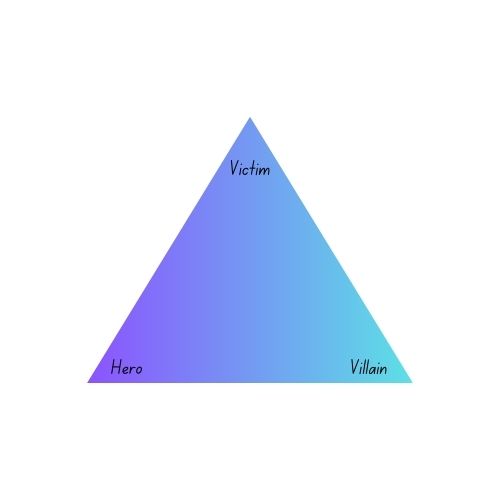
- Victim: We feel powerless and blame others or our circumstances for our pain.
- Rescuer/Hero: We try to save others or expect someone else to save us, which avoids personal responsibility.
- Persecutor/Villain: We blame or criticize others for our suffering, creating a cycle of resentment and frustration.
Does this sound familiar? It’s easy to fall into these roles, but they keep us stuck in a loop of helplessness and blame. The Victim role feels particularly seductive when life gets hard. I know this firsthand—I used to wait for someone to come along and “fix” things for me. But that waiting never brought me closer to healing.
Take a moment to reflect: Have you ever found yourself in one of these roles? Maybe you’ve expected someone else to “rescue” you from your problems. How has that worked out? Often, the longer we stay in the Drama Triangle, the more frustrated we become.
Breaking Free: Stepping Into the Role of Creator
When we accept the truth that no one is coming to save us, we realize something powerful: we have the ability to save ourselves. This shift from being a Victim to becoming a Creator of our lives is where healing begins.
I remember a time in my life when I was stuck in the Victim role. After an injury altered my career path, I felt lost and hopeless, constantly waiting for someone or something to pull me out of the situation. But it wasn’t until I accepted that I was the only one who could change my story that I began to heal. By shifting my mindset, I found a new passion in healthcare administration, and my life became more prosperous because of that decision.
“Trauma victims cannot recover until they become familiar with and befriend the sensations in their bodies.”– Dr. Bessel van der Kolk.
Key Takeaways for Taking Responsibility
Ready to step out of the Drama Triangle and into a place of empowerment? Here are some practical steps to guide you along the way:
- Recognize the patterns: Become aware of when you’re slipping into the roles of Victim, Rescuer, or Persecutor. Awareness is the first step toward breaking the cycle.
- Shift your focus from problems to solutions: Instead of focusing on what’s wrong, ask yourself, “What can I do to change my situation?” A solution-based mindset empowers you to take action.
- Accept that healing is your responsibility: No one can do your inner work. Once you acknowledge this, you reclaim control over your healing journey.
- Set small, actionable goals: Start with simple steps, like journaling your emotions, seeking support from a therapist, or practising self-compassion. Progress happens in small, consistent actions.
- Surround yourself with supportive people: While no one can save you, having a community that encourages and uplifts you is essential. Find people who support your growth, not those who keep you stuck.
Shifting Your Mindset: From Victim to Empowered Creator
Moving from Victim to Creator doesn’t happen overnight. It’s a process that requires self-awareness and intentional action. But every step forward is a step toward freedom.
As Viktor Frankl, a Holocaust survivor and psychologist, famously said, “When we are no longer able to change a situation, we are challenged to change ourselves.” This insight is a powerful reminder that even when our external circumstances feel out of control, we still hold the power to change how we respond.
Taking Ownership: The Path to Healing
When we stop waiting for someone to save us, we unlock the power to save ourselves. Healing doesn’t come from outside sources—it comes from within. Whether you’re healing from trauma, recovering from loss, or working through pain, the journey begins with your decision to take responsibility for your life.
Here are some additional expert insights to keep in mind:
- Dr. Gabor Maté, an expert in trauma, teaches that healing requires us to confront and take responsibility for the emotions we’ve been avoiding. He says, “The essence of trauma is disconnection from ourselves.” Healing is reconnecting with our inner world and taking responsibility for how we move forward.
- Brene Brown, in her research on vulnerability and courage, reminds us that “Owning our story can be hard but not nearly as difficult as spending our lives running from it.” Taking responsibility for our healing means owning our story, no matter how difficult it might be.
How to Reclaim Your Power
To help guide you on this journey, here are some concrete steps you can start taking today:
- Identify where you are in the Drama Triangle: Reflect on whether you’re playing the role of Victim, Rescuer, or Persecutor and how these roles might keep you stuck.
- Shift from Victim to Creator: Begin to see yourself as the Creator of your own life. This shift can start with small actions—take responsibility for responding to challenges.
- Create a plan for healing: Outline specific steps you can take to start healing. Whether seeking therapy, practising mindfulness, or confronting past emotions, make a plan and stick to it.
- Surround yourself with positive influences: Seek out people who empower you rather than those who reinforce the roles of the Drama Triangle. Your environment can have a huge impact on your growth.
- Celebrate progress, not perfection: Healing isn’t linear. There will be ups and downs, but every step forward is progress. Celebrate your wins, no matter how small.
Specific Resources for Healing and Empowerment
If you’re looking for additional support as you navigate your healing journey, here are some excellent resources:
- The Body Keeps the Score by Dr. Bessel van der Kolk: This book offers a deep dive into understanding trauma and how it affects both the body and mind.
- When the Body Says No: The Cost of Hidden Stress by Dr. Gabor Maté: In this book, Maté explores the connection between trauma, stress, and physical health and offers tools for recovery.
- Rising Strong by Brene Brown: Brown’s work on vulnerability and resilience provides powerful insights into owning our story and finding strength through struggle.
- Man’s Search for Meaning by Viktor Frankl: This classic book highlights the power of finding meaning and purpose even in the most challenging circumstances.
- Healing Is a Choice by Stephen Arterburn: Arterburn offers practical steps for breaking free from the patterns that keep us from healing, emphasizing the power of personal responsibility.
You Are Your Own Hero
The reality that no one is coming to save you can feel overwhelming, but it’s also incredibly freeing. When you accept this truth, you reclaim your power to create your own life. Stepping out of the Drama Triangle and into the role of Creator is the key to your healing journey.
Now, I leave you with this: What’s one small step you can take today to move from Victim to Creator? Share your thoughts and experiences in the comments—I’d love to hear how you’re reclaiming your power and stepping into your role as the hero of your own story.
Until next time,
Abby




 Authentically Abby